10 Groundbreaking TV Episodes That Quietly Reshaped Pop Culture

Television Moments That Changed the Rules
For decades, television has not just reflected cultural tides — it’s stirred them. Some of the most transformative moments happened right on our screens, from science-fiction bridges to real-life debates on social issues. Yet, many of these pivotal TV episodes slide under the pop radar, their influence echoing long after the closing credits.
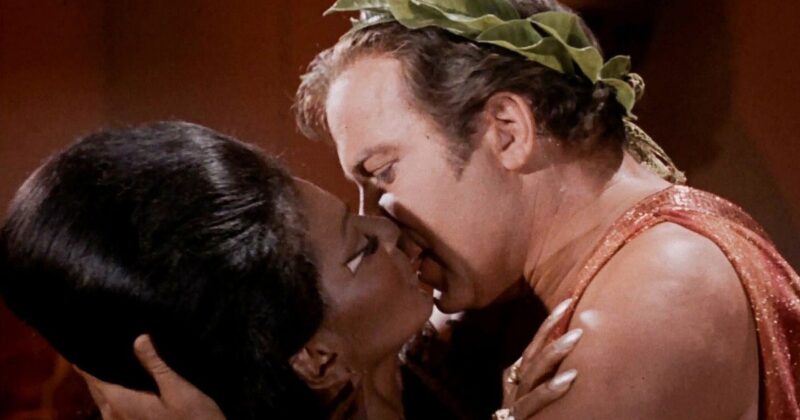
Star Trek’s ‘Plato’s Stepchildren’: The Kiss Seen Around the World
Star Trek’s reputation for pushing boundaries is well-deserved, but in the episode ‘Plato’s Stepchildren,’ it catapulted social progress by featuring one of the first interracial kisses on American television. While the full episode isn’t always counted among the series’ best, the courage of depicting Captain Kirk and Uhura’s kiss during an era fraught with racial divisions redefined mainstream media and helped normalize inclusivity onscreen. Star Trek’s progressive casting and storytelling made a statement: space — and TV — should belong to everyone.
Maude’s Dilemma: Bringing Taboo Topics Home
From the bold mind behind Maude came an episode that directly tackled abortion — years before any legal consensus existed. The show’s lead, played by Bea Arthur, faces a monumental personal decision. It sparked protests and forced TV affiliates to make hard choices themselves: to air or not to air. Still, it opened up honest dialogue in millions of living rooms about bodily autonomy, delivering social commentary through sharp, sometimes uncomfortable, comedy.
The Fugitive’s Grand Finale: Ending TV Like Never Before
In the era of abrupt cancellations, The Fugitive delivered the first true series finale, giving viewers resolution as Dr. Kimble confronted the infamous one-armed man. This milestone set the expectation that long-running TV tales deserved real conclusions, paving the way for momentous send-offs like M*A*S*H and game-changing endings later seen in Breaking Bad and beyond.
M*A*S*H Drops the Laugh Track: A New Sitcom Blueprint
The third season episode ‘O.R.’ broke ranks with sitcom tradition. No laugh track. That creative gamble exposed the drama and humanity beneath the jokes, letting serious moments breathe while redefining the rhythms of televised comedy. This single stylistic choice influenced how future sitcoms would approach humor and narrative tension, especially in shows willing to blur comedy and drama.
Ellen’s ‘Puppy Episode’: Out and Proud in Prime Time
When Ellen DeGeneres and her character both revealed their identities as lesbian on national television, the impact reverberated far beyond entertainment headlines. Risking career and ratings, this milestone episode confronted industry taboos head-on, becoming a breakthrough for LGBTQ+ representation and conversations around visibility on screen. While the show faced backlash and was ultimately canceled, the doors it opened for future representation are undeniable.
Adventures of Superman: Inventing the Cliffhanger
What would TV be without that jolt of suspense that keeps audiences coming back week after week? The season one finale of Adventures of Superman introduced viewers to the two-part saga, laying the groundwork for the cliffhanger as essential television grammar — a format now synonymous with drama and superhero shows alike.
All in the Family’s ‘Sammy’s Visit’: Comedy Collides with Reality
Few sitcoms tackled politics as bravely as All in the Family, and ‘Sammy’s Visit’ set an emotional standard. When legendary entertainer Sammy Davis Jr. shares an unexpected kiss with the show’s cantankerous patriarch Archie Bunker, it forced a direct, comedic confrontation with racial prejudices. The episode’s frank dialogue and uncomfortable laughs helped push network boundaries, making audiences truly “see” each other with unflinching honesty.
The Sopranos’ ‘College’: The Rise of the Antihero
With The Sopranos, television explored the darkness within its protagonists. In just its fifth episode, viewers witnessed Tony Soprano commit murder — a shocking move that shattered the mold of the loveable lead. The success of Tony paved the way for a roster of nuanced antiheroes: Walter White, Tommy Shelby, and Omar Little, reshaping the criteria for TV’s most compelling characters.
I Love Lucy: Redefining What Women Could Do on TV
If there’s a sitcom that changed the comedy landscape, it’s I Love Lucy. The episode ‘Lucy Is Enceinte’ dared to broach the subject of pregnancy when the word itself couldn’t be uttered onscreen due to old broadcast standards. Lucille Ball’s comedic genius and insistence on authenticity led to groundbreaking moments for television’s portrayal of women, family, and live performance, proving sitcoms could blend everyday truths with laughter in ways never before witnessed.
These episodes, scattered across genres and decades, set new standards, challenged norms, and made TV a true engine for cultural evolution. Whether breaking racial barriers, upending sitcom tradition, or propelling representation to the forefront, their legacies live on in every bold show that dares to follow.