7 Outstanding Manga That Anime May Never Touch: A Deep Dive
Manga Masterpieces Unlikely to Ever Be Animated
Each year, new manga series rise to fame and swiftly find their way onto screens everywhere. For many titles, an anime adaptation is not just a possibility—it’s almost a guarantee, opening the doors to global audiences and cross-media success. Yet, there exists a rare tier of manga that, despite critical acclaim and die-hard fanbases, are eternally out of reach for anime studios. These works remain beloved in panel form, their stories and aesthetics resisting the leap to animation for reasons both technical and thematic.
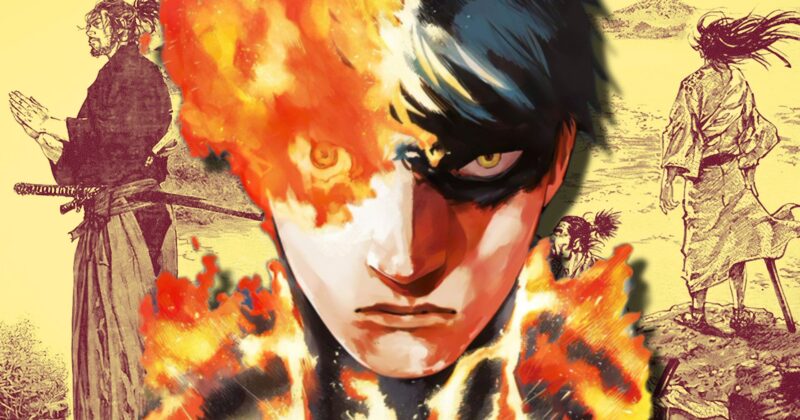
Fire Punch
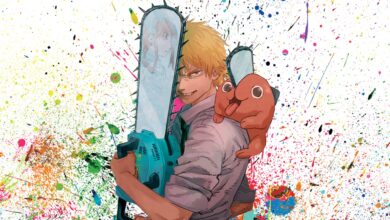
Tatsuki Fujimoto exploded into prominence with works like Chainsaw Man, but his earlier saga, Fire Punch, stands apart as a seamless example of why some tales are best left on the printed page. This dark fantasy thrusts readers into a harsh, post-apocalyptic world where Agni, the fire-imbued protagonist, burns unceasingly. Beyond mature content that would challenge even late-night broadcasters, the technical barriers are formidable; animating a hero perpetually engulfed in flames would challenge even the likes of MAPPA. Fire Punch’s relentless visuals and tone make it a daunting prospect for adaptation.
Vagabond
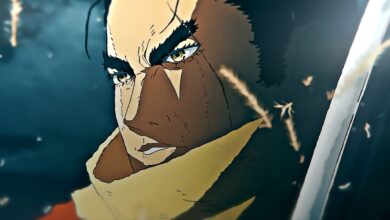
Artistry defines Takehiko Inoue’s Vagabond, a sweeping samurai epic evoking the turbulent life of Miyamoto Musashi. Renowned for its breathtaking attention to detail—each brush stroke feels alive—the manga sets an intimidating standard. The barrier here isn’t violence or subject matter, but rather the impossibility of preserving Inoue’s iconic art in motion. While anime studios have advanced tremendously, no animation has yet matched the emotional resonance and period atmosphere that Inoue delivers on paper.
Berserk
Berserk by Kentaro Miura occupies near mythic status among manga fans. While fragments—most notably the Golden Age arc—have been adapted, attempts to bring later volumes to life have faltered. The 2016 adaptation, in particular, drew intense backlash for its stiff animation and failure to capture the saga’s visceral, intricate artwork. The shadow cast by Berserk’s tragic, relentless tale and Miura’s legendary draftsmanship continues to deter studios from tackling the full series. Despite fan petitions, a faithful, comprehensive adaptation remains elusive.
Blood on the Tracks
Shuzo Oshimi is known for psychological horror that lingers long after the final page. Blood on the Tracks sinks into the chilling dynamics of familial abuse, with artwork that warps faces and settings into pure unease. Oshimi uses page turns as jump scares—an effect deeply rooted in manga’s physical format. Attempts to adapt his earlier work, The Flowers of Evil, only underscored how divisive and complex his vision can be in animation. For Blood on the Tracks, the haunting nuances seem destined to remain an experience reserved for manga readers alone.
Goodnight Punpun
Perhaps one of the most emotionally demanding titles in the medium, Inio Asano’s Goodnight Punpun encapsulates the beauty and terror of a coming-of-age crisis. Its playful, abstract style initially draws in the reader, but the raw descent into darkness is memorable for the courage required to read through its devastating scenes. The sheer complexity of Asano’s panels and the concentrated anguish at his story’s core make adaptation a monumental challenge—one the anime industry has not yet dared to face.
Goodbye, Eri
Goodbye, Eri represents another triumph for Tatsuki Fujimoto, blurring the boundary between manga and cinema through its unique use of camera perspective. However, what makes this story so compelling—the way it manipulates the reader’s viewpoint—proves nearly impossible to translate to television or film. Unlike straightforward cinematic stories, Goodbye, Eri uses the manga format itself as a tool for immersion, creating an experience tailor-made for readers, not viewers.
Why Some Manga Are Best Left Unanimated
There’s an artistry to manga that thrives on subtlety, imagination, and the constraints of its own medium. For some titles, adaptation would mean sacrificing the very qualities that made them masterpieces. Whether it’s the intense detail of the illustrations, narrative structures built for page turns, or themes so complex they would be dulled by censorship or visual simplification, these manga have found their perfect form—and it’s not on the small screen.