DC Revives a Fan-Favorite Superman Era: Jon Kent’s Childhood Returns to Comics Canon

Superman’s Lore Reboot: The Return of a Lost Era
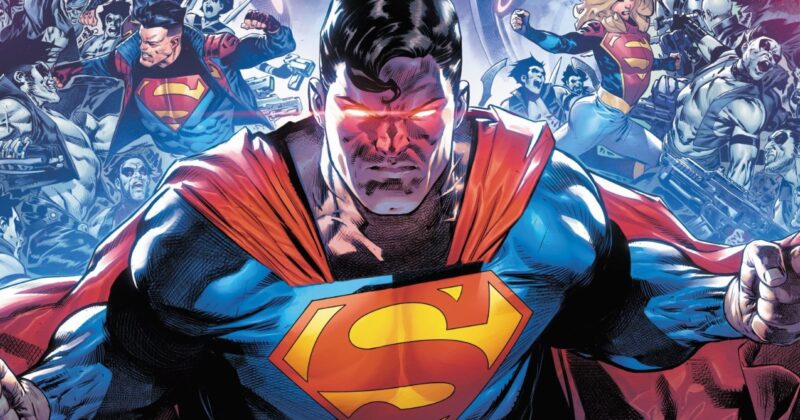
In a move that’s electrified both comics fandom and pop culture discourse, DC has rolled back one of its most divisive narrative decisions of recent years. After a long chapter where Jon Kent — son of Clark Kent and Lois Lane — was abruptly aged up, robbing fans of one of the most beloved team-ups in modern comic history, the publisher has orchestrated a truly clever retcon. The result: the return of young Jon Kent to the core DC timeline, opening the door for a new era nostalgic of the famed Super Sons adventures.
Why the Super Sons Meant So Much
The partnership between Jon Kent (Superboy) and Damian Wayne (Robin), both heirs to their respective superhero legends, struck a perfect balance of heroics and youthful chaos. Their dynamic was a breath of fresh air for long-time readers and new fans alike, combining friendship, rivalry, and the high-octane stakes unique to legacy characters. The chemistry was so palpable that the Super Sons era became a standout, celebrated for its optimism, humor, and its surprisingly insightful exploration of family legacy in the DC Universe.
The Controversial Aging of Jon Kent
However, that joyful chapter abruptly ended when Jon Kent was kidnapped and aged up during a story arc involving the villain Ultraman. The once-eager kid was thrust into adulthood, skipping years of potential stories and changing the entire foundation of his character. This creative decision alienated many readers, leaving a void for those who had grown attached to Jon as a child and to the camaraderie he shared with Damian.
A Brilliant Time-Bending Retcon
Enter Superman Unlimited #11, where the retcon unfolds with narrative flair. As Jon, now an adult and donning the new identity of Tomorrow Man, faces the fourth-dimensional adversary Master Txyz, comic fans are given a wild twist: the fabric of time is torn open, producing a version of young Jon Kent who escapes his traumatic fate. Thanks to the story’s temporal antics, this youthful Jon never endures the hardships inflicted by Ultraman — and just like that, the Super Sons era has an opening to return to ongoing DC continuity.
Crucially, this solution does not erase everything that has come before. Instead, both the adult Jon (Tomorrow Man) and his child counterpart now coexist in the same universe. This unprecedented duality means fans get both the matured, battle-tested Jon and the exuberant kid who captured their hearts.
The Impact for Superman and Beyond
This development is more than a fun twist. Within the world-building of DC, it resolves years of heated debates about legacy, character trajectory, and the risks of dramatic time skips. It’s a rare instance where a publisher acknowledges the desires of its audience and integrates them into a complex narrative structure — all while preserving hard-won character development.
The return of young Jon Kent also hints at the potential for Super Sons relaunches, animated adaptations, or tie-in media, which have become central to DC’s transmedia strategy in recent years. While no official announcement has detailed these plans yet, history shows that publishing moves like this often ripple out into toys, games, and streaming platforms hungry for fresh superhero content with cross-generational appeal.
What’s Next for Jon Kent and the Super-Family
The coexistence of both versions of Jon Kent brings renewed creative possibilities. The older Jon can carve out his own mythos as Tomorrow Man, distinct from his father’s shadow. Meanwhile, young Jon’s presence can reinvigorate friendships, team-ups, and the kind of storytelling only possible when childhood innocence collides with world-saving pressure.
This recalibration of Superman’s mythos is not only a win for longtime readers but also a strategic move for new fans seeking entry points into the DC Universe. Whether on the comics page, animated series, or digital platforms, Jon Kent’s dual timeline opens the doors for endless storytelling potential — and with it, the hope and fun that defined the Super Sons era.