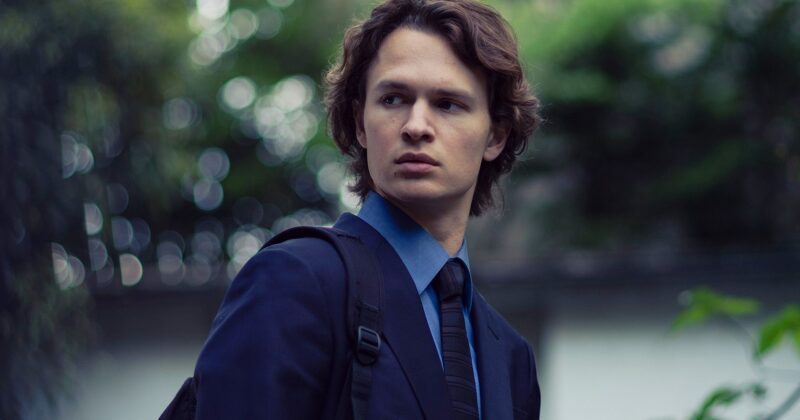
The Lost Potential of Tokyo Vice: A Thriller Drenched in Authenticity
There are few crime thrillers in recent memory that have managed to capture the electric atmosphere of a sprawling metropolis while weaving a narrative as intricate as the labyrinthine streets themselves. Tokyo Vice, an original produced for HBO Max, emerged as a noir-infused odyssey through the underbelly of Tokyo, achieving a level of immersion and authenticity that set it apart from conventional Western dramas.
A Gamble That Paid Off—Until It Didn’t
One of the most striking choices by the creative team behind Tokyo Vice was to shoot entirely on location in Tokyo. While this decision inflated production costs, the payoff was a series that felt genuinely rooted in Japanese culture—rain-slicked alleys, neon-lit rooftops, and all. It’s an authenticity that propels the show far above the studio-bound limits of many of its peers, drawing viewers into a world where every detail pulsates with dramatic tension.
Based on the memoir of American journalist Jake Adelstein, brilliantly portrayed by Ansel Elgort, the show starts with familiar territory: the outsider eager to reveal the city’s darkest secrets. Jake’s journey as a reporter infiltrating the crime beat of a prestigious Japanese newspaper quickly morphs into a broader gangster epic. By its second season, the narrative shifts, turning Jake into more of an observer as the real story unfurls around the power struggles between rival yakuza factions.
From Promising Beginning to Unmatched Sophomore Surge
The series debuted with critical acclaim, earning a Certified Fresh rating from critics—a rare feat for a new streaming series. While Jake’s outsider perspective initially anchored the story, the stakes rose dramatically during the second season. The turf war between yakuza clans became the focal point, entrenching the show in themes of loyalty, betrayal, and the seductive pull of power. Emerging villains and morally grey anti-heroes turned the narrative into something reminiscent of classics like The Wire and Gomorrah, but delivered with a unique Japanese edge.
Fans and critics alike were taken aback by the leap in quality. The second season didn’t just expand the story—it elevated the show, shining with a 94% score on major review aggregators. The cast’s chemistry, especially between Ken Watanabe’s world-weary detective and Rachel Keller’s magnetic hostess, brought another layer of complexity, inviting the audience deeper into this maze of honor and danger.
Why Streaming’s Ruthlessness Cut Tokyo Vice Short
Despite all the ingredients of a signature crime series—gripping character arcs, a meticulously constructed world, and profound thematic undercurrents—the new era of streaming can be coldly pragmatic. Algorithms and instant viewership metrics now dictate a show’s fate far more swiftly than in the bygone era of network television.
Tokyo Vice was never guaranteed a future beyond each season, which created a palpable tension even behind the camera. The show concluded its second outing with a sense of closure, yet a wealth of story potential remained untapped—particularly in dissecting the ever-evolving dynamics of the yakuza, a subject rarely explored with this kind of nuance for Western audiences.
The Legacy and Lasting Impact of Tokyo Vice
Even as its run was cut short, Tokyo Vice stands as an unmissable entry in the modern TV crime canon. Its commitment to authenticity, willingness to shift narrative focus, and skillful performances make it an essential watch for anyone seeking more from their thrillers than just surface-level excitement. For those who value richly drawn worlds and slow-burning tension, this series offers a glimpse of what could have been—and a reminder that some TV masterpieces only find their audience after the final credits roll.