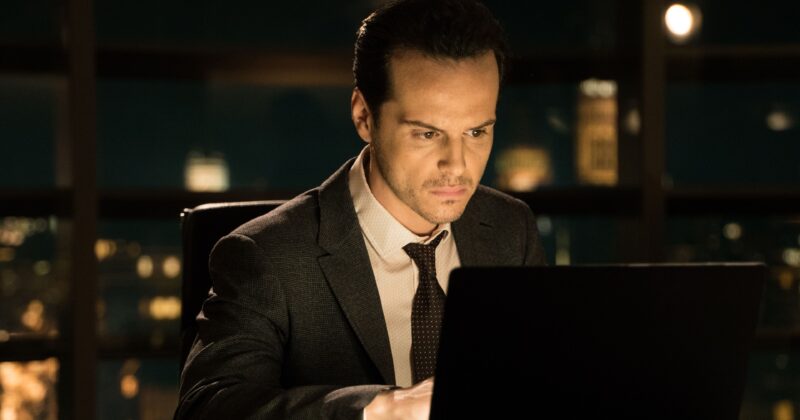
How Netflix’s ‘Ripley’ Became the Psychological Thriller Benchmark No One Expected

The Evolution of Psychological Thrillers on Netflix
Psychological thrillers have long been a terrain where Netflix takes creative risks—and, more often than not, reaps massive success. The genre’s unpredictable, cerebral drama makes it ideal for bingeable streaming, with titles like You and surprise record-breakers such as His & Hers generating huge global interest. But for every genre-defining hit, there are icons lost too soon. Mindhunter is a bitter memory for many, demonstrating Netflix’s complicated history curating compelling, dark psychological storytelling.
Why ‘Ripley’ Surprised Everyone
When Ripley debuted, it wasn’t just an adaptation; it was a resurrection of Patricia Highsmith’s classic antihero—one made infamous by both the literary world and the unforgettable film led by Matt Damon, Jude Law, and Gwyneth Paltrow. For a new miniseries to dare to tread that same story arc, and do so in striking black and white, was a creative gamble. The show’s expanded format allowed for a deeper psychological excavation of Tom Ripley’s motives, obsession, and amorality. This slow-burn approach, coupled with Andrew Scott’s mesmerizing take on the title character, transformed Ripley into more than a retelling. It became a psychological puzzle unlike any other on the platform.
Andrew Scott’s Riveting Performance
Scott’s Ripley isn’t a mere echo of Damon’s portrayal or the source novel. Instead, his intense vulnerability, layered menace, and whispered charisma provide viewers with a new window into Highsmith’s infamous con artist. Every episode leans into the tension of whether Ripley will finally face exposure, playing expertly with audience sympathy and suspicion. It’s a balancing act that very few thrillers achieve, fueling endless discussion about the nature of evil, morality, and self-preservation.
‘Ripley’ as a Standalone Triumph
The miniseries reaches its apex with an ending that’s masterfully orchestrated. Rather than resorting to melodrama or leaving loose ends, the final moments center on the inspector’s too-late realization of Ripley’s true identity. The cat-and-mouse tension peaks, but the audience knows the protagonist has slipped away into obscurity, leaving viewers both satisfied and disturbed. This creative choice aligns closely with Highsmith’s original vision, where ambiguity and uncertainty are essential to the experience.
Why Season 2 Was Never Meant to Be
Despite several sequels penned by Highsmith—spanning Ripley Under Ground, Ripley’s Game, and more—the unique power of the Netflix adaptation lies in its self-contained structure. Later Ripley novels lose some of the original’s psychological volatility. Once viewers accept that Ripley is unlikely to face justice, the threat of real consequence fades. The magnetic horror Scott brings to the role is rooted in that imminent risk, making a single, perfect season not just sufficient but ideal.
The Legacy of ‘Ripley’: A New Benchmark for Adaptations
True fans of thrillers will appreciate how Ripley stands apart from the standard formula. It resists the urge for endless continuation in favor of a perfectly executed one-off, cementing itself as a reference point for any series daring enough to delve into darkness without overstaying its welcome. For those craving more, there’s always the original novels or classic adaptations, but the Scott-led iteration deserves its place in the spotlight as an exemplar of how to make old stories feel new—and necessary. For viewers hungry for more, Netflix’s dynamic catalog of mind-bending thrillers continues to evolve, promising fresh obsessions on the streaming horizon.