Finn Wolfhard Reinvents Himself in a Fearlessly Hilarious Comedy: Crash Land
Finn Wolfhard’s Daring Leap Beyond Stranger Things
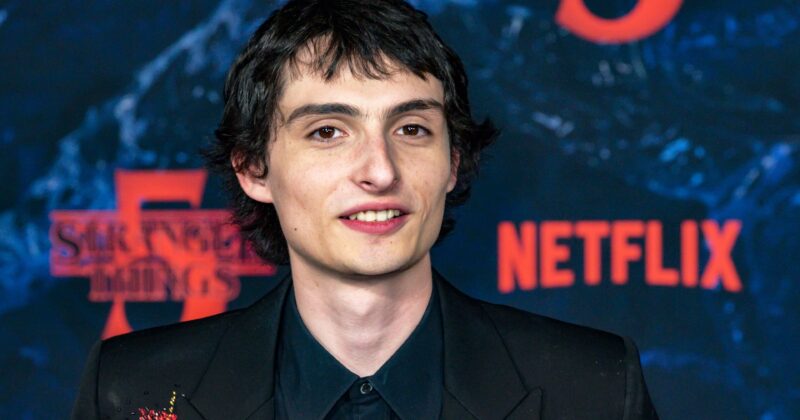
In the world of streaming and blockbuster sagas, Finn Wolfhard has spent most of his teen years as a representative of supernatural, coming-of-age drama. Now, with Crash Land, he makes an audacious leap into raw, energetic comedy—breaking away from the familiar territory of Stranger Things’ eerie small town. This film, creatively helmed by Dempsey Bryk, explores the chaos and vulnerability of adolescence through a trio of misfit friends hellbent on making their mark in small-town Canada.
From Small Town Stunts to Indie Cinema Glory
Crash Land centers on Lance, Clay, and Darby—local legends mostly known for their questionable stunts and low-fi pranks, reminiscent of Jackass or cult Canadian series The Trailer Park Boys. Tired of being local jokes, they embark on a mission to create a real movie—a move that forces each to confront personal insecurities, shifting friendships, and the looming specter of adulthood.
Wolfhard’s character, Sander, is the group’s cameraman; he’s described as that ‘magical friend’ who relates to everyone yet struggles to define his role. Unlike the earnest, nerdy types Wolfhard’s known for—whether it’s Mike in Stranger Things, Richie in IT, or Trevor in Ghostbusters: Afterlife—Sander is both observer and outlier, emotionally unmoored and wide-eyed amidst the chaos. Wolfhard himself likens the shift to ‘jumping off a cliff,’ signaling a moment when artists reinvent themselves in front of their fans’ eyes.
A Cast Forged by Friendship and Absurdity
Dempsey Bryk draws inspiration directly from pandemic-induced Jackass binges, tapping into that unpredictable blend of slapstick, mischief, and genuine heart. The cast is a potent mix: Gabriel LaBelle delivers the relentless, loyalty-driven Lance with comedic bravado while flexing his love for heavy Canadian accents; Noah Parker gives Clay hidden emotional depth, wrestling with questions about his life’s trajectory; Abby Quinn (the lone non-Canadian) captures Jemma’s sheltered isolation and newfound courage—complete with a surprisingly authentic Quebecois accent.
Billy Bryk, as Darby, channels a reflective member of the crew, confronting both physical dares and existential uncertainty. The script’s open-ended approach—leaving much of the characters’ past a mystery—lets the cast inhabit their roles organically, rooted in the real camaraderie and chaos among them.
Stunt Work: The Magic Behind the Pain
Despite the film’s devotion to over-the-top antics, director Dempsey Bryk exercised extreme caution: the cast wasn’t allowed to perform their own stunts. Instead, a team of expert stunt performers brought the most jaw-dropping sequences to life, from daredevil car hits to gymnastic flips that border on Cirque du Soleil athleticism. Not only does this heighten the authenticity, but it also lets the film maintain its raw, unfiltered edge without risking the safety of its core ensemble.
Wolfhard and the cast share genuine awe for their stunt doubles—particularly Jesse, a French Canadian powerhouse who became an on-set legend for his ability to absorb punishment in stride. The cast recounts moments where Jesse would improvise mid-flight, calculating rotations mid-air and landing with a finesse that somehow made brutal comedy look almost balletic.
Crash Land: Where Chaotic Humor Meets Unexpected Heart
What sets Crash Land apart isn’t just its gonzo energy or ragtag cast, but the blend of crude humor and real emotional stakes. Each failed prank or reckless challenge peels back another layer of adolescent bravado, revealing a core of vulnerability and authenticity. For Wolfhard, this isn’t just a genre exercise—it’s a statement about growth, the messiness of self-discovery, and what it means to create something meaningful in the age of viral fame.
Crash Land officially premiered at SXSW to critical acclaim, signaling a new creative chapter for Wolfhard and the team. It’s a film that dares both its characters and cast to embrace risks and redefine their limits—on camera and off.