Peaky Blinders: The Immortal Man – Everything You Need to Know About Tommy Shelby’s Cinematic Comeback

The Return of Tommy Shelby: Not Just Nostalgia
Peaky Blinders: The Immortal Man isn’t content to simply pick up where the iconic series left off. Fans looking for a comforting dose of Garrison pub smoke and razor-sharp drama will get that familiar flavor – but the core of this new chapter dives much deeper, exploring Tommy Shelby’s evolution in a world forever changed.
Setting the Stage After Chaos
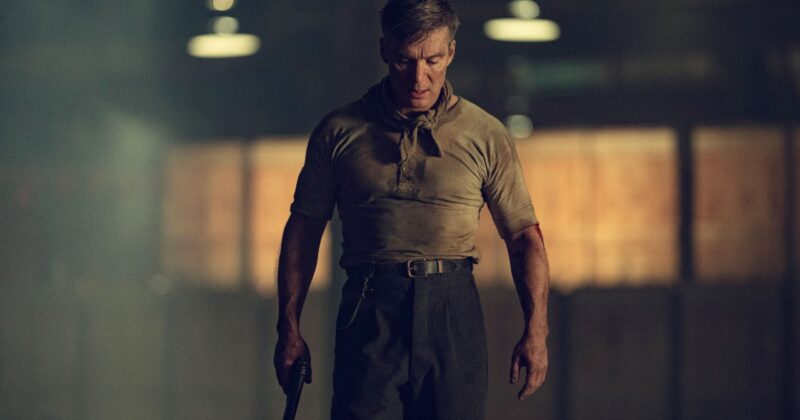
More than a simple sequel, Peaky Blinders: The Immortal Man propels the timeline forward several years after the explosive end of season 6. Cillian Murphy dons Tommy’s razor-edged cap once again, but this time, the character faces not just familial wounds, but the psychological cost of years spent in isolation. The film’s opening paints a portrait of a man aged by distance and haunted by his legacy—a far cry from the cold tactician known and feared in Birmingham’s underworld.
A New Conflict Ignites
The narrative unfolds with Tommy drawn unwillingly back into action, catalyzed by fresh global tensions and the dangers swirling around counterfeit money. These high-stakes complications aren’t just window dressing; they serve as the fuse reigniting the Shelby fire, forcing Tommy’s hand in a way that’s both inevitable and emotionally raw.
Dysfunctional Family Dynamics at the Heart
What fans will discover isn’t a recycled story arc or a fan-service parade of old set pieces. The emotional tentpole is now the fractured relationship between Tommy and his estranged son, Duke (powerfully portrayed by Barry Keoghan). Tommy’s exit from his son’s life, and the scars of that abandonment, come to a head with a turbulent reunion—one that unfolds with physical and emotional violence in an unexpectedly primal setting. This is familial dysfunction at its most raw and cinematic, far surpassing typical crime drama dynamics.
Strong Performances and Aged Complexity
Cillian Murphy brings a new intensity to Tommy, shaped by the passage of time on and off screen. Not only has Murphy’s career soared to new heights in recent years, but the character himself has gained layers of vulnerability and self-doubt. Barry Keoghan’s unpredictable energy infuses Duke with real menace and charisma; their first showdown crackles with long-simmering resentment and volatility. This is not the Tommy Shelby of old, and fans can expect the performances to match the momentous weight of their reunion.
Creative Vision Restored: Director’s Insight
The cinematic touch comes courtesy of director Tom Harper, returning to helm the film after helping establish the original series’s tone in its earliest days. Harper’s familiarity with Cillian Murphy and the world of Peaky Blinders translates into a smooth creative rhythm on set. He cites Murphy’s personal and professional growth as adding new layers to Tommy’s presence, describing the experience as stepping back into a family—one that’s matured, scarred, but unmistakably connected by shared history.
Building Towards a Broader World
While The Immortal Man acts as the conclusive chapter in Tommy Shelby’s saga, it also uncorks a new phase for the franchise. A sequel series is already in the works, set to expand the story universe deeper into the lives of the Shelby family and the world they’ve shaped from the ashes of post-war Britain. The film’s construction, guided by creator Steven Knight, deliberately withholds Tommy’s comeback, building a suspenseful arc that echoes classic Western motifs—the reluctant gunslinger forced to strap on his holsters one last time for reasons bigger than himself or personal glory.
What Awaits Viewers?
Expect a film less focused on revisiting past glories and more invested in facing the unforgiving consequences of time—on Tommy Shelby and everyone caught within his orbit. The spotlight may be on familiar faces, but the world of Peaky Blinders is different now: darker, more complex, and brimming with fresh threats and opportunities. The highly-anticipated release marks not only a return but also a fierce reinvention—one that treats its legacy, and its audience, with the respect earned by years of relentless storytelling.