Disney’s Star Wars Era: A Coherent, Expansive Canon
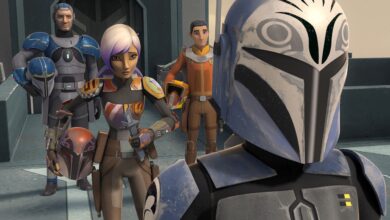
When Disney acquired Lucasfilm, it marked more than a change in ownership; it was a turning point for the Star Wars franchise. Previously, keeping track of what counted as canon was a challenge for even the most devoted fans. The original six films, the animated Star Wars: The Clone Wars, and a maze of novels, comics, and games known as the Expanded Universe (EU) often contradicted one another. Lucas himself only selectively honored the EU, with major narrative threads—like Boba Fett’s backstory—being altered or ignored as new movies came out. Disney’s bold move in designating most previous material as ‘Legends’ gave Star Wars a clean slate. Now, everything from films and live-action series to new books, comics, and official games produced since the Disney acquisition is woven into a single, official timeline. This clarity has not only helped maintain narrative consistency, but also opened doors for seamless character crossovers, such as the transition of the beloved crew from Star Wars Rebels into the live-action universe of The Mandalorian and Ahsoka. While minor retcons still happen—as with Ahsoka Tano’s post-Order 66 story—the overall canon is tighter and more interconnected than ever.
A More Diverse Galaxy Than Ever Before
The original trilogy broke new ground in visual storytelling, but diversity was never its strong suit. Princess Leia was iconic but virtually alone as a female lead, and Lando Calrissian’s debut marked the first significant speaking role for a non-white character. Contemporary Star Wars, in contrast, showcases a far more inclusive cast across every medium. Actors like Daisy Ridley (Rey), John Boyega (Finn), Oscar Isaac (Poe Dameron), and a host of others from various backgrounds take center stage. Disney has also boosted visibility for POC and LGBTQ+ representation, with initiatives like Star Wars: The High Republic leading the charge in publishing. While there’s always more ground to cover—like the critique that Finn and Poe were underutilized after strong introductions—it’s an ongoing journey toward deeper and richer representation.
Animation Thrives Under Disney’s Vision
George Lucas always had faith in the power of animation, launching the saga’s legacy with projects from Boba Fett’s early appearances to the beloved The Clone Wars series. Disney, however, has elevated animated Star Wars storytelling. The groundbreaking Star Wars Rebels became the springboard for countless connections with live-action series, influencing hits like The Mandalorian and Andor. Moreover, Disney has been unafraid to experiment: Star Wars: Visions brings a global flair, inviting acclaimed anime studios to reimagine galaxy-defining stories, while The Bad Batch dives into intimate character studies and explores previously overlooked corners of the universe. Meanwhile, series like Star Wars: Resistance and upcoming projects such as Star Wars: Maul — Shadow Lord keep pushing the boundaries of style and narrative, making animation a vital pillar of the modern franchise.
Seamless Storytelling Across Media
One of Disney’s standout achievements is how characters and plotlines now regularly leap between comics, novels, video games, and screen—all inside official canon. The tight integration seen between Star Wars: Rebels, The Mandalorian, and even upcoming shows has allowed for a narrative depth that was previously unattainable. Fans follow Din Djarin and Grogu from the small screen to blockbuster events, with their journey echoing across multiple platforms and storylines.
The New Standard: What This Means for Fans
For long-time followers and new fans alike, the Disney era’s biggest gift may be accessibility and vibrancy. The interconnected canon means stories count everywhere, and modern sensibilities—from diverse casting to bold experiments in animation—ensure Star Wars continues to thrive, push boundaries, and inspire the next generation.