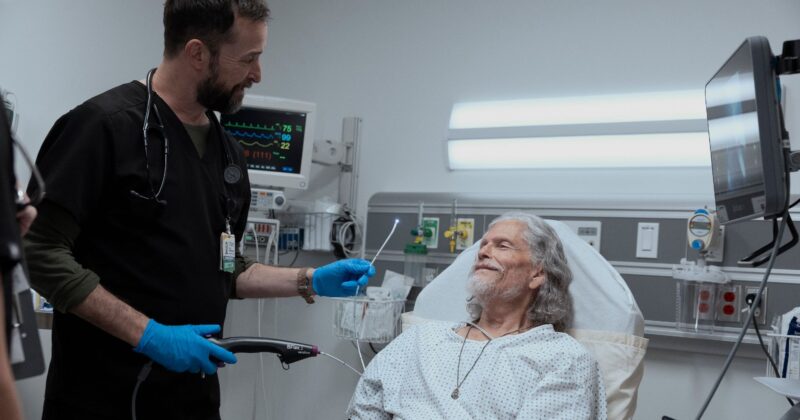
Why Dana from The Pitt Sets a New Standard for Realism in Medical Dramas

The Most Authentically Drawn Character in Modern Medical Drama
It’s rare for a character in a medical drama to earn genuine praise from professionals in the field, but Dana, the charge nurse from The Pitt, has managed exactly that. Physician Dr. David Shapiro, an experienced real-world surgeon, recently highlighted Dana as the most lifelike depiction of an ER nurse on screen. He notes that ‘she is it’, and underlines that her mannerisms, decisions, and temperament are simply spot-on—not just for television, but for reality. For anyone who wants insight into what nursing on the front lines is truly like, watching how Dana takes ownership of chaos in the trauma center is as close as you’ll get without scrubs and a badge.
Dana’s Impact: Accountability, Compassion, and Grit
From the outset, Dana has functioned as the backbone of The Pitt’s hospital setting. While other doctors may dazzle with heroics, it’s her grounded approach that anchors the team. After being assaulted by a patient in season 1, Dana’s on-screen evolution in season 2 is palpable—she emerges tougher, yet her mentorship of young nurses like Emma Nolan reveals a nuanced layer of empathy. She’s protective of her charges but never sugarcoats the difficulties of ER work, echoing the real struggles faced by nurses in high-pressure environments.
Dr. Shapiro’s admiration isn’t just anecdotal; he cites numerous real-life nurses who match Dana’s blend of toughness and compassion. In his words, ‘if anyone else says that she’s not being realistic, you tell them I said, «Do go pound sand,» because that is the world.’ It’s a blunt but telling endorsement, and one that repositions media portrayals of nurses as deserving of central, layered storylines—rather than being relegated to the sidelines.
Katherine LaNasa’s Award-Winning Performance
None of this realism would resonate if it weren’t for Katherine LaNasa’s outstanding performance in the role. She navigates high drama without ever tipping into melodrama, winning major accolades including the Critics’ Choice Television Award and an Emmy. There’s a rhythmic authenticity to her scenes—one moment stern and procedural, the next quietly supporting a traumatized intern—that feels ripped straight from experience rather than imagination.
LaNasa’s ability to deliver authority without arrogance, and authority with vulnerability when needed, is a technical highlight that stands out even among other acclaimed TV performances this year. It’s no surprise that her work continues receiving critical attention as the show’s second season unfolds.
A Benchmark for True-To-Life Characters in Medical TV
The Pitt sets itself apart from many of its predecessors through a commitment to realism in both plot and characterization. Dana, in particular, is written and performed with an attention to detail that reflects the actual dynamics of a trauma center. Her role involves securing order in the midst of chaos, managing both patients and medical staff, and delivering tough love when the situation demands it. Nurses watching the series can see their profession represented honestly, showing the emotional and physical tolls that are too often minimized in pop culture portrayals.
The show’s continued success—already greenlit for a third season—suggests audiences and experts are hungry for this kind of authenticity. As the new season progresses, viewers can expect Dana to remain a dynamic centerpiece, her character adapting to new challenges and deeper ethical dilemmas while keeping the ER running—even when the world outside is more unpredictable than ever. The result is a portrayal that raises the bar for how TV can honor those who keep hospitals functioning in the most intense circumstances.