Drama, Reality TV & Scandal: Taylor Frankie Paul’s Canceled Bachelorette Season Rocks the Internet

Inside the Unraveling of Taylor Frankie Paul’s Unseen Bachelorette Season
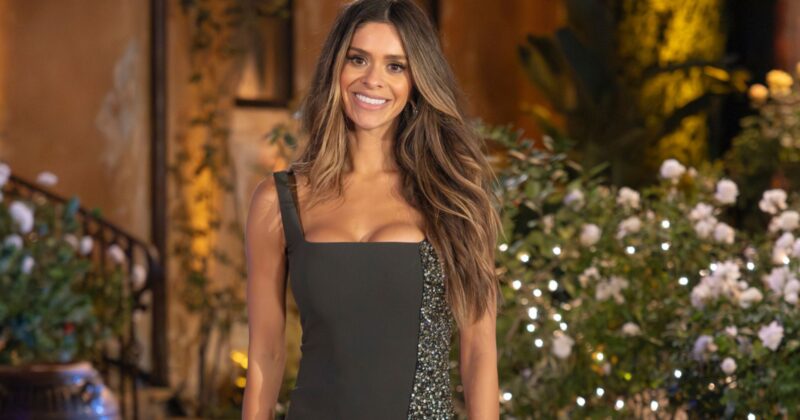
Taylor Frankie Paul, whose name sky-rocketed on TikTok as part of the MomTok collective, has once again been thrust into the spotlight—this time for a season of The Bachelorette that will never air. Known for her candid online presence and charismatic style, Taylor became a central topic in the reality TV and social influencer world after her dramatic revelations about relationships and unconventional family choices sent shockwaves across social media.
The Origins: MomTok, Scandal, and Viral Fame
Paul’s meteoric rise wasn’t only about viral dances or parenting tips. She was at the heart of MomTok—a group of Mormon moms who built a digital brand, generating both support and controversy. The story escalated when Taylor openly discussed being part of the swinger lifestyle with her ex-husband and other members of her community. This unexpected honesty led to surging online followings, but also to the creation of the headline-making Hulu reality series, The Secret Lives of Mormon Wives.
Support Amidst Fallout: The Voice of Doug Mason
When ABC chose Taylor as the star for a new season of The Bachelorette, fans anticipated a groundbreaking chapter for the franchise. However, the project was abruptly canceled following allegations of past relationship abuse and the surfacing of a troubling video from her time with ex-partner Dakota Mortensen. In the midst of chaos and criticism, Doug Mason, widely speculated to be the season’s winner, shared a message of support on Instagram: ‘In light of everything that’s happened, I’m just sending out prayers to Taylor because that was her moment and her moment was blocked. All we can do right now is be hopeful.’
The Controversy: Allegations, Legal Battles, and Network Response
The now-infamous video, which circulated heavily online, captured a distressed Taylor and an altercation involving Mortensen, escalating the discourse around safety, accountability, and network responsibility in reality television. ABC released a public statement, announcing the decision to cancel the season following the video’s release and highlighting their priority in supporting the family affected.
Shortly after, additional legal challenges arose: Mortensen filed a restraining order against Taylor after a new incident, while her former husband, Tate Paul, was also reportedly involved in protective order filings. Taylor’s representative responded with a statement focused on her gratitude towards ABC for their past support and emphasizing her intent to protect her family and address the accusations while advocating for women facing abuse from ex-partners.
Reality TV in Turmoil: The Future of Unscripted Drama
The drama surrounding Taylor extends beyond her own narrative. Production of the next installment of The Secret Lives of Mormon Wives has been paused amid the ongoing disputes—a rare move in a genre that often thrives on personal conflict. On-screen, Taylor’s struggles with her ex and the subsequent opinions of her friends and family have become a focal point for fans dissecting where reality ends and real life begins.
For ABC, the cancellation brings potential financial and reputational impact, disrupting one of reality TV’s longest-running formats. Industry insiders speculate this could signal a new era for network reality programming, where off-screen controversies are scrutinized as much as the manufactured storylines viewers see each week.
Pop Culture Echoes: Why the Story Resonates
The saga is more than tabloid fodder; it reflects a cultural shift in how personal experiences, social media narratives, and television intersect in 2026. With outspoken cast members like Taylor, reality TV no longer simply reflects the surface of American life—it amplifies, magnifies, and at times, ignites real-world consequences for those in its gaze.
For those hooked on the intersection of social apps, celebrity, and reality drama, this story is a defining moment—one where public support, production pressure, and viral controversy collide in real time, making headlines in both digital pop culture and the serious ongoing conversation around representation, accountability, and personal truth.