Why Orange Is the New Black Remains a Streaming Landmark Now

Orange Is the New Black: A Game-Changer in Streaming Storytelling
When streaming first started to threaten the cable TV model, Orange Is the New Black didn’t just ride the streaming wave—it helped create it. Premiering as Netflix pivoted from DVD rental to digital dominance, the series arrived as one of the first binge-worthy, character-driven dramedies in the streaming era. Unlike previous TV depictions of prison, this show blended raw realism with humanity, humor with heartbreak, all while introducing audiences to a richly diverse cast of characters who felt authentic and relatable.
A New Kind of Prison Drama
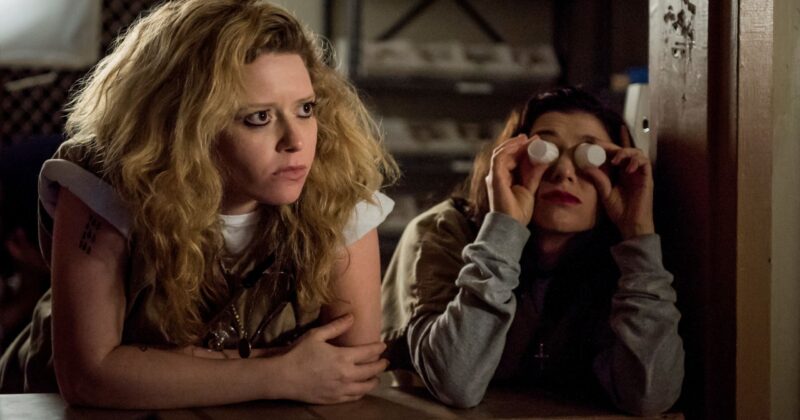
Before this series, shows set in prison typically leaned hard into brutality or shock value. Orange Is the New Black took a dramatically different path. Rather than focusing only on violence and survival, it highlighted small victories and the everyday struggles of the inmates at Litchfield. The characters weren’t just archetypes or plot devices—they were multidimensional, filled with stories, regrets, hopes, and quirks. The system itself became the antagonist, exposing deep-seated societal failings and institutional bias through the everyday lives of its ensemble.
Serial Storytelling for the Modern Era
While shows like Oz paved the way for mature, gritty content on cable, Orange Is the New Black merged cable-style authenticity with an approach reminiscent of network-era ensemble hits. Its narrative format, often non-linear and packed with flashbacks, invited viewers to piece together how each character ended up behind bars, echoing some of the best ensemble dramas while pushing boundaries that network TV could never cross. The streaming advantage meant that all episodes dropped at once, allowing for immersive binging and deep audience connection—something that’s now the norm for many original series.
Few shows can claim as much influence in shaping audience habits; the phrase ‘Netflix and chill’ became a staple in global pop culture, in part thanks to this show’s addictive pacing and layered narratives.
Relevance That Only Deepens With Time
Orange Is the New Black doesn’t just stand as a relic of streaming’s early innovation—it feels even more urgent today. Its candid look at prison life, institutional racism, and the flawed justice system remains searingly relevant. Incidents within the series—particularly those dealing with peaceful protest and systemic violence—now resonate with a world more attuned than ever to social justice issues.
Major performances still echo years later. Stars like Natasha Lyonne, Samira Wiley, and Uzo Aduba delivered nuanced portrayals that brought new depth to their characters, elevating the show’s emotional stakes. The journey of these actresses, who have since become major forces in Hollywood, reflects just how significant this show remains in today’s entertainment landscape.
Technical Innovation and Its Legacy
From a technical standpoint, Orange Is the New Black combined the best aspects of serialized drama and streaming-first creativity. Its extended ensemble, unpredictable structure, and dedication to backstory gave it a richness most shows still struggle to achieve. Later seasons may have veered into darker territory, but the core of the series—empathetic storytelling and systemic critique—remains as powerful as ever. For viewers seeking shows with substance, impact, and an ongoing resonance with the challenges of contemporary society, this series stands unrivaled among streaming originals.