The Comeback Season 3: Valerie Cherish Shines in a Sharp Satirical Triumph

The Evolution of Valerie Cherish: A Complex Portrait Beyond Comedy
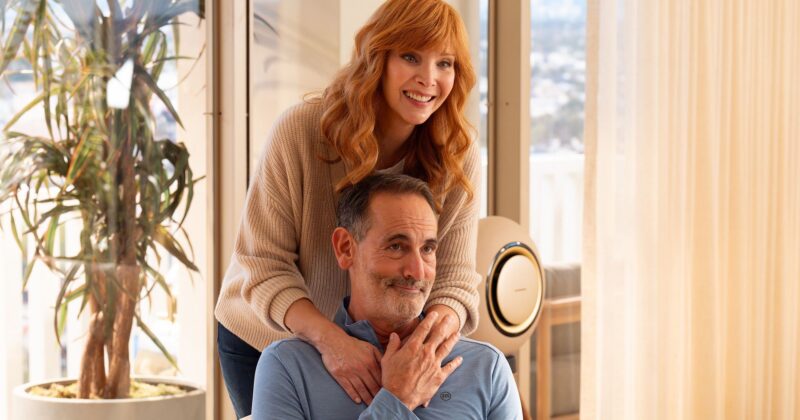
Lisa Kudrow’s Valerie Cherish returns to the spotlight as The Comeback debuts its much-anticipated third season, delivering some of the most daring and emotionally resonant storytelling seen on premium television. Audiences have journeyed with Valerie since her initial bid for fame, witnessing her transformation through the reality TV craze and the relentless churn of Hollywood trends. In this latest chapter, Valerie is not simply playing catch up; she’s navigating a labyrinth of cultural, personal, and technological challenges that cut deep into the fabric of contemporary fame.
Mockumentary Reinvented: Bold Format Choices Enhance Authenticity
Long-time fans will remember the dizzyingly raw, found-footage style that defined the show’s early days—an aesthetic that has matured alongside Valerie’s own narrative arc. The third season masterfully balances this original mockumentary format with more polished, single-camera sequences. This hybrid approach doesn’t just serve up nostalgia; it enables a more immersive, nuanced look at Valerie’s world, allowing viewers to experience both her public persona and private struggles.
Valerie’s World Upside Down: Embracing Uncertainty and Change
In this season, Valerie faces a landscape shaped by AI, social media, and shifting industry power dynamics. From her hesitant encounter with an AI-driven executive (brought to life with unsettling charm by Andrew Scott) to the trials of recalibrating her career with the help of a blunt Gen-Z social media manager (Ella Stiller), each storyline reflects the collisions and confusions of modern stardom. Kudrow’s performance is richly layered, oscillating between comedic ignorance and heartfelt sincerity as Valerie clings to agency amid an industry intent on commodifying everything—even her vulnerabilities.
Relevance and Relatability: Valerie’s Bittersweet Battle
Where previous seasons explored the bittersweet humor of being out-of-step with the times, this new season forces Valerie to confront just how rapidly those times change. Her attempts to masquerade failed Broadway dreams as strategic career moves during the wave of entertainment industry strikes show not only her adaptability but the poignant self-deceptions that fame often demands. These moments are meticulously constructed, capturing the pathos and absurdity of chasing validation in a digital era that remembers everything, but rewards very little.
Legacy and Loss: The Absence of Micky Deane
The heart of The Comeback has always been Valerie’s relationships—as much with her loving but exasperated husband Mark Berman (Damian Young) as with her best friend and confidant Micky Deane (the late Robert Michael Morris). Season three addresses Micky’s absence with authentic sorrow, reflecting on how loss reframes both personal legacy and professional ambition. Rather than melodrama, the series opts for subtle acknowledgments, further humanizing Valerie and deepening the emotional investment for long-time viewers.
Satire at Its Sharpest
What truly sets this season apart is its fearless satire. The writers are acutely conscious of the real-world intrusions of AI, influencer culture, and the desperate chase for virality. Valerie’s run-ins with industry trends—be it being courted for AI-driven projects or adjusting to the high-stakes, fast-moving world of social media «collabs»—are handled with clever wit and disarming vulnerability. This duality elevates the series, inviting both laughter and empathy as Valerie’s journey continues to mirror, and often critique, the spectacle of celebrity in 2026.
Unmissable Television for a New Media Era
The Comeback season three is not just a return to form; it’s an evolution. Through expertly balanced direction, flawless performances, and themes that resonate far beyond the screen, the show deftly explores what it means to stay relevant—and stay real—in an age where the definition of authenticity is constantly being rewritten. For fans of sharp TV satire and complex, culture-defining performances, Valerie Cherish’s latest chapter is more than a comeback: it’s a revelation.