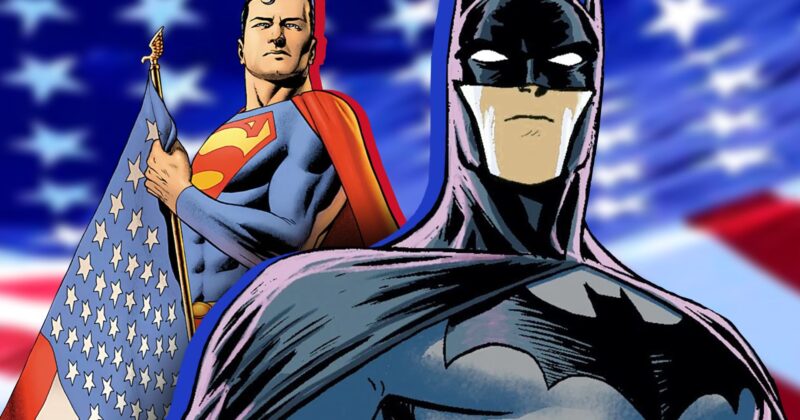
DC Heroes and Their Political Beliefs: A Deep Dive Into Superhero Ballots

How DC Comics Made Superhero Politics Canon
Comic books notoriously echo the world around us—war, peace, identity, justice—but few moments have been as audacious as DC Comics making the political leanings of its biggest heroes official canon. In a unique four-issue arc titled DC Universe: Decisions, writers from across the political spectrum joined forces to put Justice League members on the spot as potential assassins stalked presidential candidates. The story cleverly used a mix of real-life parallels and superhero psychology, revealing not just action, but also the values that shape each character’s world view.
Democrats and Republicans Among DC’s Greatest
Fans have long speculated on whether Batman, Superman, or Wonder Woman would vote blue or red, but this saga provided unapologetic answers through candid endorsements from icons like Green Arrow, Hawkman, and Firestorm. Whether through deep-rooted convictions or spur-of-the-moment decisions, these choices add a fascinating layer to already complex personas.
Green Arrow—The Prototypical Hero of Progressivism
Oliver Queen (Green Arrow) leads the charge for liberal values, unapologetically supporting a Democratic candidate focused on tackling poverty and healthcare. Ollie’s voice in the story isn’t just about policy; it’s about the conviction that heroes should advocate for the vulnerable. This stance pulls other Justice League members into the public debate—never a dull moment when Queen is on stage.
Hawkman, Guy Gardner & the Call for Tradition
Contrast this with Carter Hall (Hawkman), famously rooted in tradition and order, who aligns himself with a hardline Republican approach prioritizing national defense. Similarly, Guy Gardner, always ready to wade into conflict, unsurprisingly backs the candidate with the strongest military credentials. These endorsements aren’t just political; they reflect each hero’s deepest motivations—their philosophies mirrored in their voting preferences.
Youthful Ideals: Beast Boy and Blue Beetle
There’s a youth perspective too—Beast Boy, the heart of the Teen Titans, supports a Democrat (albeit somewhat naively) while Jaime Reyes (Blue Beetle) comes across as a single-issue voter, rallying behind a universal healthcare advocate. It’s a nod to how emerging generations often seek solutions to immediate, tangible problems, even if they’re still figuring out the bigger picture.
Boxers, Jokers & Business Titans
Ted Grant (Wildcat), a legend of the Justice Society, opts for toughness and discipline—his words: ‘We need tough S.O.B.s,’ echoing old-school grit. Plastic Man, meanwhile, votes with less seriousness, focusing on a candidate’s looks. Mari McCabe (Vixen), as a self-made mogul, identifies with a candidate whose moderate Republican policies and pro-business stance reflect her own arc from model to powerhouse. Every endorsement here is loaded with subtext directly tied to their comic book roots.
The High Stakes of Batman’s Ballot
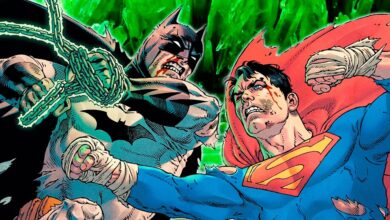
Perhaps the story’s most talked-about moment is Bruce Wayne (Batman) quietly endorsing a moderate Democrat. As a billionaire orphan, Batman’s interest in societal structure is complex. He is depicted acting sincerely, choosing a candidate with international experience and composure. Fans might debate whether Bruce is acting out of conviction or strategy—but the narrative shows him weighing in because he believes it’s the right thing for Gotham and beyond.
Warriors, Ambassadors, and the Complexities of Wonder Woman
Diana of Themyscira (Wonder Woman) delivers perhaps the biggest twist. Renowned for her unwavering commitment to diplomacy and peace, Diana nevertheless supports the candidate with military gravitas. This period in comics highlighted Diana’s willingness to make hard choices for the greater good—even endorsing candidates that might surprise longtime fans. However, as an ambassador, she can’t actually cast a vote, reflecting the nuanced boundaries between power and participation in both politics and storytelling.
The Living Pulse of Superhero Allegiances
This rare moment in comics where capes collide with civic duty transforms justice from a personal crusade into a public responsibility. The result is not just a page out of history, but a case study in how pop culture figures both influence and reflect real-world debates. As the political climate evolves in 2026, it remains a fascinating question whether the allegiances of these heroes would still hold true today—or if new writers, new threats, and new causes would shake up the superhero ballot box all over again.