The Rise of a Cinematic Icon: V for Vendetta’s Unique Vision
Before superhero films settled into their familiar rhythms, V for Vendetta redefined what a comic book adaptation could accomplish. Helmed by James McTeigue and penned for the screen by the Wachowski siblings fresh off their work on The Matrix, the film pushed the boundaries of the genre. While Hollywood tentpoles oscillated between wry meta-commentary and gritty realism, V for Vendetta dared to be something different—a film that wielded the superhero aesthetic to tackle political philosophy, state power, and questions of resistance.
How V for Vendetta Stood Apart in a Flooded Market
James McTeigue, reflecting today on the film’s legacy, is candid about what he and his collaborators set out to achieve. ‘We treated it as a serious adaptation,’ he explained, pushing for an authenticity rooted in both narrative complexity and character psychology. This was not just a paint-by-numbers comic adaption—it was, in McTeigue’s own words, an anti-superhero movie. Every decision, from the haunting atmospheric shots to the careful adaptation of Alan Moore and David Lloyd’s source material, was aimed at keeping the film honest and intense without becoming a scene-for-scene retelling.
Tapping Into Pop Culture and Collective Anxiety
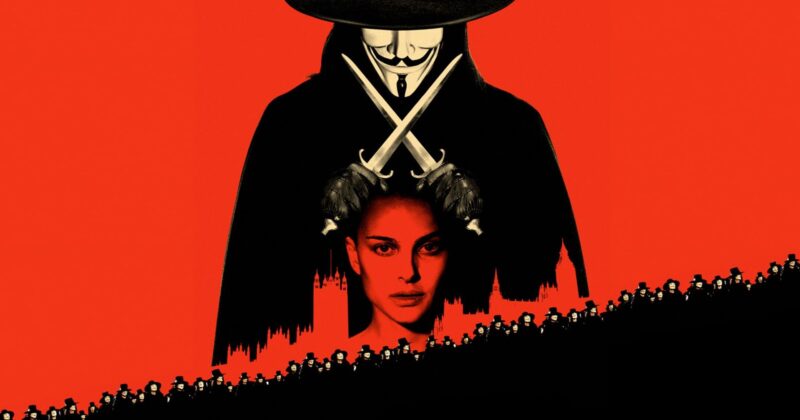
Much of the film’s lasting power comes from its willingness to grapple with moral ambiguity. At the heart of the story is a subversive question: what defines a terrorist, and what defines a freedom fighter? Is V a villain, or the ignition spark for a battered populace? The answer, McTeigue insists, lies not in easy absolutes but in the film’s refusal to look away from uncomfortable truths. Audiences related to Natalie Portman’s vulnerable but resilient Evey Hammond, effectively drawing them into the central ethical crisis—an approach rare in an era where heroes are often sanitized for mass appeal.
Cinema’s tradition of exploring the meaning of justice and rebellion goes back to the earliest days of the superhero genre, but V for Vendetta stands out for the rawness and immediacy with which it presents its world: one rooted in fear, surveillance, and desperate hope. The resonance continues in today’s political climate, amplifying its relevance and confirming its place in pop culture’s hall of influence.
The Eighteen-Year Journey From Page to Screen
The tale’s genesis is nearly as dramatic as the film itself. Alan Moore and David Lloyd began their dystopian vision in the British comics anthology Warrior in the early 1980s. A publishing hiatus nearly left the story unfinished, until DC Comics stepped in, collecting the existing chapters and bringing the saga to its full conclusion a few years later. Hollywood took notice almost immediately. Joel Silver, legendary producer of action classics, acquired the rights and commissioned several attempts at adaptation—each failing to strike the required tone, until the Wachowskis and McTeigue entered the picture.
After multiple screenplay drafts and a crucial recasting—Hugo Weaving ultimately donning the mask of V—the project surged to life. Natalie Portman’s profound transformation into Evey, complete with the now-iconic dramatic haircut, became emblematic of the film’s commitment to emotional truth. Upon release, the film was met with critical and audience acclaim, but its most astonishing impact arrived in the real world, as the Guy Fawkes mask crossed from screen to street and digital activism.
Legacy Beyond Celluloid: Revolution in Pop Culture
The Guy Fawkes mask has transcended the boundaries of fiction. Adopted by groups like Anonymous and seen in protest movements around the globe, it is an unmistakable symbol of resistance against oppression—a mark not only of the film’s cultural imprint but also its ability to make abstract ideas visible and actionable for millions.
Unlike other entries in the superhero canon, V for Vendetta does not offer easy answers. Its blend of dynamic action, visual style reminiscent of The Matrix, and intellectual engagement ensures that it remains a point of reference for those seeking to understand the political potential of speculative fiction. Whether you connect with V’s anarchic rhetoric or Evey’s journey toward self-empowerment, the film remains current: continually prompting new generations to challenge old assumptions using fresh, cinematic language. In today’s ever-shifting media landscape, its anti-superhero stance sheds fresh light on how pop culture can reframe our view of the world—and ourselves.