Young Sherlock: A Fresh Spin for a Classic Detective
Guy Ritchie’s return to the world of Sherlock Holmes has sparked a new wave of excitement—but this time, not at the cinema. Instead, the acclaimed director turns to the small screen with Young Sherlock, a Prime Video original series that’s quickly capturing the attention of fans both old and new. The show isn’t just another rehash of Doyle’s icon; it’s a bold reimagining that digs into territory neither the classic books nor previous movies explored in depth.
From Blockbuster Films to Streaming Triumph
Not many directors get to reinvent a character multiple times, but Ritchie’s relationship with Sherlock Holmes has evolved over the years. His original films redefined Holmes (memorably played by Robert Downey Jr.) as an action hero, blending period intrigue with blockbuster brawls. Though visually rich and wildly entertaining, those movies placed as much—or more—emphasis on spectacle as on detective work. The much-anticipated third film remains stuck in development limbo, tangled in scheduling conflicts and shifting production priorities. In this vacuum, Young Sherlock arrives as a timely—and arguably superior—alternative, showcasing what Ritchie does best: energetic storytelling fused with stylish flair.
An Origin Story That Adds Depth and Darkness
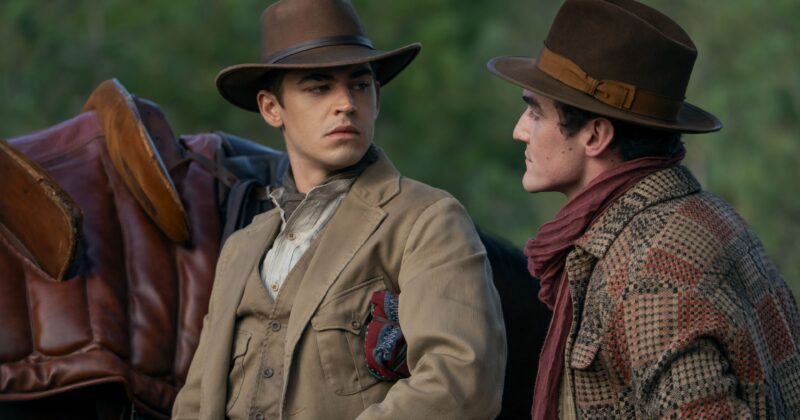
The premise of Young Sherlock is as enticing as any fan could hope for. Instead of an established sleuth, viewers meet a 19-year-old Sherlock (brilliantly portrayed by Hero Fiennes Tiffin), just out of prison for pickpocketing. His placement at Oxford as a scout plunges him into an academic world full of intrigue and potential peril. One of the series’ most inspired choices is pairing Sherlock with a young James Moriarty (Dónal Finn), turning future archnemeses into reluctant allies faced with a murder conspiracy.
This dynamic is a centerpiece of the season, delivering high-stakes drama, sharp dialogue, and a surprising level of vulnerability from both characters. By diving into Sherlock’s trauma, guilt, and the shadow of his sister’s tragic fate, the show grants depth to a detective often depicted as invulnerable. These emotional layers, largely absent from Ritchie’s films, put the focus back on characterization over pure adrenaline—a decision that resonates with longtime fans of the original novels.
Faithful, Yet Fearless in Its Adaptation
While the series draws core inspiration from Andrew Lane’s book series, it shakes off the constraints of simple adaptation. Young Sherlock is more faithful to Conan Doyle’s vision than Ritchie’s movies ever were, yet it’s unafraid to introduce compelling original elements—such as Sherlock’s family backstory. The show strips away the superhero trappings and allows Sherlock to be deeply human: brilliant, but fallible; intuitive, but not yet invincible; and forced to learn not just deduction, but combat—from none other than Moriarty himself.
This commitment to the character’s evolution brings Young Sherlock closer to the spirit of Doyle, focusing on development, morality, and the building blocks of genius rather than just the fireworks of action. It’s a rare prequel that honors its legacy without falling into the trap of explaining every detail, ensuring the mythos remains strong for both new audiences and Holmes aficionados alike.
The Future of Sherlock Holmes, Redefined
As speculation about the dormant third film continues, it’s clear that the future of Holmes under Ritchie’s direction is brighter—and more relevant—on streaming platforms. Young Sherlock takes risks and carves its own path, blending traditional mystery and modern storytelling innovations. The first season lays the groundwork for future installments, especially with the inevitable transformation of Moriarty into Sherlock’s most formidable foe. With its chart-topping success on Prime Video, renewal seems only a matter of time.
For fans eager for a new detective obsession, Young Sherlock is a triumphant and worthy successor not only to the books but to Ritchie’s own cinematic legacy. It is an invitation to rediscover Holmes all over again—this time, with more nuance, danger, and heart than ever before.