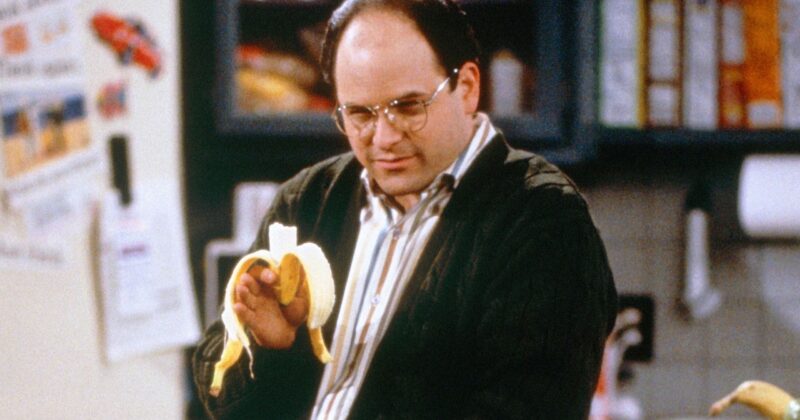
Why Seinfeld’s ‘The Contest’ Changed TV Comedy Forever (And Why It Wouldn’t Air Today)

The Brilliant Madness of ‘The Contest’
Over the years, Seinfeld has produced countless iconic moments, but one episode routinely rises to the top of fan and critic rankings: ‘The Contest.’ This particular chapter stands as a watershed moment in television history, blending razor-sharp wit, bold social commentary, and pitch-perfect ensemble chemistry. The setup is notoriously simple yet daring—four friends, George, Jerry, Elaine, and Kramer, make a bet to see who can abstain from a certain intimate act the longest. What unfolds is an exercise in restraint, comedy, and the art of suggestion.
A Network Sitcom That Shattered Taboos
What set ‘The Contest’ apart even at the time was not just its writing but its audacity. Network comedies historically danced around adult topics, but here, entire comedic arcs were built around the mere implication of something previously off-limits for prime time. Controversial as it sounds, the characters on Seinfeld never actually utter the word ‘masturbation.’ Instead, the episode crafts a hilarious and inventive lexicon—»master of my domain» has since entered the cultural zeitgeist.
- Estelle Costanza’s hilarious emergence as George’s mother added a new flavor to the mix, cementing secondary characters as key elements in the show’s lasting legacy.
- Parallel storylines for all four leads intersect seamlessly, reflecting exactly why Seinfeld is so often considered a blueprint for modern sitcoms.
Direct references, subtle callbacks, and clever workarounds built an episode that remains fresh and relatable—despite being a product of its era.
Why Modern TV Couldn’t Repeat This Magic
The brilliance of ‘The Contest’ lies not in shock value, but in how it dances around its central subject with verbal gymnastics and visual restraint. Fast forward to today’s streaming-first TV landscape, and it’s clear the environment has changed completely. Contemporary hits like Big Mouth, South Park, Euphoria, and Sex Education openly address topics once considered taboo—even for cable, let alone broadcast television. In this landscape, building a story around not saying a word might seem oddly prudish or out of step, rather than ground-breaking.
Back when ‘The Contest’ first aired, its impact was seismic. The notion that mainstream sitcom writing could center on such real, human subjects—while remaining uproariously funny and relatively inoffensive—was novel. Today, the edge has shifted. Series now approach adult themes with a directness that would have been unthinkable on network primetime, sometimes at the expense of the subtlety and inventiveness that defined older classics.
The Legacy Lives On
Despite the altered landscape of TV comedy, ‘The Contest’ remains a touchstone for writers and creators. Its influence can be spotted in the structure and sensibility of countless modern comedies. The episode’s ability to generate laughs—without relying on crude language or explicit scenes—demonstrates just how creative boundaries can challenge writers to deliver brilliance. Larry David took home an Emmy for the feat, and the show’s director, Tom Cherones, also received critical accolades for steering an ensemble cast through such tricky material.
For fans new and old, this is the episode that captures Seinfeld at its most fearless and innovative. It’s the perfect example to show first-timers what set the series apart—and why, even in an environment where «anything goes,» some comedic risks remain impossible to replicate.