A New Titan Rises in the Manga World
For years, Jujutsu Kaisen has been regarded as one of the pillars of modern shōnen, with its gripping supernatural battles and chilling artwork setting a high standard for the genre. Despite the manga’s main story having wrapped up, the franchise continued to dominate sales rankings thanks to spin-offs and a loyal global fanbase. But the winds of change are blowing across the manga landscape, and a new contender—Gachiakuta—is proving impossible to ignore.
Gachiakuta: The Dystopian Breakout Hit
Emerging almost from the shadows, Gachiakuta has surged up the ranks of U.S. graphic novel bestseller lists, clinching the coveted top spot and shuffling even Jujutsu Kaisen’s latest volumes to second place. What’s remarkable is that Jujutsu Kaisen hasn’t lost its popularity; instead, the genre has simply become more diverse with reader attention pivoting toward fresher, grittier narratives. The charts tell a story of rivalry, not replacement, with both Gachiakuta and Jujutsu Kaisen occupying multiple high-ranking slots, side by side with titles like JoJo’s Bizarre Adventure and Demon Slayer.
The Anime Catalyst: How Streaming Powers Manga Sales
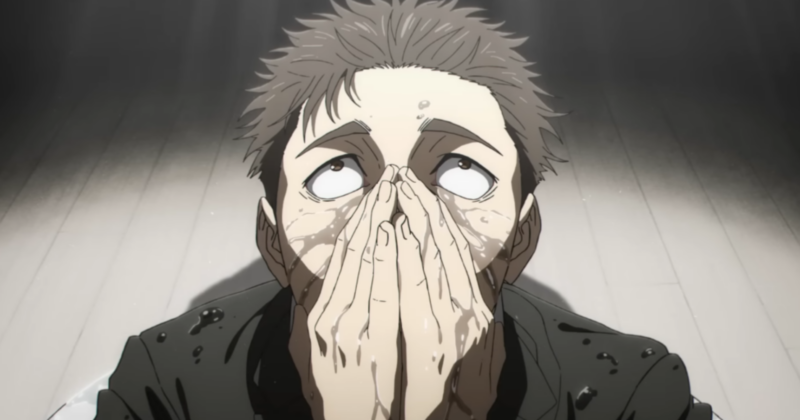
The meteoric rise of Gachiakuta owes much to the explosive debut of its anime adaptation, which premiered exclusively on streaming platforms. This adaptation, renowned for its dark world-building and haunting visual palette, has driven droves of new fans directly to the manga. The synergistic relationship between anime and manga is well-known within the industry, but Gachiakuta’s case showcases the rapid speed at which strong animation can turn an under-the-radar series into a commercial juggernaut.
Meanwhile, with Jujutsu Kaisen’s main story having reached its conclusion, the series currently lacks the cliffhangers and week-to-week suspense that fueled its most viral era. Ongoing spin-offs like Jujutsu Kaisen Modulo offer more for devoted fans, but they haven’t yet replicated the urgency and buzz surrounding a brand-new adaptation. The timing of Gachiakuta’s anime launch and its immediate impact on charts is a playbook example of how modern manga franchises can ignite sales through multimedia strategy.
Gachiakuta’s Appeal: Darker Themes for a New Generation
The heart of Gachiakuta’s allure lies in its narrative: a society fractured by inequality, survival, and a protagonist forced into desperate conflict as an outcast. Gachiakuta’s tone is more unyielding, grounded, and at times brutal compared to most battle shōnen. As audiences mature or seek stories that mirror harsher realities, this shift to gritty, emotionally charged storytelling becomes magnetic.
Protagonist Rudo’s journey, marked by struggle and ostracism, offers a rawness that contrasts with the more systematic progression and magic hierarchy systems in Jujutsu Kaisen. Readers looking for a different emotional experience are gravitating toward Gachiakuta’s dystopian edge. This is part of a broader trend in manga where series with darker themes and social commentary are gaining significant traction, mirroring shifts seen in other pop culture realms from TV drama to blockbuster cinema.
The Volatile World of Manga Rankings
At the top of the U.S. graphic novel charts, the current snapshot captures an industry in evolution:
- #1 Gachiakuta Vol. 1 by Kei Urana (Kodansha)
- #2 Jujutsu Kaisen Vol. 28 by Gege Akutami (VIZ Media)
- #3 Jujutsu Kaisen Vol. 1 by Gege Akutami (VIZ Media)
- #4 JoJo’s Bizarre Adventure: Steel Ball Run Vol. 5 by Hirohiko Araki (VIZ Media)
- #5 The Summer Hikaru Died Vol. 1 by Mokumokuren (Yen Press)
Further down, franchises like Solo Leveling and Demon Slayer continue their reign, but the spotlight firmly rests on the Gachiakuta-Jujutsu Kaisen rivalry. Both titles are set to shape the tastes and expectations of shōnen fans well into the future.
Behind the Stories: Jujutsu Kaisen & Gachiakuta
Jujutsu Kaisen, created by Gege Akutami, follows Yuji Itadori—a high schooler swept up into the violent world of jujutsu sorcery after swallowing one of Sukuna’s cursed fingers. Mixing horror elements with pulse-pounding action, the series is lauded for its nuanced character development and memorable antagonists. Even as the manga’s core storyline wraps up, continued spinoffs and anime adaptations ensure the legacy endures.
Gachiakuta introduces Rudo, a young man cast out from a corrupt society into the dangerous unknown, where he must battle both monstrous threats and a system stacked against him. With Aoi Ichikawa voicing Rudo and Katsuyuki Konishi as Enjin in the anime, and a visually distinct world, Gachiakuta’s adaptation is positioned to define the next wave of shōnen storytelling.
Cultural Shifts and Ongoing Rivalries
The headline isn’t just about sales—it’s about how rapidly tastes evolve in today’s manga and anime ecosystem. With streaming, social media, and instant global connections, trends shift faster than ever before. Gachiakuta’s breakout moment demonstrates that the next chart leader can come from anywhere, spurred by a compelling hook and a well-timed anime launch.