TV Surgeons Under the Scalpel: What Real Medicine Thinks of Shows Like ‘ER’ and ‘Doctor Strange’

The Impact of TV Medical Dramas on Real-Life Surgeons
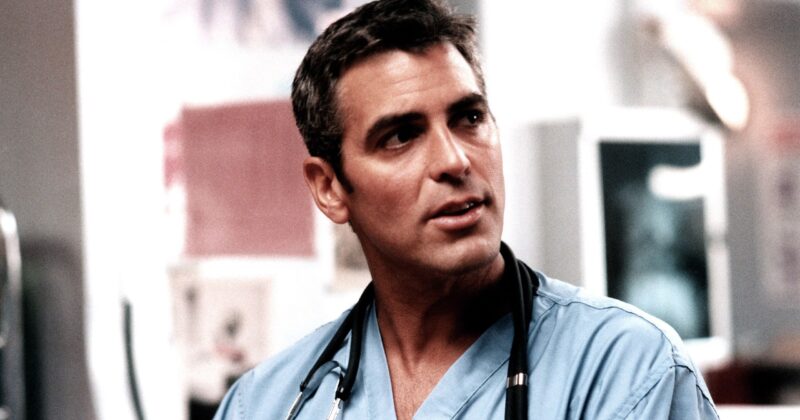
When it comes to hospital corridors buzzing with drama and high-stakes medical emergencies, few series have left as profound a pop culture footprint as ER. Led by George Clooney’s memorable turn as Dr. Doug Ross, ER not only set new standards for what a modern TV hospital could feel like—it directly shaped how millions perceived doctors and the culture of medical care.
How Accurate Are TV Doctors?
Despite its status as a television classic, ER — along with newer series like The Pitt and genre-defining sitcoms such as Scrubs — has long walked a fine line between Hollywood spectacle and medical realism. Dr. David Shapiro, an accomplished surgeon, recently weighed in on how these portrayals affect actual healthcare professionals and the expectations of their patients. For Shapiro, watching ER was a ‘major cringe’, even if the show introduced more modern elements, such as the laudable casting of Eriq La Salle as Dr. Peter Benton, a Black surgeon who became a significant figure over the first eight seasons.
Stereotypes Versus Reality in the Operating Room
While Shapiro praises the performance and mentorship angle of Benton, he highlights an ongoing issue: TV surgeons are often depicted as irreverent or even rude. This cliché, he notes, can be traced from Hawkeye Pierce in MASH to classic era icons like Ben Casey and Trapper John. For decades, a pattern emerged: skilled, arrogant, brash surgeons whose attitudes would never pass today’s real-world standards of bedside manner or patient empathy.
Modern Med Dramas: A Shift in Tone?
When assessing newer staples like The Resident and The Good Doctor, Dr. Shapiro finds these shows generally ‘okay’ as daytime dramas, acknowledging their attempt at nuanced character study but rarely seeing accurate depictions of evolving medical ethics. Meanwhile, Scrubs endears itself to fans more for its offbeat humor than surgical accuracy — most of the ‘medical’ plotlines focus on personalities and friendships, not the technical realities of doctor-patient interactions.
Hollywood’s Surgeon Archetype: Breaking Away from the Myth
Interestingly, even blockbuster cinema isn’t immune to the problem. The Marvel film Doctor Strange is heralded for capturing the technical confidence and drive often seen in surgeons — but just as quickly, the movie leans into an outdated trope: supreme arrogance and unflinching ego. According to Dr. Shapiro, while the exaggerated traits may make for compelling character arcs, they’re out of touch with the goals of real-world surgeons, who are striving to be approachable, trusted caregivers.
How Fiction Shapes Patient Expectations
There’s a real-world consequence to these media stereotypes. Patients often approach surgical consultations with preconceptions shaped by TV habits; many expect surgeons to be blunt or lacking empathy, a bias that can heighten anxiety around major procedures. Physicians like Shapiro are working to actively dispel these myths and promote a more accurate picture of patient-surgeon relationships—modern professionals dedicated to care over bravado.
Medical Dramas: Entertainment or Education?
As streaming platforms like HBO Max bring ER and The Pitt to new audiences, the conversation around how pop culture paints medicine is more relevant than ever. While TV series offer gripping narratives and dramatic tension, viewers are reminded to look beyond the on-screen scalpel—the reality of medicine is considerably more nuanced, dedicated, and, most importantly, human.