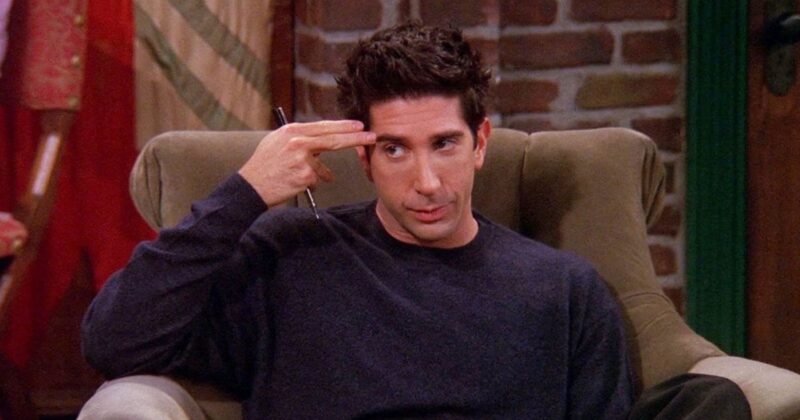
Revisiting ‘Friends’: Iconic, Timeless… and Sometimes Uncomfortable
‘Friends’ remains a rare phenomenon, still among the most-watched series across generations and platforms. Its clever writing, iconic New York setting, and magnetic cast chemistry have made it a comfort watch for millions. Yet, binge-watching with a modern perspective exposes moments where 1990s punchlines hit differently today. Shifting societal norms around comedy, gender identity, and workplace etiquette peel back a few awkward layers that were once invisible to audiences.
The One With The Rumor: Great Guest Star, Problematic Punchlines
Brad Pitt’s guest role as the resentful high school outcast is a comedic highlight, but his appearance comes packaged with relentless fat jokes at Monica’s expense. Watching these scenes now, the episode’s humor hinges almost entirely on body-shaming—miles away from what’s acceptable in contemporary comedy or even workplace banter. ‘Friends’ often mined Monica’s past for laughs, but this storyline in particular lands awkwardly in the current climate of body positivity and inclusivity.
The One Where Ross Dates a Student: Blurred Boundaries
In this chapter, Ross—professor and supposed role model—ignores glaring ethical boundaries by dating his much younger student, Elizabeth. What was played off as romantic awkwardness is now read as a textbook example of an unhealthy power dynamic. Ross’ attempts to justify himself only amplify the discomfort. On top of that, his blackmail threat against Elizabeth’s father is portrayed sympathetically, further highlighting the evolution of TV’s approach to accountability and consent.
The One Where Eddie Won’t Go: Gaslighting Played For Laughs
The writing in this early episode leaned into the ‘eccentric roommate’ trope. Chandler, faced with the increasing instability of temporary roommate Eddie, chooses psychological manipulation—convincing Eddie he never actually lived there. While this plotline follows classic sitcom absurdity, present-day viewers are more attuned to the realities of mental health. What was once a joke now reads as gaslighting, a term and concept that have since entered mainstream social awareness.
The One With The Metaphorical Tunnel: Gender Roles Under the Microscope
Ross’ misguided attempts to reinforce traditional masculinity resurface as he refuses to let his son Ben play with a Barbie. Instead, he pushes ‘boy toys,’ highlighting dated ideas around gender—ideas that current kids’ TV and educational apps actively deconstruct. Parents today are more aware of the impact rigid gender expectations have on child development, a discussion that this episode inadvertently ignites.
The One With Rachel’s Assistant: Workplace Ethics Upended
Rachel’s HR misadventures take center stage when she hires Tag for his looks and triggers office gossip by spreading personal rumors. Her pursuit, meant to set up a light office romance, now reads as clear textbook harassment and an HR nightmare. Post-#MeToo, both audiences and real workplaces recognize such situations as inappropriate, regardless of gender. While the episode once played for laughs, it’s a prime example of how expectations around professional conduct have dramatically shifted.
The One With The Dozen Lasagnas: The Overlooked Perspective
Phoebe’s uncomfortable experience with Rachel’s then-boyfriend Paolo is treated more as a plot inconvenience than a serious workplace violation. The focus bizarrely pivots to Rachel’s emotional fallout rather than Phoebe’s workplace assault. Today, discussions around consent, boundaries, and work safety demand that stories like this center the survivor, which makes these scenes all the more unsettling in retrospect.
The One With Ross and Monica’s Cousin: Familial Boundaries Crossed
This episode stands out for all the wrong reasons: Ross’ inappropriate behavior toward his own cousin Cassie. The writers’ choice to construct a plot around familial attraction is bewildering—especially since the characters’ discomfort becomes fodder for laughs. What seemed like edgy comedy at the time now falls flat and is largely considered off-limits in current pop culture discourse.
The One With The Ick Factor: Age and Consent Complications
The episode’s title does the heavy lifting—Monica unwittingly enters a relationship with a high school senior, believing he’s in college. Once the truth comes out, the gravity of the situation is glossed over in favor of a sitcom punchline. In 2026, stories about relationships and consent are navigated with greater nuance, highlighting just how much the conversation has changed.
The One With The Male Nanny: Breaking (and Reinforcing) Gender Stereotypes
The introduction of Sandy, the male nanny, is positioned as a joke about unconventional gender roles. Ross’ discomfort and outright questioning of Sandy’s capability simply because of his gender now feels dated—while Freddie Prinze Jr.’s guest performance remains memorable, the episode unwittingly exposes the persistence of deep-seated stereotypes. Today, the normalization of diverse caregiving roles is a win for both comedy and social progress.
Reflecting on ‘Friends’ Through Today’s Lens
Across streaming platforms and syndication deals, ‘Friends’ persists as a cultural reference point—yet seeing the show with 2026’s sensibilities offers as many face-palms as fond memories. Watching or rewatching these episodes provides a fascinating window into how far pop culture and social values have evolved. For those who love television history, ‘Friends’ remains essential viewing—not only for its best moments, but for the lessons its missteps still offer the players and creators of modern media.