Why Captain America: The First Avenger Remains the Pinnacle of MCU Period Storytelling

The Foundation of Marvel’s Expanding Cinematic Universe
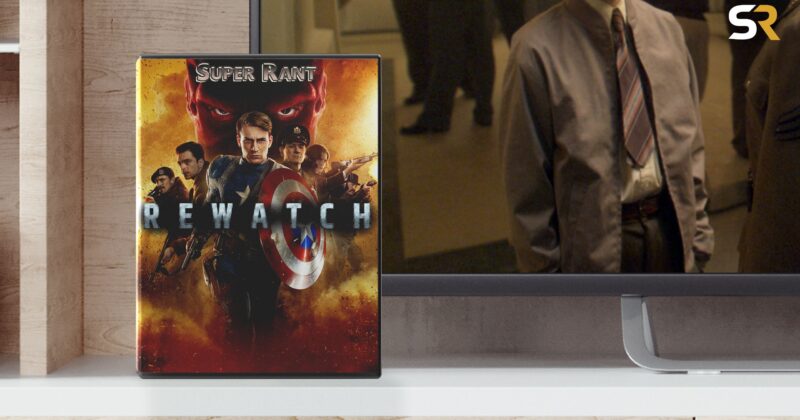
Rewatching Captain America: The First Avenger offers a vivid reminder of how character-driven storytelling set the stage for Marvel’s cinematic universe. While future blockbusters dazzled with cosmic scale and multiversal madness, the compelling heart of the MCU’s origins beats strongly in the WWII-era streets and laboratories where Steve Rogers’ journey began. The film’s aesthetic is a meticulous homage to 1940s cinema and pulp adventure comics, capturing both the innocence and darkness of wartime America with remarkable authenticity.
Pacing Flaws and Narrative Strengths
It’s true that The First Avenger struggles with pacing, especially once Steve Rogers receives the Super Soldier Serum. The acceleration feels jarring, jumping from the transformative experiment to montage-driven action sequences that condense a campaign’s worth of battles into minutes. These montages are visually striking—especially the Howling Commandos blazing through Hydra—but they leave some relationships underexplored. More screen time for the banter and camaraderie between Steve, Bucky, and the Howling Commandos could have transformed side characters into legends in their own right. Similarly, while Steve and Peggy Carter’s romance is instantly magnetic, fans still wonder what extra scenes might have given their relationship an even greater legacy.
Ensemble Casting: Key to Iconic Moments
The film’s greatest asset is its impeccable casting. Chris Evans embodies the sincerity, humility, and moral clarity that define Captain America. The chemistry between Evans and Hayley Atwell’s Peggy Carter is electric, creating a partnership that resonated beyond this film and became crucial across the MCU. Sebastian Stan’s Bucky Barnes is layered and loyal, foreshadowing his pivotal future in the franchise. This trio, joined by standout performances from Stanley Tucci as Dr. Erskine, Tommy Lee Jones as Col. Phillips, and Hugo Weaving as the menacing Red Skull, forms an unforgettable foundation that blends classic war movie tropes with superhero spectacle. For many fans, the SSR grenade scene—where Steve leaps on what he believes is a live explosive, sacrificing himself instinctively—remains one of the definitive character moments in the MCU’s entire saga. This act isn’t driven by powers, but by heart and courage, showcasing precisely why Erskine selects Steve for the serum.
Technical Craft and Authentic World-Building
Director Joe Johnston’s background in period genre filmmaking leaves an indelible mark on the production’s atmosphere. Practical effects, costuming, and set designs immerse viewers in a stylized yet believable 1940s world. The film incorporates technological marvels—Hydra’s futuristic weaponry, Stark’s early tinkering, and the Tesseract’s otherworldly power—while anchoring them in tangible reality. The contrast between Hydra’s sci-fi menace and traditional war material creates dramatic tension that still feels fresh alongside today’s MCU entries. Alan Silvestri’s rousing score infuses the film with nostalgic heroism, another subtle but vital ingredient to its sense of time and place.
Legacy, Impact, and Steve Rogers’ Enduring Appeal
The conclusion of The First Avenger, as Steve wakes up in present-day New York to find his entire world has vanished, is more poignant given his anticipated return in Avengers: Doomsday. The film’s final moments—Steve running into the modern world, haunted by memories and lost time with Peggy—deliver an emotional resonance that has echoed through every subsequent MCU installment. His willingness to sacrifice, even after seventy years in the ice and unimaginable loss, crystallizes Steve Rogers as the MCU’s moral compass. The decision to bring him back for another heroic stand feels not just logical but inevitable; this is a character whose instinct is always to ‘jump on the grenade’—no matter the era or threat.
The First Avenger’s Place in Pop Culture
For all the spectacle and continuity that followed, Captain America: The First Avenger continues to resonate because of its honest, heartfelt celebration of what it means to be a hero. Its impact is seen not just in sequels and crossovers but in the cultural embrace of Steve Rogers as a multi-generational icon. Whether it’s details like Howard Stark’s early genius or the nuanced transformation of seemingly “simple” characters into legends, the film remains an essential MCU rewatch—especially with the universe poised to revisit Steve’s legacy once more.