Manga’s Curse: When Great Stories End Too Soon
Within the world of manga, the tension between artistic vision and the realities of serialization is well-known. Fans invest years into these journeys, only to find that sometimes, a series wraps up much faster than expected—leaving unresolved threads, divisive conclusions, and passionate debates. Here are 10 manga series whose endings arrived so abruptly they’re still the subject of conversations across anime and manga communities today.
Demon Slayer – A Swift Goodbye to Tanjiro and Co.
Demon Slayer became a phenomenon, its anime elevating it to global stardom. Yet, despite its success, the manga chose not to linger. Many readers anticipated deeper development with each Hashira, those iconic elite warriors, before the grand finale arrived. Creator Koyoharu Gotouge, though, pivoted toward the endgame earlier than anticipated, delivering a tightly-written conclusion but leaving many fans wishing for more. It’s a classic case where popularity didn’t translate into prolonged storytelling.
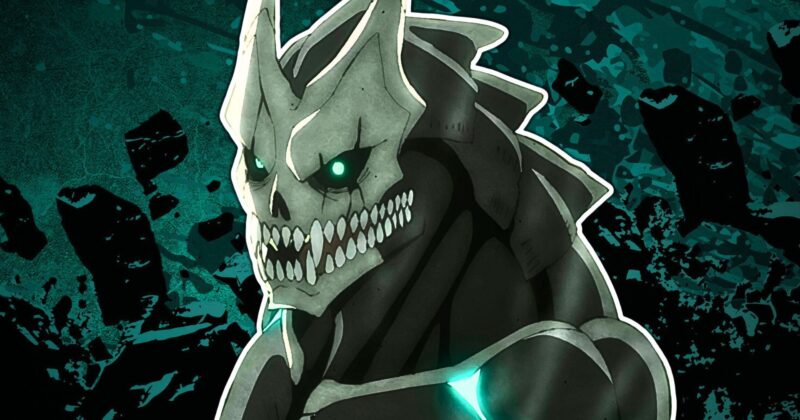
Kaiju No. 8 – Giant Monsters, Short Run
Kaiju No. 8 exploded onto the scene with the promise of a new shōnen giant, especially with its anime adaptation taking off. But just as its popularity soared, the manga reached its end. Instead of a slow burn through multiple arcs, the final act focused on a single, drawn-out confrontation, making the ending feel abrupt and somewhat incomplete. Fans still hold out hope for a follow-up or a sequel to tie up those lingering plot points.
Oshi no Ko – Stardom and Sudden Closure
Oshi no Ko drew international eyes with its unique critique of the idol industry and a memorable anime debut. The manga, already with a strong fanbase thanks to Aka Akasaka and Mengo Yokoyari, was catapulted to new heights after its anime adaptation. However, its ending arrived quickly and polarized audiences, with many arguing major themes and character arcs deserved more room to breathe. This abrupt closure made it one of the most talked-about manga conclusions in recent memory.
YuYu Hakusho – Classic Shōnen, Rushed Exit
YuYu Hakusho defined a generation and helped cement Yoshihiro Togashi’s legacy. Pitted alongside titles like Dragon Ball, it was a powerhouse in its time. Yet, the demands of the industry and the toll on Togashi’s health led to a rapid and, for some, unsatisfying wrap-up, echoing the creator’s later issues on Hunter x Hunter. Fans of ’90s anime still discuss what might have been had Togashi been granted more time and less pressure.
Fire Punch – Tatsuki Fujimoto’s Experimental Finale
Known for pushing boundaries, Tatsuki Fujimoto’s Fire Punch lives up to his reputation for abrupt, often philosophical, endings. Yet here, the final act goes full existential while leaving several plot threads dangling, giving readers a finale reminiscent of classics like Neon Genesis Evangelion. While some love the wild ride, others felt a few extra chapters could have brought deeper closure.
Psyren – Unfinished Potential
Psyren was a sci-fi shōnen with a compelling premise, but its run got cut short by cancellation after just 145 chapters—a reality of life in weekly manga publishing. Forced to rush toward any kind of conclusion, the finale left numerous questions unanswered. Ironically, in recent years, renewed fan interest resulted in an anime adaptation announcement, proving that abrupt endings don’t always spell the end of a story’s legacy.
Ayashimon – High Hopes, Early Exit
Despite having Yuji Kaku—creator of the well-received Hell’s Paradise—at its helm, Ayashimon didn’t connect with enough readers to survive. The blend of supernatural and yakuza elements showed promise but didn’t get to develop past 30 chapters before the axe fell. The case highlights how even acclaimed talent isn’t immune to market forces.
Samurai 8: The Tale of Hachimaru – The Weight of Expectations
With legendary Naruto creator Masashi Kishimoto behind it, anticipation was sky high for Samurai 8. The ambitious blend of classic samurai tropes and sci-fi elements promised a fresh direction, but shifting reader trends and a demanding serialization schedule brought the manga to an unexpectedly early finish. The series stands as a reminder that big names offer no guarantees of longevity or narrative fullness within the world of manga publishing.
The Ongoing Debate: How Should Manga End?
As more fans experience these sudden conclusions, questions persist: Should manga creators follow their own vision, even if it means breaking reader expectations, or draw things out at the risk of diluting their narrative? With the evolving landscape of digital platforms and anime streaming driving renewed interest in older and even previously cancelled properties, perhaps some of these stories will get a second chance to end on their own terms.