Why Mindhunter Remains Netflix’s Most Rewatchable Crime Thriller

The Anatomy of Mindhunter: Crafting a New Blueprint for Crime TV
Mindhunter sits in a rare echelon of television crime thrillers. Built on the memoirs of criminal profiler John E. Douglas and filmmaker Mark Olshaker, the series refuses to walk the well-trodden path of formulaic crime procedurals. Set against the backdrop of the late 20th-century FBI, the show explores a time when criminal psychology was still considered experimental, allowing its characters to venture into ethical and investigative territory rarely portrayed with such nuance on screen.
The Mind Behind the Madness: David Fincher’s Touch
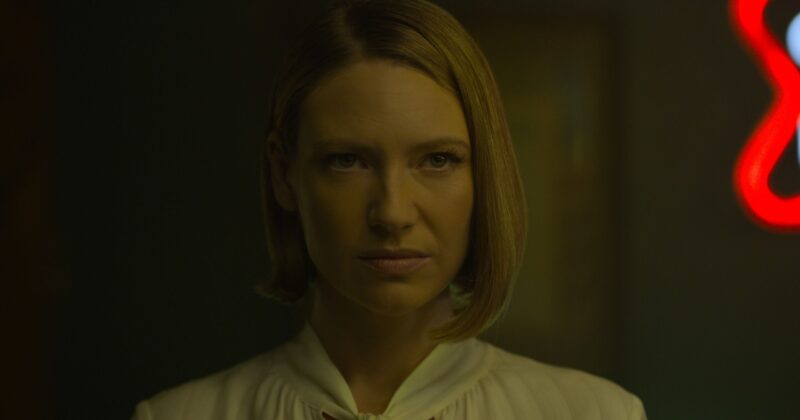
From the moment David Fincher took the reins as director, Mindhunter distinguished itself with visuals that cultivate a palpable sense of unease. The show’s aesthetic is dark, cinematic, and methodical. Fincher’s signature use of slow zooms and deliberate pacing gives every conversation an ominous weight, especially during interviews with the infamous serial killers who shaped the criminal psychology we know today. Unlike many modern crime dramas, Mindhunter doesn’t rely on relentless action or graphic violence but instead lets the psychological games take center stage. Crime scene photos, chilling monologues, and the discomfort of silence drive the atmosphere further than gore ever could.
Unconventional Heroes, Imperfect Geniuses
Rather than glorifying its investigators as infallible, Mindhunter thrives on the missteps and human flaws of its leads. Viewers meet Holden Ford, played with nervous intensity by Jonathan Groff, and Bill Tench, brought to life by Holt McCallany. Their approach to criminal profiling is filled with trial, error, and at times, deeply personal consequences. The stakes are brutally real, with early episodes showcasing failures—such as mishandled hostage situations—that ripple across both their professional and personal lives.
Serial Killers & Psychological Horror
The series brilliantly brings historical figures like Ed Kemper, depicted in unforgettable fashion by Cameron Britton, into the interrogation room for some of the most unnerving TV conversations ever filmed. Mindhunter’s strength lies in making the mundane horrifying and giving a nuanced face to some of the darkest figures in American history. The show refuses to sensationalize—they let real psychology and the existential terror of the unknown do the heavy lifting.
More Than Mystery: A Character Study
Mindhunter remains endlessly rewatchable, not because of who did what, but because of how and why. In contrast to many crime shows that lose their tension after the first viewing, Mindhunter invites second and third watches as a character study and a time capsule of evolving criminology. Its accuracy invites fans to dive deep into the real-life cases, then come back to appreciate the actors’ attention to detail and Fincher’s rich, meticulous direction.
A Curated Binge for the Brave
With 19 tightly-crafted episodes ranging from 45 to 75 minutes, Mindhunter is perfect for a long weekend that rewards viewers ready to confront humanity’s darkest questions. Whether it’s uncovering the origins of behavioral analysis or exploring the uncomfortable moral lines law enforcement walked, this series stands as required viewing for anyone serious about true crime, psychology, or modern cinematic storytelling.
Technical Brilliance & Cultural Impact
Critical reception speaks volumes—the series consistently held near-perfect ratings with both critics and audiences. Behind the camera, talents like Joe Penhall, Carl Franklin, Andrew Dominik, and Asif Kapadia have created a show that pushes beyond the typical TV playbook. Culturally, Mindhunter has already inspired deep dives into its source material and renewed interest in the real-life events that echoed through films like The Silence of the Lambs.
Mindhunter isn’t just a crime show; it’s a masterclass in mood, tension, and character-driven drama. Its understated approach, profound performances, and technical artistry have set a new standard for the genre and left fans craving more, despite its unresolved status. For anyone captivated by the intersection of psychology and storytelling, Mindhunter is a journey worth taking—again and again.