How Batman v Superman Really Holds Up: The Triumphs and Misfires in the Dawn of Justice

The Enduring Impact of Batman v Superman: Dawn of Justice
Since its ambitious launch, Batman v Superman: Dawn of Justice has continued to ignite debate across fans, critics, and industry insiders. The film marked a crucial crossroads for the DC Extended Universe; its legacy is a patchwork of artistic highs, divisive choices, and bold experimentation. Breaking down its artistic DNA reveals both exceptional cinematic moments and creative decisions that have aged less gracefully.
What Still Resonates Today
A Magnetic Opening Sequence
Few superhero movies start with the immediacy or emotional punch seen here. After a brief, familiar retread of Bruce Wayne’s tragic origin (pearls and all), the narrative thrusts viewers into the chaos of Metropolis as seen through Bruce’s eyes. The city’s destruction, a direct aftermath of Superman’s battle with Zod, sets a realistic, emotionally charged context. Watching Bruce Wayne sprint into disaster, as civilians flee, captures the core of the character – a hero born from tragedy, compelled to engage injustice head-on. This opening remains visually and emotionally striking, anchoring Bruce’s vendetta against Superman with genuine storytelling heft.
Ben Affleck’s Defining Batman
Initially greeted with skepticism and furor, Ben Affleck’s performance as Bruce Wayne now stands as one of the film’s enduring strengths. His portrayal balances physical dominance with introspective vulnerability. Whether brutalizing thugs in visceral warehouse action or brooding over Gotham’s lost innocence, Affleck brings dimension and pathos to a Batman worn down by years of war. His nuanced expressions and haunted demeanor continue to draw praise, setting a standard for future interpretations in the cowl.
Snyder’s Kinetic Action Sequences
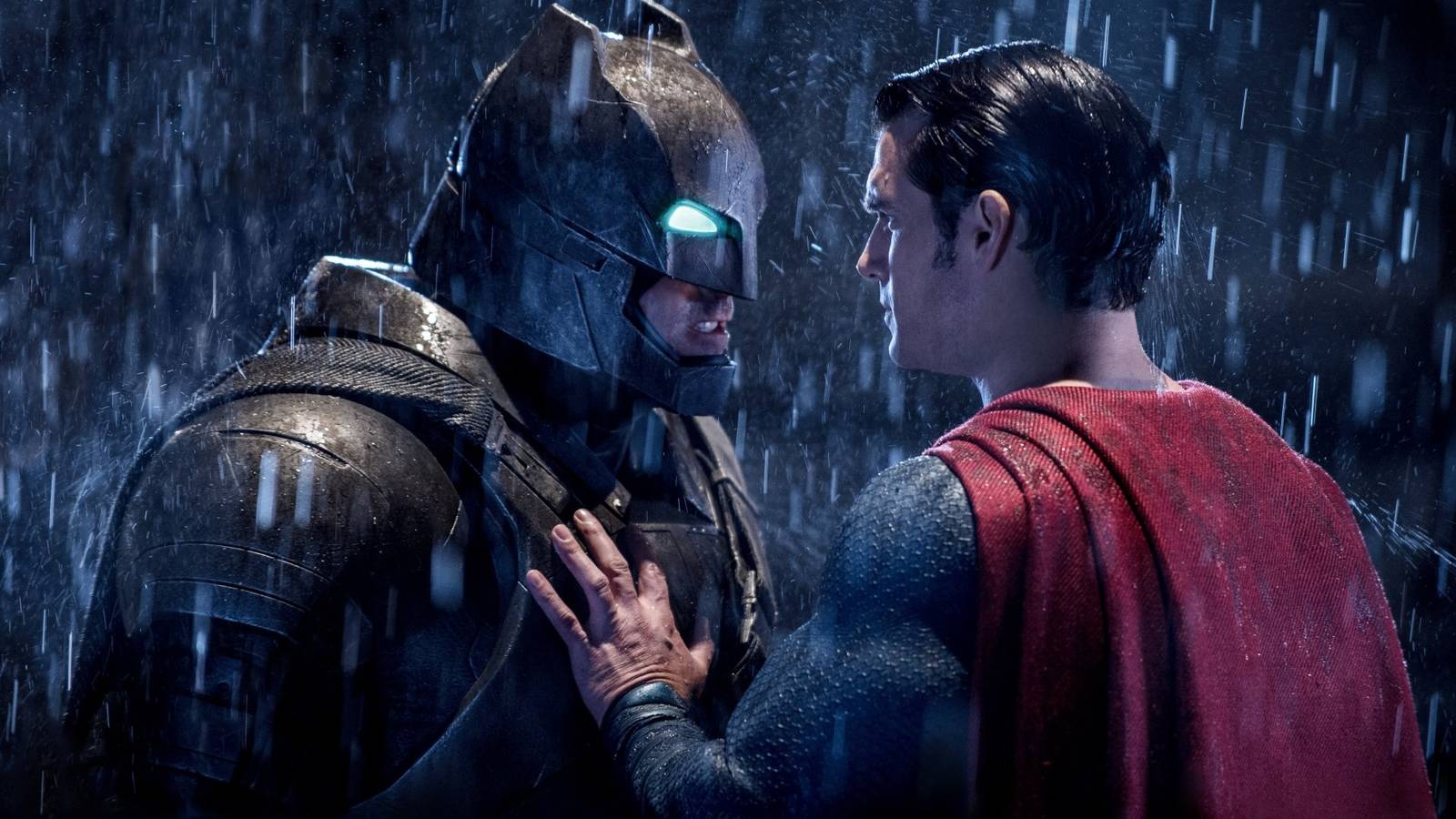
Director Zack Snyder’s skill at crafting large-scale action shines repeatedly. The Batmobile chase feels ripped straight from classic Batman comics, mixing pulse-pounding choreography with sleek visual flair. The infamous warehouse sequence, in particular, brings the bone-crunching combat of the beloved Arkham games to vibrant, unfiltered life. Even the much-anticipated showdown between Batman and Superman delivers on spectacle, adapting classic comic book standoffs with a blockbuster edge that’s hard to ignore.
The Iconic Faceoff: Batman Vs. Superman
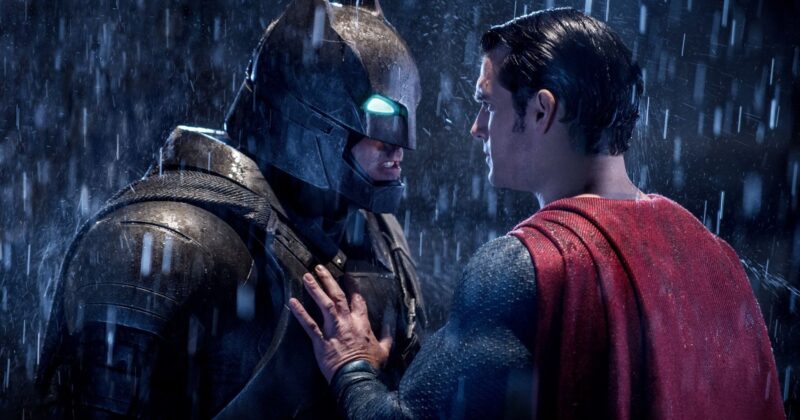
The promise at the heart of the film—World’s Finest clashing in raw combat—is ultimately fulfilled. With Kryptonite evening the odds and Batman suited up in formidable battle armor, Snyder orchestrates a duel that’s both brutal and, for a time, emotionally charged. This sequence captures the mythical scale of DC’s legacy, pitting ideology against power in a visual feast for comic book aficionados.
Where the Film Falls Short
Excessive Setup for Future Films
What once felt tantalizing—quick glimpses of other Justice League members, cryptic time-travel warnings, and visions of a dystopian future—now stands as the film’s most glaring misstep. With the benefit of hindsight, most of these narrative seeds went unrealized or were abandoned in the wake of creative shakeups. These subplots often sidetrack the main story, diluting the impact of the film’s core conflict and leaving contemporary audiences with the sense of a roadmap that led nowhere.
Jesse Eisenberg’s Polarizing Lex Luthor
Jesse Eisenberg’s frenetic take on Lex Luthor continues to divide opinion—and for good reason. Rather than embodying the steely, super-genius nemesis iconic to DC Comics, Eisenberg’s version veers toward manic tech mogul and unpredictable trickster, blurring lines with other villain archetypes. The result is a Lex who feels more like a chaotic disruptor than a master tactician, which jars with long-time comic fans and leaves recent depictions—such as Nicholas Hoult’s cerebral approach—feeling more faithful and nuanced.
The Problem of Dream Sequences
Snyder’s frequent use of dream logic and vision sequences veers dangerously close to narrative excess. From apocalyptic wastelands to time-displaced warnings, these vignettes often interrupt pacing and spoon-feed future setups rather than deepen the immediate plot. While surrealism can be effective, the sheer quantity here comes off as heavy-handed, especially when multiple “dreams within dreams” appear. It’s a choice that has only grown more conspicuous with each rewatch.
Granny’s Peach Tea: A Puzzling Creative Choice
The infamous ‘Granny’s Peach Tea’ scene, featuring a jar of urine as a symbolic threat to Holly Hunter’s senator, remains as baffling now as it was at release. Intended as a shocking, sardonic callback, it overshoots into the territory of meme-worthy oddity. For all of Lex Luthor’s machinations, moments like this highlight the film’s tonal inconsistency, drawing attention away from high-stakes drama with jarring absurdity.
Reckoning with Batman v Superman’s Legacy
No matter your allegiance—DC loyalist, film analyst, or curious bystander—Batman v Superman: Dawn of Justice continues to provoke strong reactions. While some creative choices have faded from favor, the film’s technical virtuosity, daring ambition, and central performances have secured its unique place in superhero cinema. The debates it inspires are far from settled, and for a film that set out to challenge its audience, perhaps that’s the truest hallmark of its enduring impact.