The Penguin’s Daring New Look Redefines Batman’s Classic Villain

Oswald Cobblepot Returns with a Disturbing Transformation
Few villains have enjoyed as many radical reinventions as the Penguin, and his latest appearance in the Absolute Batman saga takes the character into striking new territory. Once the dapper, umbrella-wielding mob boss, Oswald Cobblepot is now entering a phase of body horror and weaponized ingenuity that reimagines the very essence of the Penguin for a modern audience.
From Traditional Crime Lord to Disfigured Menace
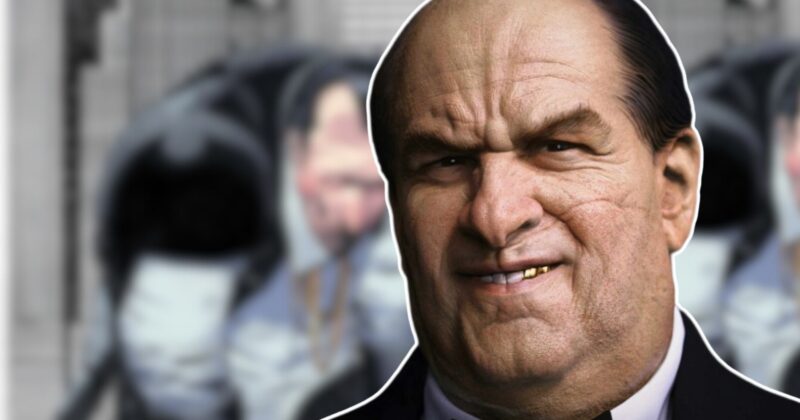
In early adventures dating back to the 1940s, the Penguin was emblematic of Gotham’s classic rogues’ gallery—a clever criminal, instantly recognizable by his tuxedo, monocle, and trademark waddle. Over the last five years, he’s been resurrected and reinvented across various universes, including The Batman film and the HBO series The Penguin. However, the current Absolute Universe storyline is where the creative team fully unleashes the concept of transformation.
Under the artistic vision of Nick Dragotta and the narrative leadership of Scott Snyder, the Penguin debuts with a look that’s both harrowing and deeply tied to Gotham’s evolving mythos. After a brutal encounter with Bane left Oswald’s bones shattered, advanced medical technology and what appears to be a Batman-inspired exoskeleton brought him back—though the cost is a grotesquely altered physique. Oswald now stands barely four feet tall, heavily scarred and relying on crutches and a back brace to move.
Body Horror Comes to Gotham
Dragotta’s variant cover for Absolute Batman #21 reveals Oswald in his most horrifying incarnation yet. His hunched frame, bulbous flesh, and distorted gait highlight the series’ ongoing flirtation with body horror—an artistic direction rarely seen to such a degree in Batman’s world. The Penguin’s iconic waddle is no longer merely a characterization but a function of trauma and physical consequence, giving layers of realism to the classic villain moniker.
Yet where this redesign truly shines is in its mechanical augmentations: the stilts of the Penguin’s crutches are actually machine guns. This isn’t merely a visual gimmick, but a perfect homage to Oswald’s enduring association with firearms, now reimagined for the Absolute Universe. For longtime fans, this echoes his penchant for weaponized umbrellas, but the stakes and the aesthetic are undeniably escalated.
Connections to Batman’s Legacy
One particularly fascinating detail is the design of the Penguin’s back brace, which strongly resembles Bruce Wayne’s own advanced Batman tech. This nod suggests that even in his twisted state, Oswald’s survival is intertwined with Batman’s world—complexifying the hero-villain dynamic and blurring lines between enemies and reluctant allies. The exoskeletal brace is visual proof that Gotham’s technology can both save and deform its inhabitants, depending on who wields it.
Pushing Comic Villainy Forward
The Penguin’s current form is a testament to how legacy characters can be pushed into new creative territory, balancing reverence for tradition with bold, unsettling concepts. While Colin Farrell’s portrayal in recent cinema stunned audiences, this new comic iteration arguably outdoes it in originality, using horror not as a mere shock factor but as a meaningful exploration of trauma and resilience in Gotham.
For fans of DC’s darker, more experimental stories, Absolute Penguin marks a milestone in villain evolution. The grotesque yet tragic figure of Oswald Cobblepot stands as a symbol of the series’ willingness to challenge expectations, proving that even the most established villains can—and should—continue to surprise us.