10 TV Reboots That Surpassed Their Original Series
Reboots often spark debate among fans: can a new vision truly outshine nostalgia? While most attempts falter, certain shows have proven that reinvention can lead to something even greater, blending modern sensibilities, technological leaps, and creative ambition to deliver fresh classics for today’s viewers.
The Tick
The journey of The Tick is a case study in how material evolves with its time. Originating from Ben Edlund’s comic, the animated series in the 1990s captured the goofy satire of American superhero tropes. Yet, it was the Amazon live-action adaptation, led again by Edlund, that struck gold. Peter Serafinowicz’s performance brought unexpected depth, humor, and humanity, allowing the character’s satirical edge to shine in a new world obsessed with superhero lore. That razor-sharp wit, paired with a self-aware embrace of superhero absurdity, carved out a cult following that many would argue exceeded the charm of the original.
Lost in Space
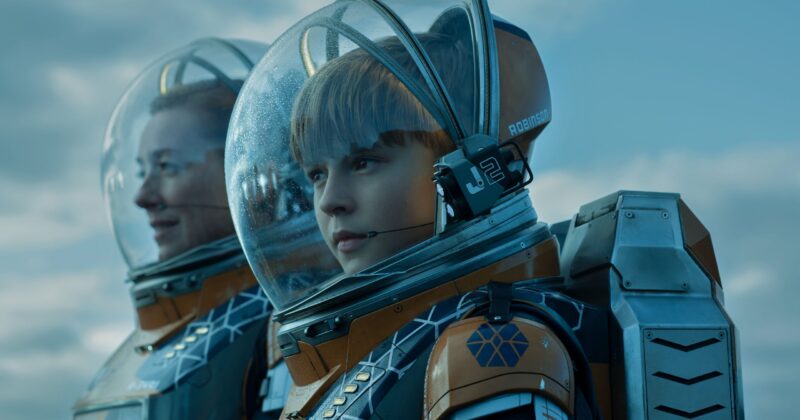
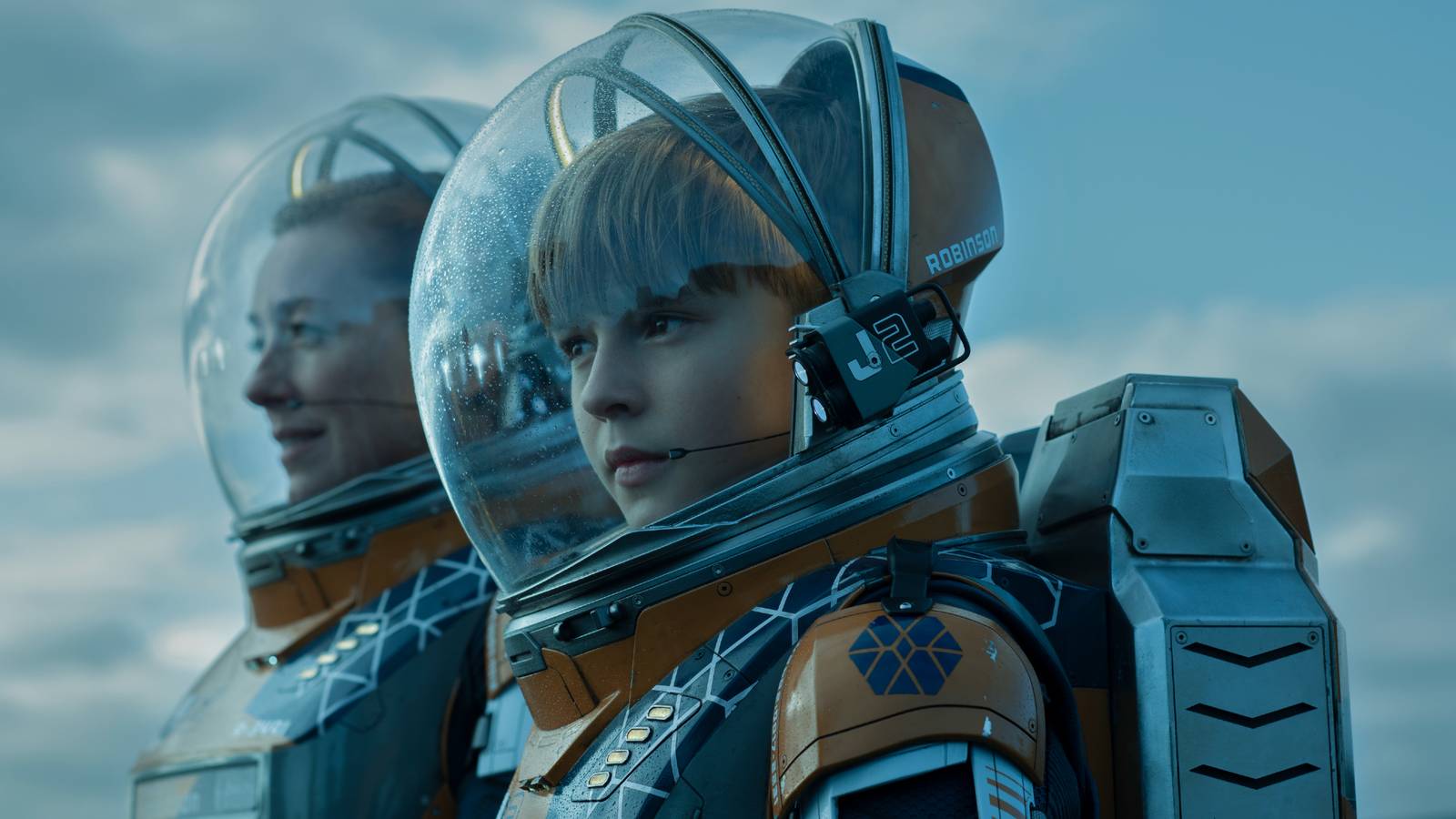
The original Lost in Space reimagined ‘Swiss Family Robinson’ with a cosmic twist. Despite its inventive premise, technical limitations and a surplus of campiness held it back. The reboot, though, fully exploited the visual marvels modern science fiction can offer, conjuring up vibrant galaxies and genuine peril. Beyond its spectacle, the show deftly balanced sweeping sci-fi drama with relatable family tensions, finally doing justice to a premise brimming with emotional potential and narrative scope.
Hawaii Five-0
While the first Hawaii Five-0 hit notes with its beautiful settings and charismatic cast, it often felt surface deep. The revival packed much more: dynamic action, cinematic production, and character arcs with sharper definition. It didn’t just refresh an old formula; it redefined what a long-running procedural could aspire to be, giving back to Hawaii’s economy and community while doing so. The cast’s chemistry and high-stakes plots transformed it from familiar comfort TV into appointment viewing for a new generation.
DuckTales
DuckTales is a touchstone for countless millennials, thanks to its memorable characters and iconic theme song. Fast forward to its reboot—what some might have initially regarded as a nostalgia cash-in revealed itself to be a masterclass in clever animation and storytelling. Building on the legendary adventures of Scrooge McDuck and his nephews, the revival dives deeper into family dynamics, rich world-building, and meta-humor that appeals to both kids and grown-ups raised on the original. Sharp voice talent and vibrant animation helped cement it as not just a throwback, but a standout example of modern family programming.
X-Men ‘97
Few cartoons hold the legacy power of X-Men: The Animated Series. The recent reboot, X-Men ‘97, didn’t just pick up where the original left off; it honored it with compelling, serialized arcs, high-stakes drama, and that critical balance between mutant action and emotional storytelling. The characters feel richer, and the themes—discrimination, identity, community—remain more timely than ever. In an era crowded with superhero content, X-Men ‘97 recaptures the special alchemy of comics-to-animation and elevates it for today’s audience.
Doctor Who
With roots in the 1960s, Doctor Who defines British science fiction. Its early run was marked by ingenuity and quirk, but when the show returned in the 2000s, it underwent a renaissance. Russell T. Davies injected the saga with emotional complexity and contemporary resonance, alongside blockbuster visuals absent from its original era. The revival brought the Doctor’s adventures from camp curiosity to sophisticated, interwoven storytelling, ensuring its place as a sci-fi staple for both new and lifelong fans.
Shōgun
“Shōgun” was first revered as a pioneering miniseries, showcasing Japanese history and samurai culture to a Western audience. The reboot arrived with epic ambition, leveraging modern filmmaking to immerse viewers in meticulously recreated landscapes and visually grand battle sequences. Beyond production values, it brought nuanced portrayals of cultural clash and honor, setting a new bar for historical adaptations. The saga’s renewed character focus and visual splendor deliver an experience both cinematic and deeply personal.
Battlestar Galactica
Early Battlestar Galactica was often dismissed as derivative, a response to space opera mania rather than a trendsetter. The reboot, devised by Ronald D. Moore, shifted to a darker, unforgettable allegory for post-9/11 anxieties. Anchored in humanity’s struggle against the Cylons, the series explored faith, identity, and survival amid existential dread—profoundly influencing how science fiction could mirror real-world fears and hopes.
Twin Peaks: The Return
David Lynch’s original Twin Peaks redefined television’s possibilities with surreal mystery and brooding eccentricity. Decades later, “The Return” reunited the cast and Lynch’s singular vision for a season that feels less like a traditional revival and more like an epic, extended feature film. Navigating through nostalgia, dream logic, and unfiltered creativity, it pushes boundaries of television as an art form, giving fans not just a continuation but a meditation on storytelling itself.
These reboots serve as proof that, in the right hands, legacy television can accomplish more than echo the past—they can become new pillars in the landscape of entertainment, setting standards for how beloved worlds are reimagined for another era.