How Rewatching All Jurassic Park Movies Will Change Your View of the Franchise
The Timeless Magic of the Original Cast
Revisiting the entire Jurassic Park saga reveals just how masterful the casting of the first film truly was. The chemistry between Sam Neill, Laura Dern, and Jeff Goldblum set an almost unattainable standard for future entries. Their grounded performances reinforced the awe and stakes of humanity’s encounter with dinosaurs—something fans continue to revisit, especially with nostalgic crossovers in later films. As the franchise expanded, new stars like Chris Pratt and Bryce Dallas Howard brought charisma and spectacle, but the understated resonance of the original team remains unmatched.
Hybrid Dinosaurs: Evolution or Gimmick?
The transition from classic dinosaurs to genetically-engineered hybrids such as the Indominus Rex generated both excitement and debate. Within Jurassic World, the very notion that ordinary dinosaurs no longer dazzled led to scientific hubris, echoing the franchise’s established themes—but it also sparked division among fans. Some embraced the next step in dino-spectacle, seeing it as a natural outgrowth of the narrative, while purists argued that inventing monsters detracted from real paleontological intrigue. This creative gamble continues to polarize audiences, making each rewatch an opportunity to reconsider where you stand.
The Ever-Evolving Raptors
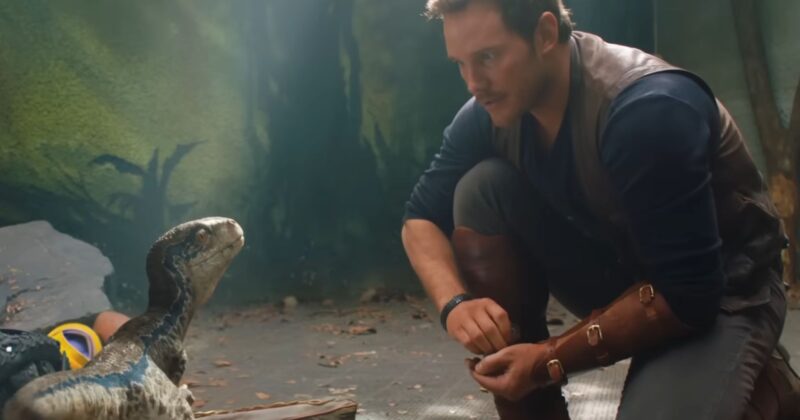
Few creatures have experienced as much on-screen evolution as the Velociraptors. Attentive viewers will notice these carnivores morph from the streamlined hunters of the original to distinctly striped, feather-crested variants by the third installment. Their depiction across the films isn’t just aesthetic—each installment tweaks their intelligence, social structure, and role in the story. In the Jurassic World era, Blue and her cohort take on shades of loyalty and trainability, reflecting current scientific debates on dinosaur behavior and intelligence.
Dramatic Changes in Dinosaur Abilities
Watching the franchise sequentially unveils gradual but significant shifts in how dinosaur abilities are portrayed. Early films established the T. rex’s thunderous approach as iconic; later movies occasionally subvert these established rules, letting the same dinosaur move with surprising stealth. Raptors develop increasingly sophisticated tactics, from trap-setting in Jurassic Park III to complex social bonds in Jurassic World. These changes highlight the franchise’s oscillation between respecting established canon and opting for blockbuster spectacle.
The Sound of Jurassic Park: Iconic but Ever-Changing
John Williams’ original theme is instantly recognizable even decades later, but each film’s soundtrack evolves with new composers at the helm. Don Davis and Michael Giacchino brought fresh interpretations in their respective sequels, and most recently, Alexandre Desplat has layered classic motifs into new scores. The evolving soundscape not only freshens the atmosphere for each installment but also subtly marks shifts in tone and storytelling perspective throughout the saga.
The Unbreakable Plot Armor of Families
After a full-series rewatch, one trend stands out: children and families trapped in dino-disaster scenarios almost always emerge unharmed, no matter how dire their circumstances. While this is classic blockbuster fare designed to maximize suspense without tragic consequences, it becomes increasingly noticeable—and predictable—the deeper you travel through the franchise. If a youngster is on screen, their survival has practically become a franchise in-joke.
The Sidelined Clone Storyline
The revelation that Maisie Lockwood is a human clone was one of the franchise’s boldest narrative pivots, yet felt somewhat underexplored amid the chaos of ongoing dino-escapades. Although Jurassic World: Dominion returns to her origins, the massively intricate plot leaves little room for deeper exploration of cloning’s ethical dilemmas and ramifications—a missed opportunity that tantalizingly lingers in the background for attentive fans.
Spotting Absurd, Meme-Worthy Moments
What started as a tense, scientifically speculative adventure has gradually welcomed more outrageous moments. Scenes like Kelly’s gymnastic raptor-kick in The Lost World and the infamous raptor dream in Jurassic Park III toe the line between exhilarating and unintentionally comedic. Even Claire’s high-heeled sprint from a T. rex has become a viral reference point. These moments can be divisive for franchise purists, but they have become indispensable for fans who appreciate the humor and self-awareness that now permeate the saga.
InGen’s Unpredictable Legacy
A rewatch also highlights InGen’s transformation from ambitious start-up to corporate villain, only to be overshadowed by BioSyn as the new puppet master. The shifting portrayal of these entities, from well-meaning boastfulness to shadowy manipulation, traces a parallel arc with real-world anxieties about biotechnology and corporate overreach. Watching the power dynamics evolve provides a lens through which to read the franchise as a commentary on ethics, progress, and who controls the narrative of discovery.
The Jurassic Park Series as Pop Culture Time Capsule
Beyond epic dino showdowns and running jump-scares, bingeing the full Jurassic series serves as a tour of blockbuster filmmaking trends, special effects advancements, and shifting audience expectations. Each film is a document not only of its characters’ storylines but of cinematic history itself—stunning practical effects in the early entries, digital wonder in the modern era, and a constant balancing act between nostalgia and reinvention.
Get Even Closer to Dinosaurs
Want a deeper dive? Several official apps allow you to interact with the Jurassic universe, from AR experiences to trivia games. These platforms expand the lore and let fans of all ages explore dinosaurs in brand new ways, bridging the gap between classic movie magic and today’s interactive technology.