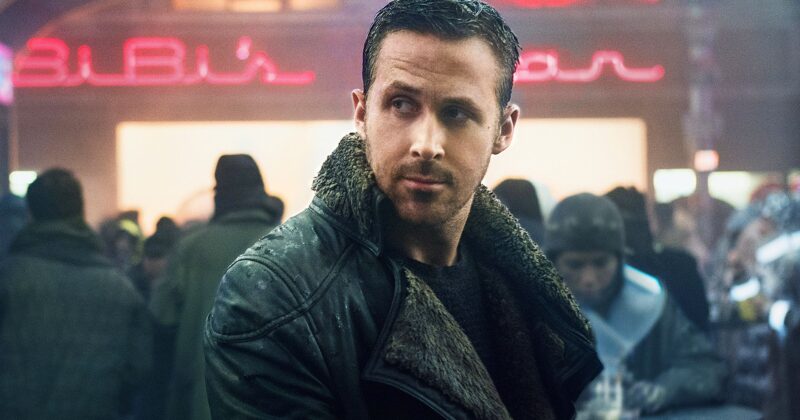
How Blade Runner 2049 Quietly Became the Blueprint for Today’s Dune Trilogy and Sci-Fi Cinema

Blade Runner 2049: The Sci-Fi Noir That Changed Everything
Blade Runner 2049 wasn’t just another entry in the realm of futuristic cinema. When it premiered, it brought audiences back into the rain-soaked, neon-lit world of Los Angeles—only this time sharper, deeper, and more philosophical than ever. Led by Ryan Gosling’s haunting performance as Officer K, and orchestrated by Denis Villeneuve, this film served as a pivotal moment not only for its own franchise, but for science fiction as a whole.
Denis Villeneuve’s Sci-Fi Era Begins
Before he brought the world of Arrakis to life in his epic Dune adaptations, Denis Villeneuve was already garnering respect for his genre-defining works. Hits like Prisoners, Incendies, and Sicario had made him a standout, but it was Arrival that first hinted at his unique touch with science fiction. Enter Blade Runner 2049, a film whose ambitious production design and profound narrative proved Villeneuve was the director capable of shouldering a project as gigantic as Dune.
With Roger Deakins behind the camera—whose Oscar-winning cinematography infused every frame with atmosphere and tension—Blade Runner 2049 transformed the aesthetics and storytelling standards for sci-fi. Its moody, sprawling cityscapes and deep existential currents hinted at what Villeneuve could achieve with a towering saga like Dune.
Crafting a New Age for Science Fiction Blockbusters
In retrospect, Blade Runner 2049 has become a crucial reference point for how massive sci-fi franchises are handled. The film boasted a spectacular ensemble: alongside Gosling, heavy hitters like Ana de Armas, Dave Bautista, Robin Wright, Jared Leto, and the legendary Harrison Ford reprising his role as Deckard brought gravity and history. Despite earning critical acclaim—an 88% score on Rotten Tomatoes and two Academy Awards—the film struggled to break even at the box office, a phenomenon often cited as the reason for the absence of a third installment.
But among fans and critics, its influence became unmistakable. As the Dune trilogy draws to its anticipated conclusion, cinematic echoes of Blade Runner 2049 can be felt: massive set pieces, dense world-building, and Villeneuve’s trademark somber pacing and cerebral storytelling. The cross-pollination of talent and technique is obvious—Gosling’s move to roles like First Man and Project Hail Mary signaled a marked shift toward grand-scale, thoughtful sci-fi, a path paved by his meticulous work under Villeneuve.
The Legacy: From Replicants to Sandworms
With the release of new projects like Project Hail Mary (already dominating the global box office) and buzz building around the freshly-unveiled trailer for Dune: Part Three, the connective tissue between these modern epics is unmistakable. Strikingly, Blade Runner 2049 has organically become the foundation for a new era of sci-fi that values not just spectacle but intellect and emotional resonance—an era led by Villeneuve and a cadre of actors and creators who cut their teeth on the streets of a futuristic, rain-drenched Los Angeles.
Meanwhile, the anticipation for the upcoming streaming series Blade Runner 2099 indicates that the legend of replicants, unanswered questions of identity, and the stylistic trademarks of cyberpunk will continue to influence top-tier filmmaking. For enthusiasts of dystopian futures, philosophical cinema, and cutting-edge tech in filmmaking, the last decade has been nothing short of a revolution, with Blade Runner 2049 as the hidden catalyst that made much of it possible.