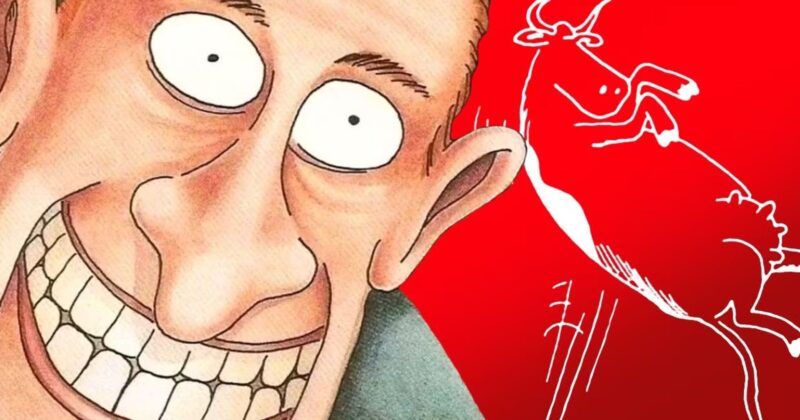
Why The Far Side Redefined Comic Strips from Day One

The Groundbreaking Debut of The Far Side
The arrival of The Far Side marked a seismic shift for newspaper comics. When Gary Larson’s single-panel strip first appeared, it was unlike anything readers had seen before. Instead of the usual gags centered on predictable family dynamics or slapstick animals, Larson’s lens focused on the oddities of life, humanity, and the animal kingdom — often from a sideways, almost philosophical slant. The comic’s impact was immediate, but a deep dive into its formative months reveals a creative process full of experimentation, risk, and lasting innovation.
Early Experimentation: The Far Side Finds Its Voice
The initial batch of The Far Side strips was a whirlwind of fresh ideas and unexpected pairings. The very first cartoon featured crabs reflecting on the weirdness of human children: a clear signal that Larson’s focus would defy expectations. For a comic that would become legendary for its cows and dogs, it’s surprising that these animals were initially rare. In fact, cows — the unofficial mascot of The Far Side — appeared in less than ten strips during the first year. This speaks volumes about Larson’s evolving creative toolkit; he was always reaching for new concepts, and his most iconic tropes hadn’t even fully formed yet.
Diversity of Characters and Situations
Those earliest panels showcased a versatile and daring spirit. The first appearance of a dog took fifteen strips, and an anthropomorphic dog didn’t don a trench coat until several months later. Cats, sharks, snakes, worms, even prehistoric cave-dwellers — all made their entry as Larson experimented with what resonated with readers. By trying out different animals and absurd situations, he slowly mapped the unique world that would become instantly recognizable to future fans.
The Local Phenomenon That Became a Cultural Juggernaut
At first, The Far Side was a local curiosity, running only a few times per week in the San Francisco Chronicle. The reach was limited, and the future of the strip could have easily ended as a regional footnote. But its peculiar, almost subversive tone quickly gained momentum. Larson, then working part-time on the strip, had space for creative exploration — a luxury that faded as syndication and daily deadlines approached, forever changing his workflow. With this early freedom, Larson frequently broke convention, allowing for a greater variety of punchlines and off-kilter one-liners that wouldn’t have survived stricter editorial oversight.
A Dark, Bold Flavor from the Start
The Far Side‘s blend of irreverent humor and the macabre was there from the beginning. Some of the strip’s first year highlights include a murder in the seventh comic, an organized crime parody with a canine victim, and even a nuclear explosion. No topic seemed taboo, and Larson’s boldness helped define a generation’s sense of humor. In this, the strip can be compared to legendary TV comedies that stumbled through their initial phase before revolutionizing popular culture once their essence crystallized.
Anonymous Characters, Enduring Tropes, and a Unique Visual Language
The anonymity of many first-year characters strengthened the strip’s universal appeal. Humans, animals, and even supernatural beings — like the Devil, who debuted early on — populated Larson’s world as stand-ins for universal fears, quirks, and questions. The visual style itself evolved rapidly, moving from rough sketches to the more polished, instantly recognizable look that would soon fill newspaper pages across the country. Each panel was a self-contained oddity, often concluding without a named character or continuing storyline, keeping the focus on the bizarre moment itself rather than ongoing narratives.
Seeds of an Influential Legacy
The Far Side quickly set itself apart with its willingness to push boundaries both visually and thematically. Its foundational months laid the groundwork for one of the most influential runs in comic history, which not only inspired countless imitators but also cemented Gary Larson’s status as a cultural icon. The sense of discovery, risk, and candor in those early panels remains a masterclass for aspiring creators everywhere — demonstrating how a strip that dares to be different can forever alter the landscape of popular media.