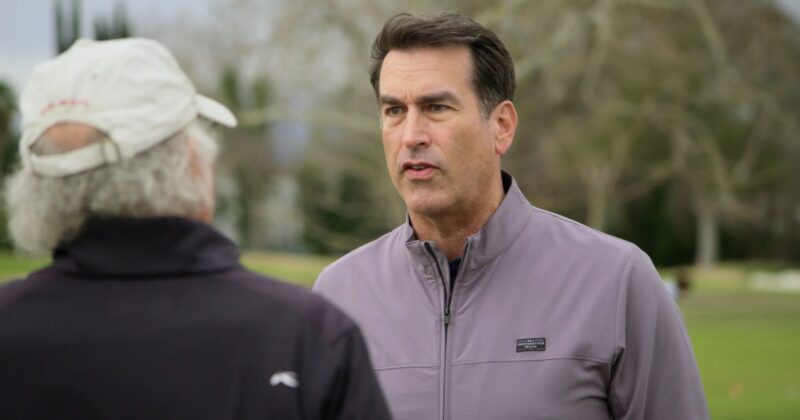
The Pirate King: Rob Riggle’s Emotional Return from Comedy to a Deeply Personal Role

Rob Riggle Rediscovers His Roots in The Pirate King
Fans of modern TV comedy know Rob Riggle for his improv timing and big-screen laughs, but there’s a layered history beneath his punchlines. Riggle isn’t just a comedic powerhouse—he’s a decorated military veteran, having served more than two decades in the U.S. Marine Corps. After years spent embodying authority figures and lovable nuisances on screen, Riggle takes on one of his most personal roles yet: Todd, the protagonist of the new dramedy The Pirate King.
From Battlefield to Big Screen: Portraying a Troubled Marine
At first glance, Todd may appear as another comedic creation—a damaged Marine vet whose life, spiraling from PTSD and addiction, finds an unlikely second act among an eccentric band of pirate re-enactors. But for Riggle, the role is more than just performance; it draws upon his lived experience among veterans navigating the challenges of post-service life. Todd’s journey isn’t just escapism—it’s about rediscovering purpose, fighting for family, and grasping the possibility of redemption in the unlikeliest places. As the story unfolds, themes of self-acceptance, resiliency, and healing resonate not only with veterans but with anyone facing life’s harder resets.
The True Story and Real-World Inspiration Behind The Pirate King
The emotional authenticity at the film’s heart is no accident. Written and directed by Josh Plasse, The Pirate King is inspired by the real-life struggles of Plasse’s own uncle—a Marine and pirate re-enactor—and the stories of many veterans’ families, some marked by loss to suicide. The development of the film took shape as Plasse and his team undertook a “rock run” for suicide awareness, partnering with Stop Soldier Suicide. Interviews with survivor families, shared on camera, provided firsthand commentary on grief, resilience, and messages for others walking the same hard path. Plasse wove together these voices to build Todd’s narrative, blending raw truth with cinematic vision.
Building Community: Film as a Catalyst for Action
What sets The Pirate King apart among military and veteran-centered dramas is not only its star power—Jordana Brewster, Matt Barr, and Billie Lourd join Riggle in the crew—but its dedication to activating viewers. At the end of every screening, audiences are shown a QR code with a direct link to practical resources for those impacted by veteran suicide and PTSD. Stop Soldier Suicide stands front and center, providing actionable avenues for getting help or getting involved. Riggle emphasizes that connecting, reaching out, or even simply starting a conversation is often the most pivotal step for those struggling in silence, whether from combat-related trauma or other forms of PTSD.
Premiere at SXSW: Where Tech, Film, and Human Stories Converge
Debuting at the renowned SXSW Conference in Austin—an event where the boundaries between technology, creative storytelling, and social advocacy blur—the film landed among the year’s most anticipated indie showcases. The festival’s environment, known for its mix of emerging talents, boundary-pushing narratives, and big cultural moments, proved the perfect launchpad for a film that asks audiences to rethink how they support veterans both on and off screen. The Pirate King is now awaiting its global release, its message already stirring conversations at the crossroads of pop culture and real-world issues.
Why The Pirate King Matters in 2026
As the portrayal of veteran stories on screen continues to evolve beyond archetypes and stereotypes, The Pirate King stands out for its fusion of humor, pathos, and advocacy. By threading together real veteran experiences with metaphorical and literal journeys for second chances, the film sets a new bar for authentic, meaningful storytelling in the era of transformative media. For anyone interested in where modern filmmaking, technology-driven social action, and compassionate narratives intersect, this is one release to watch—but more importantly, to feel.