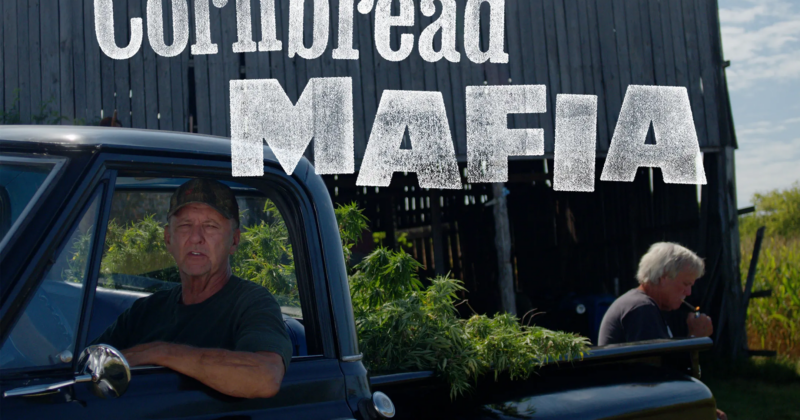
Cornbread Mafia: The Untold Tale of Outlaws, Cannabis, and Lions in American Folklore

The Legendary Origins of the Cornbread Mafia
If you grew up in rural Kentucky, the stories of the Cornbread Mafia aren’t just urban legends—they’re woven into local culture. Decades before Netflix made true-crime documentaries cool, the Cornbread Mafia’s exploits were whispered at back porches and local diners: a renegade band of friends-turned-fugitives running vast cannabis fields, outfoxing local police, and giving rise to a mythic name that would one day become a documentary centerpiece.
A Director’s Personal Connection to Kentucky’s Wildest Story
That personal investment inspired filmmaker Evan Mascagni, whose connections to Marion County gave him an insider’s curiosity for the lore. In the region, even those only loosely involved in the cannabis scene had heard the name, though few details were ever clear. Partnering with Drew Morris—another seeker of truth in the tale—the documentary was born out of persistence, local network, and a shared fascination with how the legend grew beyond mere gossip.
The Real Story Behind the Cornbread Mafia Name
There are rumors, but Joe Keith, a core member, believes only one story tells it right. Flash back to the late 1970s: during a crackdown on marijuana cultivation in Nelson County, most of the crew—after a series of police raids—found themselves locked up. Yet, fueled by news that a massive crop was left untouched (as local officers were busy tuning in to a boxing bout), they hatched a daring plan to reclaim and harvest the remaining field right under the sheriff’s nose. During these frantic hours, one conspirator quipped, ‘What we got here is our own little Cornbread Mafia.’ Despite federal law enforcement later dating the group’s origin to the late ’80s, founding members insist the roots dig much deeper—a core narrative that the documentary passionately unpacks.
How Big Cats and Bears Became Unexpected Players
One of the doc’s most jaw-dropping twists isn’t about drugs or police stings, but exotic animals. The tale reads like an episode of ‘Tiger King’ gone haywire. While evading federal sentencing, Bobby Joe Shewmaker, in search of new business and livestock, unwittingly stumbled upon a cougar. This serendipitous visit soon escalated—by day’s end he had a lead on African lions for sale in Kansas and, embracing the chaos, returned sporting two lion cubs (and later a bear) as the most unconventional “security system” in American crime folklore.
Lions on the Lam—And a Federal Takedown
The FBI and DEA had long trailed the group’s sprawling cannabis operations across multiple states. But it was the lions, transferred from farm to farm and owner to owner, that helped authorities build links between criminal activities in Kansas and Kentucky. Prosecutors used the movement of these animals—one cub gifted from Bobby Joe to Jimmy Bickett—as crucial evidence to map out a national conspiracy.
A Chase that Captured America’s Imagination
The saga became a high-stakes game of cat and mouse—not only between the outlaws and the law but among themselves, as members dodged federal agents, swapped wild animals, and crafted elaborate stories to cover their tracks. Jimmy Bickett’s attempt to trade a troublesome female lion—while evading marshals and game wardens—adds surreal comedy to an already unbelievable narrative, underscoring the unique perspective the documentary delivers on Southern outlaw culture and the real Americans who lived it.