The Mandalorian: How Star Wars’ Most Popular Show Splintered Its Fandom

The Mandalorian: From Cultural Phenomenon to Fanbase Fracture
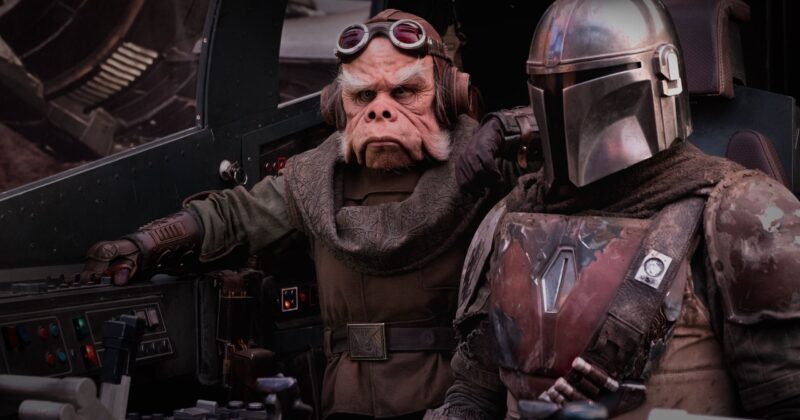
The Mandalorian was once synonymous with Star Wars redemption. The arrival of Din Djarin and Grogu didn’t just captivate established fans—it shattered streaming records and pulled in audiences who previously gave a hard pass to galactic sagas. When the first season premiered, Baby Yoda memes dominated timelines, and Pedro Pascal’s helmeted bounty hunter quickly became an icon. It was a show tailor-made for both purist Star Wars fans and those looking for approachable, episodic sci-fi adventure that didn’t require a PhD in the Skywalker family tree.
What Made The Mandalorian So Irresistible?
These opening seasons delivered the kind of balance the Star Wars universe often struggles to achieve. With each episode, the series carved out new lore, embraced the Western and samurai influences of the original trilogy, and introduced a parade of unique characters. Grogu served as an adorable bridge, drawing in viewers with little interest in the Force or Jedi politics. Meanwhile, Din Djarin’s solitary journeys offered classic, serialized escapism—monster-of-the-week episodes executed with style and heart.
Major streaming platforms scrambled to replicate this model, but nothing matched The Mandalorian’s magic. Unlike post-Clone Wars series like Rebels or the fan-targeted Ahsoka, The Mandalorian had universal appeal, a striking rarity in modern franchise IP.
Season 3: When the Helmeted Star Lost Its Shine
Yet, the moment Disney doubled down on expanding the so-called Mandoverse, the show’s once tight narrative focus began to blur. The craze to connect dots across the Star Wars tapestry resulted in cross-pollination with The Book of Boba Fett and Ahsoka. Suddenly, pivotal storyline decisions for Din Djarin were offloaded to another series entirely, leaving core fans bewildered and part-time viewers out of the loop.
By the third season, Din’s alliance with Children of the Watch and the doubling down on helmet rules felt regressive to his personal journey. The spotlight shifted dramatically to Bo-Katan Kryze, sidelining Din in what was once his own saga. Recurring references to legacy elements, from the Clone Wars to expanded universe icons, risked alienating newcomers and made it harder for casual audiences to reengage.
The result? A sharp divide in the fandom. Where once the series united generations, now debates raged on character focus, storyline choices, and the heavy integration of franchise lore. Though viewership numbers remained strong, The Mandalorian lost the cultural ubiquity that had made it a sensation.
Does The Mandalorian and Grogu Have a Shot at Rekindling the Magic?
The upcoming movie The Mandalorian and Grogu isn’t just another franchise spinoff—it’s the next big screen hope for Star Wars as a whole. The stakes couldn’t be higher: following a string of polarizing series and underwhelming movie finales, Disney is betting this film can recapture hearts and reignite crossover buzz. For a franchise as sprawling as Star Wars, this theatrical return is a recalibration moment, determining the shape of future stories and strategies.
Cautious optimism surrounds this project. Signs indicate a renewed focus on the dynamic duo of Din Djarin and Grogu, returning to the core chemistry that once transcended fandom boundaries. Centering conflicts around the Imperial Remnants could deliver the straightforward, high-stakes storytelling that worked so well before. Fans, however, are wary: cameos from deep-cut legacy characters hint at the kind of franchise entanglement that dulled the show’s broad allure.
For many, whether or not The Mandalorian and Grogu revives the show’s universal draw will predict not just the fate of this duo, but the future direction of all Star Wars media on the horizon.