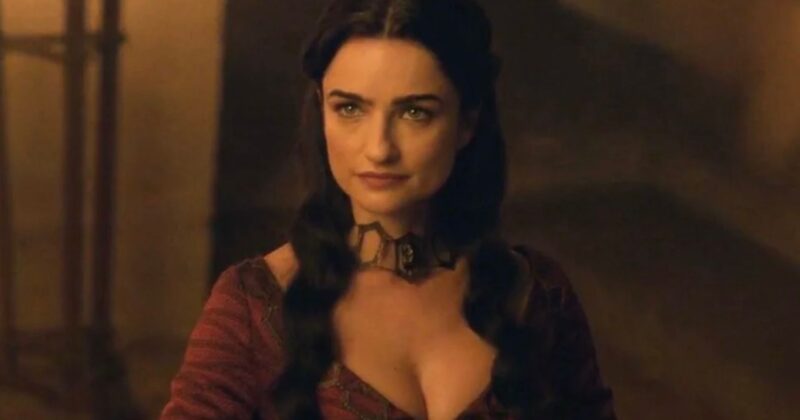
How HBO’s Game of Thrones Forever Changed Fantasy TV and Pop Culture

The Turning Point: How Game of Thrones Reshaped Fantasy Television
The world of television fantasy was once synonymous with family-friendly epics and sanitized adventures, until HBO’s daring series shattered the mold. From the outset, Game of Thrones plunged audiences into a realm marked by moral ambivalence, political intrigues, and a level of violence that unapologetically called to adults, not children. This calculated risk pushed the boundaries of what mainstream audiences expected from fantasy, vaulting the genre into new creative territory.
Breaking Away From Tradition
For years, the fantasy landscape on TV was populated by shows like Xena: Warrior Princess and Merlin—comfortable, mythic, and generally suitable for family viewing. HBO upended this convention by adapting George R.R. Martin’s A Song of Ice and Fire saga into a sprawling production rich with complexity, plot twists, and unflinching realism. It was not just the violence or mature content; it was the distinct willingness to subvert fantasy tropes, as seen in the shocking death of major characters like Ned Stark, which marked a profound departure from predictability. Overnight, the expectation that heroes would always prevail was erased, drawing viewers into an uncertain, intriguing narrative space.
Adult-Focused Storytelling: A Gamble That Paid Off
When HBO committed vast resources to the show—lavish sets, intricate costumes, high-end CGI—it signaled confidence in mature, ambitious storytelling. The stakes became as high off-screen as on, with the series needing a substantial audience to justify its immense budget. But the gamble worked: Game of Thrones quickly became a cultural juggernaut, earning critical acclaim and giving rise to careers spanning Hollywood and beyond. Its unmistakably adult tone wasn’t just an aesthetic; it was a revolution that inspired future programming and altered how networks viewed the fantasy audience.
Legacy and Ripple Effect Across the Industry
The success of shows like The Walking Dead hinted that mature genre content could break through, but Game of Thrones blazed a trail for unapologetically R-rated fantasy that would ultimately shape the industry’s future. Spinoffs like House of the Dragon and A Knight of the Seven Kingdoms have continued this tradition, maintaining high levels of intrigue and mature content that keep viewers engrossed—and often shocked. Meanwhile, shows such as Outlander, Arcane, Castlevania, The Witcher, and even animated offerings like The Legend of Vox Machina owe a creative debt to Game of Thrones’ uncompromising vision. These series embrace mature themes and complex narratives, pushing fantasy well beyond its former limits.
Rewriting the Rules for Fantasy on Television
As studios continue exploring high-budget, adult-oriented fantasy worlds, the lessons of Game of Thrones endure. The show demonstrated that audiences were eager for complicated characters and gritty plots, not just magic and dragons. Today, the thriving ecosystem of adult fantasy series stands as a testament to the groundbreaking achievement of HBO’s mega-hit—a reminder that television, when bold enough to challenge its conventions, can expand the boundaries of imagination and storytelling for generations to come.