The Fox: Olivia Colman Leads a Wild Fantasy Comedy With Unforgettable Practical Effects

Olivia Colman’s Talking Fox and the Offbeat Magic Behind the Movie
An Australian fever dream blending satire, folklore, and the surreal, The Fox is Olivia Colman’s latest leap into the world of fantasy comedy. This film steers audiences directly into the absurd, guided by Colman as the cunning voice of a talking fox. But what truly sets The Fox apart isn’t just its outlandish premise—much of the storytelling magic comes from its roots in local myth and a strong foundation in practical effects.
Magic Holes, Mischief, and Transformation
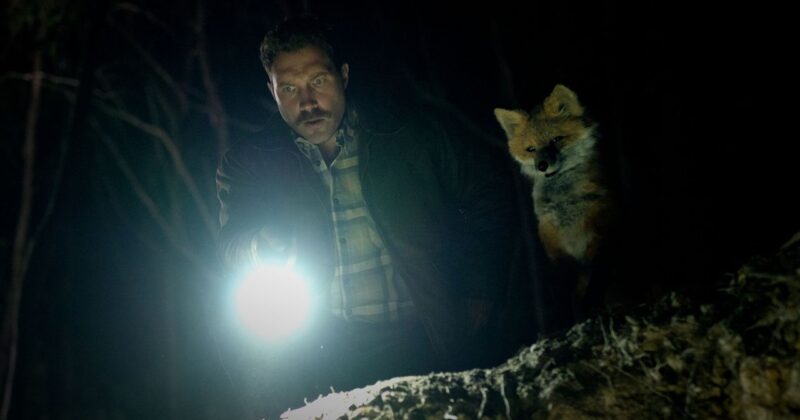
If you expect straightforward storytelling, prepare for a wild detour. The film centers on Kori (Emily Browning), her affably clueless fiancé Nick (Jai Courtney), and the chaos unleashed by a self-absorbed coworker, Derrick (Damon Herriman). In a desperate bid to mend his crumbling relationship, Nick is lured by the fox into using a mysterious «magic hole»—a supernatural pit promising transformation, but not necessarily the kind anyone would want. The film’s irreverent approach is anchored in satirical commentary on folklore, with the fantastical elements adding layers of unpredictability and delight.
A Real World Inspiration (With Tongue Firmly in Cheek)
Director Dario Russo describes the origin story as an exaggerated take on down-under folklore, where trusting talking foxes and testing out magical solutions is apparently more common than you’d think—at least in the tongue-in-cheek telling he shared from SXSW. Russo jokes about Australia’s oddball relationship with wildlife, comparing the film’s fox to America’s wily coyotes, both notorious for mischief and misdirection. This playful sense of cultural specificity oozes through every moment, offering a uniquely regional flavor wrapped in universal absurdity.
Emily Browning’s Transformation: More Than Meets the Eye
Emily Browning steps into unfamiliar territory, quite literally, describing her role as a kind of rebirth—like «someone who has not been in a body before.» The transformation sequence, central to the movie’s chaos, is at once comedic and deeply odd. Browning credits the script itself as the guiding force for her nuanced performance, proof that sharp writing can be as transformative for actors as any Hollywood visual effect.
Puppets, Practical Effects, and Cinematic Nostalgia
One of the movie’s standout technical choices is its embrace of practical effects. Russo, inspired by classics like Jurassic Park, Jaws, and Alien, made the deliberate decision to employ puppetry rather than rely solely on CGI. From The Muppets to Sesame Street and Fraggle Rock, entire generations have learned to connect emotionally with puppet characters. That’s the same nostalgic alchemy at work in The Fox, where intricate animatronics help bring animal cast members to vivid, expressive life.
Olivia Colman’s performance as the fox started with early script reads and was then layered onto the on-set magic by a dedicated puppeteer team. The process allowed actors to react in real time to a living, moving creation—not just a tennis ball at the end of a stick. Claudia Doumit, who plays Diana, called out how surprisingly easy it was to emotionally connect with the film’s animatronic creatures, reinforcing why practical effects still matter in an age of hyper-polished visuals.
Casting Magic: Olivia Colman’s Instant Attachment
The journey to securing Olivia Colman as the star voice was refreshingly direct—her instant affinity for the script led her to jump on board. The collaborative spirit of the project is reflected in every aspect of production, from Zoom rehearsals to post-production sessions syncing Colman’s voice with breathtaking puppet work. The energy and unpredictability Colman brings echoes through each scene, setting the playful, chaotic tone that defines The Fox.
On-Set Alchemy: Actors and Animatronics
The presence of working animatronics on set deeply influenced the actors’ performances. Scenes with the fox or the magpie (another talking animal character) became unexpectedly immersive. Dougmit describes the puppeteers’ choreography as «a marriage» of movement and timing, with wing flaps and beak snaps coordinated seamlessly. For actors, this raised the level of authenticity and engagement far beyond what’s possible with green screen alternatives. Browning, even in scenes without puppets, lingered on set just to watch the artistry unfold.