The Shelf Life of 27 Dresses: Nostalgia Meets Streaming Power
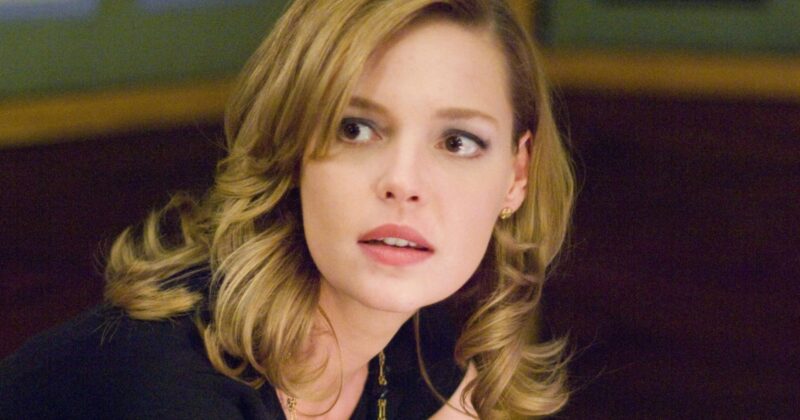
Once a staple of mid-2000s romantic comedies, 27 Dresses is back in the spotlight, finding surprising new life on Netflix’s trending charts. Led by Katherine Heigl at the height of her career and written by Aline Brosh McKenna, the mind behind The Devil Wears Prada, the film blends familiar faces with a high-concept, visually irresistible premise. For viewers seeking comfort cinema and star-studded nostalgia, it’s understandable why Jane’s bridesmaid marathon still resonates — almost two decades after its theatrical release.
How 27 Dresses Married Star Power and Box Office Magic
At a time when Hollywood was investing big in women-driven comedies, Heigl’s switch from TV drama in Grey’s Anatomy to the rom-com scene was particularly strategic. James Marsden adds chemistry and wit to the equation as her love interest, while Judy Greer, always scene-stealing, brings extra flair. Commercially, the formula worked: 27 Dresses grossed over $160 million globally, proving that audiences were, and still are, drawn to quirky romance packaged with big talent and relatable life chaos.
What Keeps Audiences Clicking ‘Play’?
Part of 27 Dresses’ streaming resurgence is its algorithmic appeal. On Netflix in 2026, recognizable stars and a feel-good plot make for perfect background viewing, but social media is also fueling its revival. Viral discussions pit nostalgia against criticism, dissecting whether the film has genuinely stood the test of time or if it lands more as a love letter to problematic rom-com conventions of the 2000s.
The 2000s Rom-Com Blueprint: Comfort, Charm, and Outdated Tropes
It’s impossible to talk about 27 Dresses without addressing its quintessential 2000s tropes. Scenes like the now-iconic bridesmaid dress montage and the bar duet to ‘Bennie and the Jets’ are pure comfort food for genre fans. But the film’s DNA is deeply rooted in an era of rom-com storytelling where formulas often trumped evolution.
At the story’s heart, Jane — deftly brought to life by Heigl — is the textbook early 2000s rom-com heroine. Her perpetual sacrifices for others and the suggestion she must pick between career and romance speak directly to a period when female agency was often boxed into narrow lanes. Even years ago, the ‘pick me girl’ undertones and rivalry-driven comedy felt retrograde. The script flirts with satirizing the wedding industry but never fully commits to a fresh critique, leaving us with affectionate but outdated gender politics. Compared to modern genre entries that prioritize empowerment, 27 Dresses is a fascinating artifact of its time.
A Cult Favorite with Both Heart and Flaws
The film’s enduring appeal can’t be denied. Aside from its commercial success, its most rewatchable strengths are the chemistry between the cast and its bright, inviting aesthetic. Marsden’s casual charisma, Greer’s comic edge, and Heigl’s relatable vulnerability combine for moments of pure rom-com magic — even if the script sometimes stumbles over manufactured drama and mismatched tone, like the infamous sister betrayal subplot played for laughs rather than empathy.
Debate rages on: are these dated elements charming or cringeworthy? If nothing else, 27 Dresses serves as an essential reference point for how the genre has shifted. With fewer big-budget rom-coms released in theaters today, streaming is the new home for these comfort classics, and their algorithm-driven resurgences open up lively conversations about what love stories mean to new audiences.
Explore More on Romantic Comedies and Streaming Trends
If you crave deeper dives into rom-com nostalgia, the cyclical nature of streaming hits, and the ever-changing vocabulary of romance on screen, stay tuned for focused coverage and critical analysis of streaming and classic film phenomena through a contemporary lens.