Chainsaw Man’s Finale: Denji, Power, and a Bittersweet Reset Explained

The Surreal Climax: What Really Happened to Denji?
The finale of Chainsaw Man stunned readers with choices that felt as wild and unpredictable as Denji’s journey itself. After years of chaos and carnage, everything hinged on a heartbreaking twist: just as Denji was on the verge of an intimate moment with Yoru, a sudden attack by insect Devils snatched victory away. Out of this trauma emerged Pochita’s profound realization—Denji, broken and battered by the world, might have been better off never having received the devil’s power in the first place.
In an act that redefines self-sacrifice, Pochita erased himself completely, pulling off a reset not just for Denji, but for the timeline itself. Gone was Denji’s supernatural existence, and suddenly, the narrative flashed back years to his days mired in yakuza debt—only nothing played out quite like before.
A Fresh Start With Familiar Faces
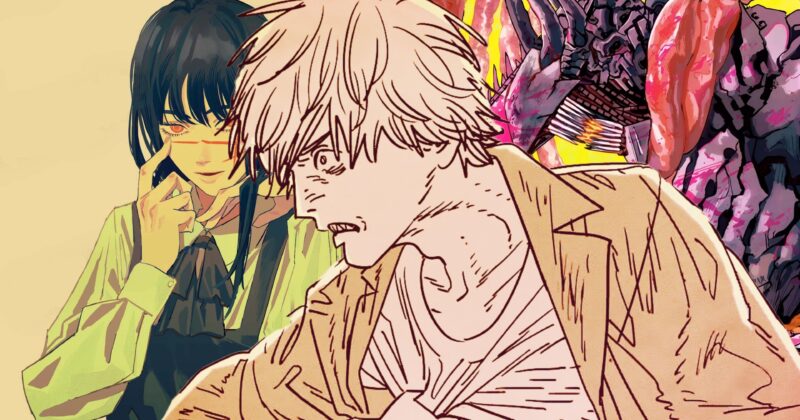
As the story rewound to its origin, Power unexpectedly took on a pivotal role. When Denji faced the Zombie Devil, it was not Pochita who came to his rescue, but Power. The two then entered the world of Devil Hunting together, but with the enigmatic Nayuta now acting as their handler—a surprising shift, replacing Makima in this reborn reality.
It’s a fascinating scenario: Denji is still haunted by echoes of his Chainsaw Man past, especially in a moment where Asa—accompanied by the Chicken Devil, Bucky—recognizes him as the infamous Devil Hunter when she notices the chainsaw he’s holding. This instant of identity, however, flickers and fades, underlining the series’ ongoing dance with fate and memory. The closing vignette, with Denji and Power heading out for a meal and Denji’s wistful glance at Asa, leaves fans with a true bittersweet tone. Life moves forward, but the scars and longings remain.
The Python of Bittersweet Closure
Chainsaw Man’s ending is neither neat nor entirely uplifting, but it is uniquely true to the chaotic spirit of the series. The narrative spares no one from its harsh reality: Denji’s world may have been reset, but not scrubbed clean. Instead, he regains precious connections to Power and Nayuta, and there’s a sense of old wounds healing, though never fully. Asa, too, finally finds acceptance and a chance at happiness, ending her cycle of isolation and violence. Yet, the world they inhabit continues to teem with uncertainty and quiet menace—perfectly in tune with Tatsuki Fujimoto’s approach to existential storytelling in contemporary manga.
A Meta Sacrifice and Series Legacy
Pochita’s deletion isn’t just plot; it serves as meta-commentary on Denji’s never-ending struggle for happiness. The devil’s selflessness, willing to disappear entirely for Denji’s wellbeing, cements Chainsaw Man’s place among modern manga for its willingness to twist convention without losing sight of its characters’ emotional realities.
Still, not all fans feel satisfied. The final stretch leading to chapter 232 has been divisive—criticized for underdeveloped arcs and squandered potential, particularly in part 2. The emotional payoff is powerful for those who resonated with Denji’s journey, but others point to the meandering pacing and fleeting character growth as missed opportunities. These debates amplify Chainsaw Man’s standing in pop culture, alongside its successful anime and the anticipation for the next movie arc focused on Reze.
What Comes Next for Chainsaw Man?
With the conclusion still fresh, talk swirls around future projects, including the upcoming Chainsaw Man – The Movie: Reze Arc. The anime adaptation has attracted global fandom, setting expectations high for what’s ahead. Voices from across the anime and manga community continue unpacking and reinterpreting the finale, ensuring the conversation won’t die down soon—just as Denji’s story never truly settles, but lingers at the edge of hope and heartbreak.