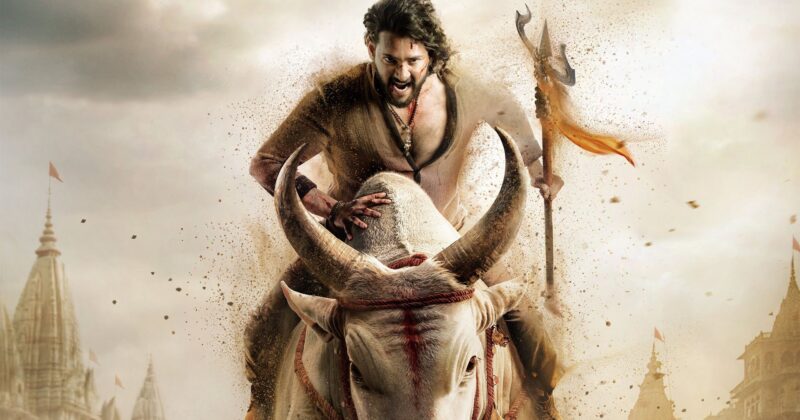
Inside ‘Varanasi’: SS Rajamouli’s Visionary Rebirth of India’s Spiritual Heart for Cinema’s Next Epic

SS Rajamouli Resurrects Varanasi for the Silver Screen
Few directors inspire the same reverence in Indian cinema as SS Rajamouli. The creative force behind global sensations like RRR and the Baahubali saga has now set his sights on a new cinematic adventure: Varanasi. The scope is mythological, the reach is global, and the scale—both narrative and technical—is staggering.
A Stellar Cast in a Monumental Setting
Starring Mahesh Babu—synonymous with Telugu blockbusters—and marking the triumphant return of Priyanka Chopra Jonas to Indian cinema, the film also brings the formidable Prithviraj Sukumaran as its central antagonist. This star-studded constellation lights up a story that traverses time and geography, leaning into the intersection of epic action and spiritual drama.
Rebuilding the Spiritual Capital—Brick by Brick
Rather than shooting extensively in the real-life Varanasi—a city revered across India and home to centuries of uninterrupted pilgrimage—Rajamouli and his production team made the audacious call to rebuild the city from scratch. The issue was as much ethical as logistical; preserving the sanctity of Varanasi’s ancient rituals and daily spiritual flow was paramount. What rose in Hyderabad’s backlots is, quite literally, a city within a city: a life-size recreation designed to immerse audiences in the soul of India.
According to the film’s line producers, numerous structures on set had to be engineered at about 70% of actual size to fit the available studio grounds, yet the sense of awe remains undiminished. From bustling ghats to labyrinthine alleys, it’s a set engineered for both grandeur and fidelity, supporting a shoot schedule spanning nearly two months and capturing major action as well as emotional sequences.
Technical Marvels and Practical Magic
While past epic productions have scouted the four corners of the world, Varanasi stands out for its on-location ambition. Highlights include sequences in Kenya and an unprecedented slate of filming scheduled for Antarctica—making it one of only a handful of films worldwide to conquer the white continent. The recreated Varanasi set itself serves double duty: the design has been crafted to shift across two different eras.
- In the present-day storyline, set pieces appear vibrant and in use, channeling the dynamic pulse of a living city.
- For period scenes, the crew physically alters major buildings, even sinking entire structures up to 12 feet to recreate historic flood levels and timeworn foundations. When the narrative returns to modernity, these elements are meticulously reassembled and restored.
This architectural choreography demonstrates a dedication to storytelling detail rarely equaled, blending classic set-building techniques with innovative modular design.
A Sacred Story Cloaked in Secrecy
If Rajamouli’s previous epics are known for their narrative twists and grand reveals, Varanasi takes production secrecy to the next level. Cell phones are strictly banned on set, and information leaks are guarded against with military precision. Such security only fans the flames of anticipation as glimpses of the recreated city and whisperings from principal photography hint at a mythological tale destined to set new benchmarks for Indian—and global—cinema.
As the release date draws nearer, fans of visionary filmmaking, epic drama, and the intersection of myth and modernity are watching closely. With Rajamouli at the helm, Varanasi promises a spectacular journey through time, culture, and the very heart of Indian spirituality.