Batwheels Introduces the Tumbler: A Modern Nod to The Dark Knight Legacy
There are certain aesthetics and designs from superhero history that simply don’t fade, and the Tumbler—Batman’s militarized Batmobile from The Dark Knight trilogy—remains one of those instantly recognizable silhouettes in pop culture. Now, with the third season of Batwheels available on HBO Max, younger audiences are being introduced to this legendary vehicle, while older fans enjoy a stroke of nostalgia fused with fresh, animated energy.
The Timeless Appeal of Nolan’s Batmobile
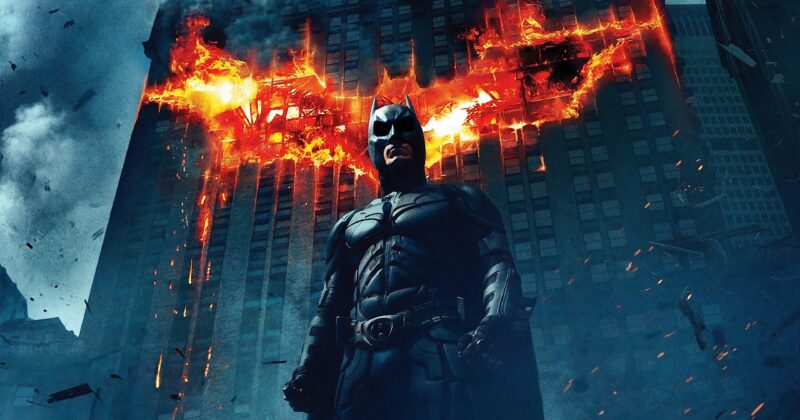
Director Christopher Nolan’s vision didn’t just give Gotham a new hero—it redefined what the Batmobile could be. The Tumbler’s tank-like build, advanced gadgetry, and utilitarian brutality made it a cultural touchstone, frequently referenced both on screen and in merchandising. That innovative spirit resurfaces in Batwheels, where the Tumbler makes its animated debut in the episode aptly named ‘The Tumbler Begins.’
Batwheels: Animated Reinvention for All Ages
Unlike the gritty realism of Nolan’s trilogy, Batwheels is distinctly stylized for a younger demographic—yet the show makes room for the franchise’s classic elements. The team of sentient vehicles includes Bam (the core Batmobile), Red (Robin’s car), and Bibi (Batgirl’s motorcycle), all voiced by a dynamic cast including Ethan Hawke as Batman. When the Tumbler joins their ranks, fans both new and long-time immediately notice: while its design stays true to its cinematic roots, this Tumbler features expressive eyes and the ability to speak, adding character and accessibility for its younger audience.
Comparing Batmobiles: Animated Adventures vs. Live-Action Evolution
Batmobiles have always shifted in style to reflect their era, from the sleek, stylized lines of animated classics to the grounded, DIY muscle car approach introduced most recently by Matt Reeves. In Reeves’ universe, the Batmobile is a custom build—raw and real, something Bruce Wayne could logically construct on his own. While this new take leans heavily into realism, the inclusion of the Tumbler in Batwheels serves as a reminder that Batman’s arsenal is rich and adaptable, able to flex from animated fantastical to hyper-real action depending on the story being told.
The Tumbler as a Bridge for Generations of Fans
A key reason for the Tumbler’s lasting popularity is its modular storytelling potential. Whether it’s tearing through Gotham in a high-octane chase or serving as the centerpiece of a young viewer’s animated adventure, the Tumbler is flexible enough to play many roles. Its return in Batwheels is more than a simple homage; it’s an active connection between Batman’s lore for long-time cinephiles and a playful point of entry for kids discovering Gotham for the first time.
Technical Craft and Cultural Impact
Bringing the Tumbler into Batwheels is not just a creative win—it’s a technical one too. The animators capture its distinctive armor plating, angular lines, and robust presence while giving it a softness through digital “faces” and emotive voice work. This duality exemplifies how today’s superhero content balances nostalgia with innovation, keeping perennial icons both fresh and relevant across platforms and audiences.
What’s Next for Batman’s Vehicles?
As the animated and live-action universes continue to evolve, each new iteration of Batman’s car—whether a throwback like the Tumbler or a brand-new concept—reflects broader trends in both design and storytelling. With Batwheels, the DC universe proves that legacy should not be static. Instead, it adapts and playfully reinvents, allowing even the most iconic Batmobiles to take center stage for generations to come.