The Cancellation of Star Trek: Starfleet Academy and the Abrupt End of Trek’s Distant Future

Star Trek: Starfleet Academy—A Series That Dared to Explore the 32nd Century
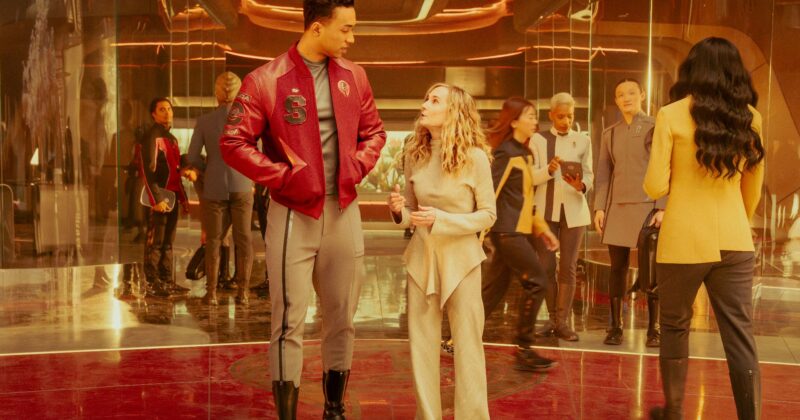
For decades, the Star Trek franchise has consistently pushed the boundaries of science fiction, not just in its storytelling, but in its approach to time and continuity. With Star Trek: Starfleet Academy, fans witnessed an ambitious leap into the late 32nd century—a setting that represented the farthest point in the canonical Star Trek timeline. Built directly on the narrative foundation of Star Trek: Discovery, the Academy series offered fresh perspectives in an era often viewed as controversial for its technological advances and bold creative choices.
The Narrative Vision—New Frontiers and Old Wounds
The storyline picked up after the galactic upheaval known as The Burn, which left the United Federation of Planets fractured and scattered. The main character, Commander Michael Burnham, and her crew were tasked with solving this cosmic mystery and setting the stage for a hopeful Federation revival. Starfleet Academy shifted the focus to a new generation of cadets, resuming the organization’s storied legacy in San Francisco, Earth, as its original location made a celebrated return. The optimistic Federation expansion and alliances, especially after defeating the villain Nus Braka, underlined the series’ intention to imagine a vibrant future for the galaxy.
Canceled Before the Next Generation Could Emerge
The unscheduled end of Star Trek: Starfleet Academy after just two seasons means fans won’t see the Academy’s class of the future rise to command ships or take on their own interstellar challenges. Characters like Caleb Mir, Genesis Lythe, Darem Reymi, and Jay-Den Kraag were introduced with the promise of evolving into future leaders. Instead, their journeys end midway through their training—an abrupt halt that not only impacts character arcs but also silences ongoing questions about the development of Starfleet itself in an era almost untouched by previous Trek installations.
The 32nd Century: Too Far Beyond for Some Viewers?
The 32nd century’s aesthetic, marked by advanced tech such as personal transporters and programmable matter, as well as radically new starship and uniform designs, polarized the fandom. For many, this era felt a step too far from the classic 23rd and 24th century eras of Trek lore. The concept of The Burn, in particular, never fully clicked with portions of the audience. Despite these challenges, there remained untapped potential in exploring how the Federation would reforge itself after massive devastation, including unique developments like the Klingons’ reinvention as a nomadic society and their acceptance of a new homeworld.
The Real Impact: Lost Stories and Unanswered Potential
While some fans hope the streaming service will allow a final epilogue—similar to the treatment of Discovery—no such plans have been confirmed. This leaves the fate of the current Academy class unresolved, an unusual move for a franchise traditionally committed to evolution and closure. The cancellation effectively erases the ongoing legacy of the 32nd century, shelving a bold timeline that, while divisive, contained bold narrative risks and opportunities unexplored elsewhere in the Star Trek multiverse.
Looking Forward: What’s Next for Star Trek?
Star Trek’s television and cinematic futures remain restless, with speculation likely to intensify over a possible return to more familiar centuries or a complete reboot. Current trends suggest a pivot towards the recently introduced 25th century or settings that evoke nostalgia and proven fan engagement. Yet the cancellation of Starfleet Academy stands as a vivid reminder: pushing boundaries can sometimes mean moving beyond what audiences are ready to embrace, even for a franchise synonymous with seeking out new life and civilizations.