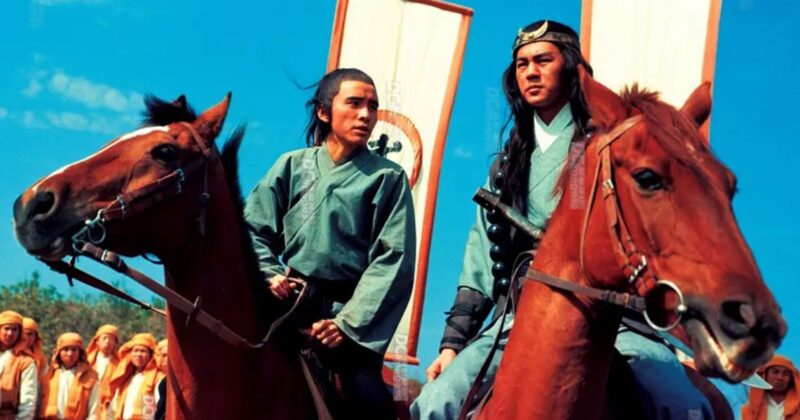
Rediscover the Ultimate Martial Arts Ensemble Saga: The Water Margin & All Men Are Brothers

The Legendary Martial Arts Ensemble Experience
Martial arts cinema is celebrated for unforgettable heroes, intense duels, and choreographed spectacle. Yet, only a few sagas have ever matched the sheer scale and star power found in The Water Margin and its follow-up All Men Are Brothers. These films, adapted from the epic 14th-century Chinese classic, represent the pinnacle of ensemble storytelling in action cinema, bringing together an entire constellation of genre icons under one banner.
A Monumental Adaptation from Martial Arts Royalty
This adaptation unfolds around the exploits of the 108 Heroes, a brotherhood once notorious as outlaws but revered in legend as defenders of justice and honor. Shaw Brothers Studio, a powerhouse in martial arts filmmaking, orchestrated this cinematic spectacle by assembling dramatic landscapes, meticulous costumes, and a sprawling cast. Instead of focusing on a single leading man, the narrative elegantly shifts its spotlight across multiple protagonists, creating a dynamic flow where each hero’s arc builds toward an epic, shared destiny.
Unlike standard kung fu fare, where a lone fighter stands against adversity, here, ensemble storytelling reigns. Characters like Song Jiang, masterfully portrayed by Ku Feng, coordinate strategic missions, ensuring every major player—no matter how briefly sidelined—eventually claims a pivotal role.
Viewing Order and Cinematic Context
The Water Margin kicks off the saga, introducing the chaotic world of China’s legendary rebels as they seek to recruit Master Lu to combat the cunning villain Shi Wengong. The plot’s intrigue is heightened by betrayals, shifting loyalties, and complex character motives, all set amid lush visuals that rival the magnitude seen in fantasy epics.
Following up, All Men Are Brothers delivers a grand finale, reuniting nearly the entire cast for a climactic saga that ties up character arcs and pays off storylines with emotional and physical stakes. For newcomers craving even more backstory, films like The Delightful Forest and Pursuit offer focused prequels on beloved figures Wu Song and Lin Chong, though these stand more as character studies than ensemble-driven adventures.
Star Power & Pop Culture Resonance
What truly elevates these films is their constellation of martial arts royalty. Ti Lung, David Chiang, Chen Kuan-tai, Yueh Hua, Lily Ho, and Danny Lee—all legends in their own right—headline an astonishing roster. Seasoned viewers will recognize many faces from other classic kung fu films, forming a cinematic universe long before such crossovers became standard in modern blockbusters. Even Bolo Yeung, future nemesis of Jean-Claude Van Damme in Bloodsport, shows up as an antagonist, adding yet another layer of cult appeal.
A Grand Sense of Scale
Comparisons to fantasy sagas like The Lord of the Rings aren’t misplaced. The films’ sweeping narrative scope, intricate character webs, and emotionally rich ensemble setpieces echo through the entire experience. Individual heroes come and go, each taking on missions that feed the central narrative, fueling anticipation over which characters will make it to the saga’s blood-soaked, high-stakes conclusion.
Fans of old-school kung fu cinema will find these films to be a treasure trove of expert choreography and dramatic stakes. Emotional investment is built methodically, thanks to sharp writing and the gravity each actor brings. Ultimately, the legacy of The Water Margin and All Men Are Brothers persists not only for their spectacle but also for their influence: these films set the template for how ensemble martial arts storytelling should be done on the big screen, forging a path for ambitious action cinema that still shapes the genre today.