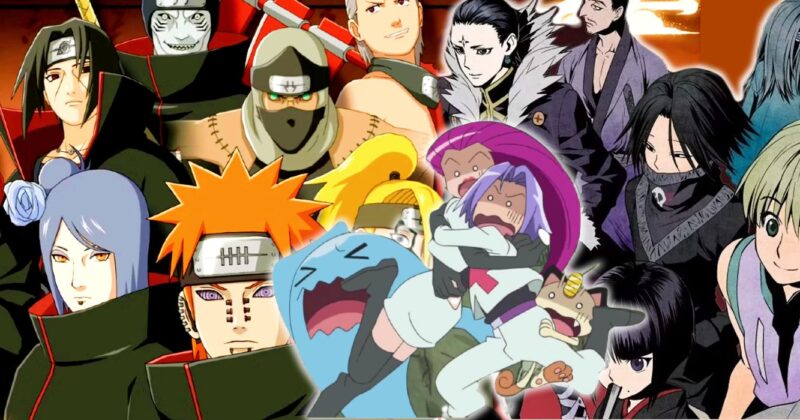
The Most Iconic Anime Villain Teams That Redefined Pop Culture

Legendary Villain Squads that Changed Anime Forever
In the tapestry of anime, few elements stir as much excitement and dread as a masterfully crafted villain group. These collectives are not mere obstacles; they shape story arcs, push heroes to their limits, and, at times, steal the spotlight entirely. The right villain team can elevate an anime from good to unforgettable, with personalities and philosophies that ignite debates and inspire cosplay for generations.
God Hand: The Unfathomable Darkness of Berserk
Among the most disturbing collectives, God Hand from Berserk stands unrivaled in their capacity for cruelty and cosmic manipulation. Five members—Void, Slan, Ubik, Conrad, and Femto—personify raw evil, driven by forces transcending human morality. Their leader, Femto, formerly Griffith, achieved his chilling ascendance through profound betrayal, embodying the series’ exploration of fate, sacrifice, and ambition. God Hand’s narrative weight goes beyond villainy; they haunt every chapter and frame, making Berserk a psychological experience as much as a dark fantasy saga.
The Ginyu Force: Power Meets Parody in Dragon Ball Z
Few villain squads blend menace and absurdity as brilliantly as the Ginyu Force. On the planet Namek, their arrival marks one of Dragon Ball Z’s most memorable and dynamic confrontations. Their leader, Captain Ginyu, wields the iconic Body Change technique, while Guldo’s ability to freeze time and Recoome’s outrageous stamina elevate their threat level—even if their theatrical poses and banter leave fans laughing. The Ginyu Force helped define the balance that Dragon Ball maintains between tension and comedy, crafting moments that are as gif-worthy as they are dramatic.
The Homunculi: Sin Incarnate from Fullmetal Alchemist: Brotherhood
The Homunculi are far more than monsters; they personify the seven deadly sins—Pride, Lust, Greed, Sloth, Wrath, Envy, and Gluttony. Created by Father, their apparent humanity makes their regeneration and brutality even more unsettling. Each Homunculus is a case study in character design and philosophical allegory, delivering not just action but meditations on human nature and desire. Their resilience and ambition push Edward and Alphonse Elric to their intellectual and emotional limits, making each encounter a high-water mark in anime storytelling.
League of Villains: Social Outcasts in My Hero Academia
The League of Villains is a dynamic, evolving entity within My Hero Academia. Unlike many villain groups, they’re not just evil for the sake of conflict—they’re motivated by societal rejection and existential disillusionment. Tomura Shigaraki leads with explosive unpredictability, while Dabi, Himiko Toga, and Twice add psychological depth and formidable quirks. Their presence in the series continually challenges the definitions of heroism, villainy, and justice, keeping viewers on edge as allegiances shift and power structures buckle.
Team Rocket: Lovable Antagonists of Pokémon
In the world of Pokémon, Team Rocket is legendary for their comedic incompetence and nostalgia-inducing catchphrases. Jessie, James, and Meowth are as much a part of the series identity as Pikachu, persistently—and hilariously—failing to capture their targets. Despite their villain status, their persistent optimism and slapstick energy earned them a unique spot in anime fandom, representing a lighter touch on the villain group formula that appeals across generations. Check out the official Pokémon website for more on their wild escapades.
Cipher Pol: Masters of Espionage in One Piece
Rarely do antagonists embody mystery as persistently as Cipher Pol in One Piece. Cloaked in secrecy, their appearance during the Water 7 arc marked a turning point in intensity and narrative complexity for the series. Possessing formidable Devil Fruit abilities and a penchant for subterfuge, Cipher Pol keeps the Straw Hat Pirates—and viewers—guessing about their next move. Their ethos and methods reflect One Piece’s darker undertones, making each encounter with them a game of high-stakes chess.
The Espada: Bleach’s Faces of Despair
For many Bleach fans, the arrival of the Espada triggered some of the series’ most epic confrontations. A ten-member squad under Sosuke Aizen, the Espada each represent a unique philosophical aspect of death—a fitting theme for Bleach’s exploration of mortality. Their distinctive designs and complex motives, from Ulquiorra’s existential nihilism to Grimmjow’s hunger for battle, turn every battle into a clash of ideals as much as swordplay.
The Phantom Troupe: Outlaws of Hunter x Hunter
The Phantom Troupe exemplifies the danger and allure of criminal brotherhood. This spider-themed gang operates in shades of grey, driven by ambition and loyalty to their enigmatic leader, Chrollo Lucilfer. The Troupe’s unpredictability keeps even the main cast—and the fandom—on edge. Their backstories are veiled in secrecy, their powers staggering, and their impact on the world of Hunter x Hunter undeniable.
The Twelve Demon Moons: Relentless Foes of Demon Slayer
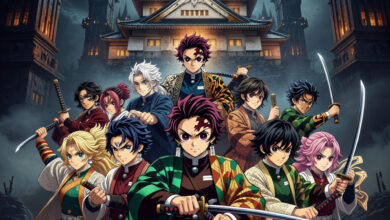
No discussion of modern villain teams is complete without The Twelve Demon Moons from Demon Slayer. Handpicked by Muzan Kibutsuji, these demons are marked by their rank and measure their right to exist by their power alone. The insidious strength of the Upper Six, in particular, sets a new bar for shonen antagonism, as each encounter with the Demon Slayers pushes the boundary of animation and narrative brutality in contemporary anime.
Every new anime season brings fresh villain groups eager to join this iconic lineup. Yet, these titanic ensembles continue to inspire passionate debate, fan art, and analysis—reminding us that the shadows of fiction, when crafted with care, leave a lasting mark on pop culture itself.