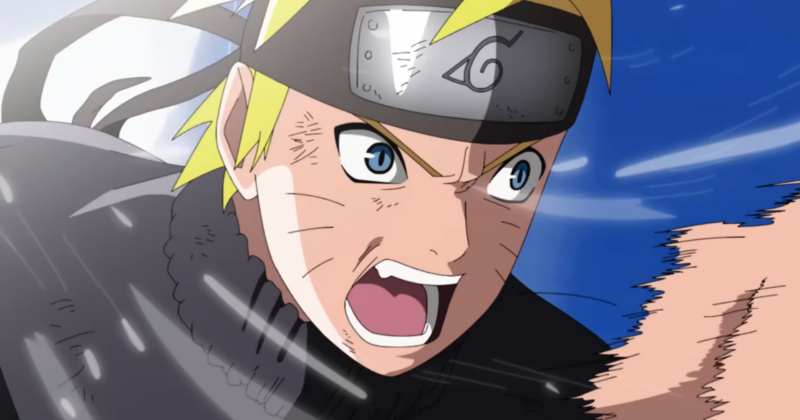
Boruto: Two Blue Vortex Unveils a Rasengan That Redefines Ninja Defense

Revolutionizing Jutsu: The Arrival of the Wind Style: Rasen Barricade in Boruto
Few franchises have escalated their power levels and narrative stakes as boldly as Naruto. Throughout the years, it has transformed simple village skirmishes into earth-shaking ninja showdowns, creating some of the most iconic movesets in anime history. While Boruto, the much-anticipated sequel, has sometimes wrestled with its legacy, the arrival of a new jutsu in Boruto: Two Blue Vortex signals a seismic shift in classic ninja battles.
The New Rasengan That Changes Everything
Fans were first introduced to the Wind Style: Rasen Barricade in chapter 11 of Boruto: Two Blue Vortex. This innovative technique reinvents the legendary Rasengan’s purpose. Unlike its predecessors—varieties engineered by Minato, Naruto, and even Boruto himself—the Rasen Barricade is a defensive adaptation, debuting in the hands of Konohamaru Sarutobi. The brilliance of this new move is its ability to emerge from a standard Rasengan with a moment’s notice, fortifying the user instantly with a barrier of concentrated wind chakra.
This isn’t just any upgrade—it’s a direct and calculated counter to one of the Naruto universe’s most feared techniques, the Chidori of Lightning Release. During his confrontation with the Human Divine Tree Hidari, Konohamaru’s swift response with the Wind Style: Rasen Barricade left a lasting impression. When Hidari, leveraging Code’s notorious Claw Marks, attempted a ferocious sneak attack, Konohamaru’s new technique instantly neutralized the incoming Chidori. The jutsu absorbs and repels the lightning, propelling Konohamaru backwards but crucially leaving him unscathed—a defense more robust than the Sand Shield that once failed Gaara against Sasuke’s Chidori.
What Sets the Wind Style: Rasen Barricade Apart?
The Rasengan started as a show of pure chakra control, designed for destructive offense and versatility. But this fresh take from Konohamaru highlights a rarely explored aspect: perfect defense. The power lies in the wind nature transformation, which naturally diffuses the properties of the lightning-based Chidori. This means even attacks that have previously pierced through renowned «absolute defenses» can now be instantly averted by a highly trained Rasengan user—if they can replicate Konohamaru’s swift chakra manipulation.
Unlike broader, large-scale destructive attacks we’ve seen in past arcs, Konohamaru’s signature move is all about timing, elemental mastery, and tactical self-preservation. What’s more exciting is the much-needed spotlight on him as a ninja innovator, hinting at the potential for even more inventive jutsu in future arcs, especially given his ability to now blend multiple elemental chakra natures.
Boruto: Two Blue Vortex and the Reimagining of Classic Ninja Techniques
One of the subtle successes of Boruto: Two Blue Vortex lies in how it delves into the technical evolution of pre-existing jutsu. While Boruto’s debut of the deadly Rasengan: Uzuhiko understandably made waves, Konohamaru’s nuanced development is turning heads for entirely different reasons. It’s more than just about increasing power levels—it’s about redefining what made the classics like Rasengan and Chidori so iconic in the first place.
The newfound need for creative, situation-based jutsu has sparked lively debates among fans about where the future of the franchise is headed. As we watch longtime allies and new faces push past old limitations, it’s clear the world of shinobi continues to expand, not just with flashier battles, but with smarter, more strategic evolution of the techniques we’ve grown up admiring.