Stephen Colbert’s Ambitious New Lord of the Rings Movie: The Forgotten Chapters Brought to Life

The Lord of the Rings Universe Expands in Surprising Ways
With the announcement that Stephen Colbert is co-writing a new Lord of the Rings film, excitement and curiosity have swept through Middle-earth fandom. This new entry, titled The Lord of the Rings: Shadow of the Past, is not simply a sequel or prequel, but a nuanced reimagining that draws from J.R.R. Tolkien’s original material in a uniquely bold manner. Colbert, a well-known Tolkien aficionado, promises an approach that both honors the lore and deepens the narrative tapestry that fans cherish.
A Return to Unexplored Tales
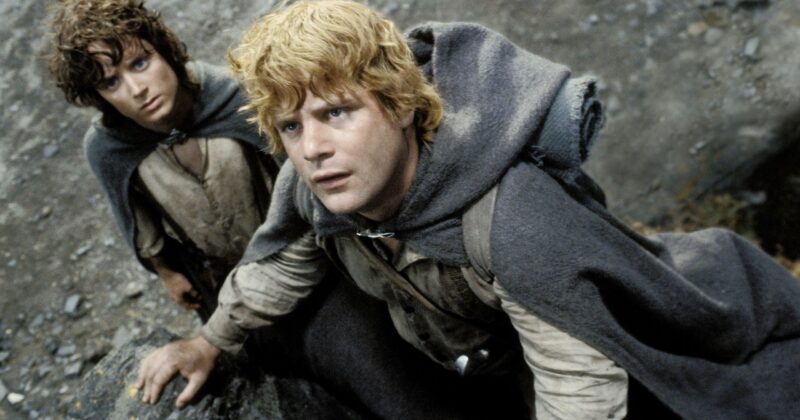
The buzz surrounding Shadow of the Past centers on its unexpectedly literary origins. Rather than inventing new post-trilogy conflicts or rebooting familiar sagas, this project dives into chapters from The Fellowship of the Ring that were omitted from the cinematic adaptation directed by Peter Jackson. These are not inconsequential fragments; they are deeply atmospheric sections—specifically chapters 3 to 8—culminating in the legendary ‘Fog on the Barrow-Downs’. Here, Frodo, Sam, Merry, and Pippin experience eerie peril and supernatural rescue, a story Tolkien fans have long considered underrepresented on screen.
Tom Bombadil Enters the Scene—At Last
Perhaps the most talked-about character in Tolkien lore to never receive a big-screen incarnation is Tom Bombadil. For years, the mysterious and whimsical figure has sparked debate about his nature and importance within Middle-earth. Shadow of the Past will finally give Bombadil his due, rescuing the hobbits from the Barrow-wights—a moment loaded with the kind of mythic resonance only Tolkien can deliver. For devotees who felt Jackson’s trilogy was missing something quintessentially magical, this decision promises a tantalizing new chapter in Middle-earth’s visual canon.
A Creative Framing Device
Despite the story’s foundation in early events from The Fellowship of the Ring, Colbert’s vision is no straightforward flashback or disconnected anthology. The film is set to introduce a clever framing device, unfolding 14 years after the defeat of Sauron and the destruction of the Ring. The lives of the surviving hobbits will provide a reflective lens, particularly with the inclusion of Samwise Gamgee’s daughter—an addition that both grounds the film in new Middle-earth chronology and bridges old and new generations.
Preserving Tolkien’s Chronology—and Legacy
A key detail for purists and newcomers alike: Colbert emphasizes that Shadow of the Past will not disrupt established Tolkien chronology. Instead, this dual-timeline approach pays homage to the author’s intricate world-building while also creating space for narrative innovation. Fans can expect an interplay between memory and present, weaving past challenges with new perspectives—much like the reflective pacing found in iconic serialized storytelling.
The Expanding Middle-earth on Screen
Shadow of the Past is just one branch in the current wave of Tolkien screen projects. Alongside the highly-anticipated third season of The Rings of Power and another film, The Lord of the Rings: The Hunt for Gollum, the franchise feels more active and ambitious than ever. It’s a sign that Middle-earth intends not just to revisit, but to reinterpret and amplify its most mysterious corners for a new generation.
What This Means for Pop Culture
The move to adapt overlooked book chapters—notably those rich in folklore and supernatural intrigue—signals a trend toward deeper adaptation in popular franchises. Where other universes like the MCU or Star Wars typically accelerate with grand new plotlines, Tolkien’s world finds fresh relevance by shining a light into the shadows of its existing mythology. Expect debates, deep dives, and plenty of fan speculation over how untold stories can shape the next era of cinematic fantasy.