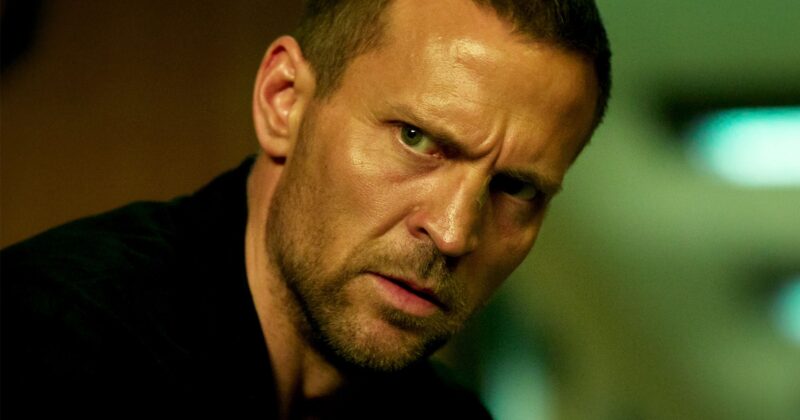
Detective Hole: Ending, Killer Reveal & The Dark Twists Explained

The Unraveling of Detective Harry Hole
Detective Harry Hole strides onto Netflix as a complex figure, grappling with alcoholism and open wounds from the past. His story kicks off with a grim twist: an impulsive, intoxicated decision that leads to a colleague’s death. This incident shadows Harry for years, feeding his drive for redemption as much as it torments him. Now, years later, Harry is sober but haunted, obsessively trying to solve the traumatic bank robbery that shattered his life. The series sets its noir tone with rain-soaked streets, psychological scars, and a growing body count as a series of murders strike his city. At every turn, Hole faces off against Detective Tom Waaler, whose own secrets threaten to unspool the entire investigation.
The Clues That Unmasked the Killer
When Lisabeth is found murdered, the obvious suspect would be her husband, Willy. Yet the show masterfully misdirects: Willy’s grief appears genuine, and the police – including Hole – initially look elsewhere. The breakthrough comes from a minute detail only a seasoned detective could connect: fennel seeds beneath Lisabeth’s fingernail, later sent in a harrowing parcel to the police. Harry remembers seeing Willy regularly chewing fennel seeds. That single observation launches a chain of deductions: the killer would only know to hide such a detail if he was intimately involved. Willy, confronted, confesses in chilling detail, explaining how he hid the crucial evidence knowing full well the police would use sniffer dogs. This is classic Nordic noir – meticulous, poetic, cruelly logical.
Willy’s Motive: A Cold Calculus of Revenge
Willy’s motivation is as emotionally charged as it is methodical. He uncovers his wife’s affair with a man named Martin, a traveling diamond dealer they once met on vacation. Out for vengeance, Willy embarks on a scheme to implicate Martin, orchestrating each murder to coincide with Martin’s appearances in town for diamond and weapon drops – deals arranged without middlemen to steer the investigation his way. Willy even manufactures false evidence: star-shaped diamonds planted at crime scenes, cassettes recorded in a fake accent, all meticulously calibrated to make Martin look guilty. If there’s a lesson here, it’s how obsession and pain can drive a person to become a master manipulator, turning real detective work into an agonizing, multi-layered puzzle.
The Corruption Underneath: Police Complicity Revealed
The deeper Harry digs, the murkier things get. After exposing Tom Waaler’s links to weapons trafficking, Harry is recruited by the Deputy Chief of Police to root out others involved in the scheme. But in a move worthy of any crime legend, it’s revealed the Deputy Chief herself is complicit, instructing her associates to pause illegal operations until the heat dies down. Her real agenda? To keep Harry close, managing the threat he poses by enveloping him in her web. The criminality in Detective Hole is never limited to the streets; it seeps, like ink, deep into the halls of power.
Post-Credits Hints: Waaler’s Dark Past
True crime fans and pop culture enthusiasts alike will recognize that post-credits scenes often plant seeds for the next big twist. Here, Harry visits Waaler’s hometown, gathering stories from a local shopkeeper about Waaler’s troubled youth and the mysterious death of his abusive father. Could this be foreshadowing for future seasons? Given the show’s attention to trauma and the cycles it creates, learning more about Waaler’s background could be the linchpin that blows the weapons ring wide open.
Power Plays and Moral Quagmires
Tom Waaler’s manipulation comes to a head when he tries to convince Harry to kill Martin, pushing the argument that it’s a moral imperative. Hole, acutely aware of Waaler’s duplicity, pressures Martin into confessing his role as a weapons runner under Waaler. Faced with exposure, Waaler attempts to eliminate Martin before he can testify against him, revealing just how far he’ll go to cover his tracks. These power dynamics recall the intricate cat-and-mouse games seen in the likes of ‘Broadchurch’ and ‘Mindhunter’, tapping into themes of loyalty, betrayal, and survival at the heart of the best crime dramas.
Why Waaler Killed Ellen and Olsen
The criminal network’s tentacles reach back into unsolved mysteries. Waaler, in an effort to keep his weapon smuggling secret, murders both Olsen (the weapons dealer) and Ellen (a colleague who tracked Olsen) when their investigation gets too close. He then frames Olsen before killing him, effectively erasing loose ends. Harry and Beate’s dogged pursuit brings these truths to the light, further blurring the moral line between law and criminality.
Harry Hole and Rakel: Love in the Shadows
Amidst all the tension, Harry’s addiction walks in tandem with his romantic entanglement with Rakel. His compulsiveness is mirrored in his dedication to both the case and to Rakel, but the darkness that drives him also dooms his relationships. The narrative treats this not as a sidebar, but as a fundamental exploration of what it costs to be brilliant – and broken – in the pursuit of justice. For fans of Scandi noir and contemporary crime series, Detective Hole on Netflix presents a deeply layered protagonist whose flaws are as integral to the plot as any clue or twist.