Disney Explores New Territory with a Stepsisters-Focused Live-Action Film
Disney is once again turning to its rich archive of iconic stories for live-action inspiration, but this time, the studio is venturing into unexpected, bolder territory. The next significant remake project won’t revisit its classic protagonists, but instead shines a spotlight on the often-overlooked stepsisters of Cinderella: Anastasia and Drizella. This move signals Disney’s appetite for exploring the complexity—sometimes even the darkness—in its most notorious characters.
A Cinderella Spinoff Like No Other
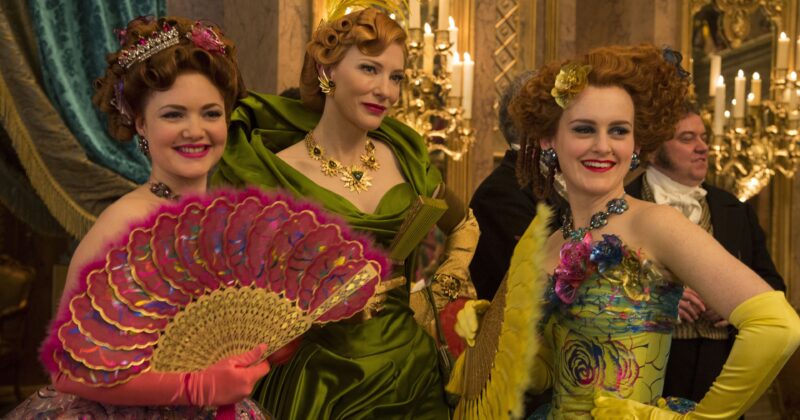
After the successful live-action adaptation of Cinderella—directed by Kenneth Branagh and starring Lily James, Cate Blanchett, and Helena Bonham Carter—Disney’s fascination with the universe of fairy tales has only grown. The upcoming film Stepsisters, helmed by Akiva Schaffer, is designed to unpack the twisted dynamics of Cinderella’s infamous family, with a focus that departs radically from traditional interpretations.
What sets this project apart isn’t just its focus, but its timing. A Norwegian film, The Ugly Stepsister, recently reimagined these characters in a psychological, body horror context that stunned critics and audiences alike. Under director Emilie Blichfeldt, viewers were given an unflinching, raw look at Elvira (the eldest stepsister), who submits to horrifying lengths—including invasive surgeries and disturbing weight-loss methods—in her quest for royal approval. The film’s willingness to delve into visceral territory pays off in emotionally resonant storytelling.
From Outcasts to Complicated Protagonists
Body horror is almost a foreign concept within the Disney lexicon, but its recent competitors have proven that confronting the grotesque can lead to empathy and humanization for even the most reviled fairy tale characters. In The Ugly Stepsister, Elvira’s journey is intimately chronicled, exposing how her obsession with external transformation damages her both psychologically and physically. The narrative even reframes Cinderella’s role—her servitude and nickname are established through darker, more nuanced origins than most are familiar with.
For Disney, the challenge lies not only in living up to the high critical bar set by films like The Ugly Stepsister—which boasts a 96% critic score—but also in convincing audiences to invest emotionally in antagonists traditionally drawn as caricatures. Success here means taking a risk: Anastasia and Drizella no longer have to be likable or easily redeemable. Instead, the script must dare to probe the roots of their cruelty, their personal vulnerabilities, and their deepest ambitions. It’s a storytelling turn reminiscent of recent cultural trends that brought new dimensions to classic villains, much in the way Maleficent reframed Sleeping Beauty’s nemesis.
What to Expect from Disney’s New Direction
While details remain tightly under wraps—particularly regarding the film’s connections, if any, to the prior live-action Cinderella—anticipation is high among both critics of the remake formula and those longing for a fresh approach. The project rests on a delicate balance: paying homage to Disney’s tradition of enchanting visuals and music, even as it promises to dive into territory far darker and more psychological than past adaptations.
The upcoming Stepsisters will have to blend the fantasy and spectacle expected of a Disney production with enough emotional depth to justify a revisit to these infamous characters. The recent popularity and praise of films that explore the villain’s point of view suggest that audiences are ready—perhaps even hungry—for storytelling that doesn’t shy away from the shadows lurking in beloved tales.