How Netflix Rescued ‘Lucifer’ and Transformed Fantasy TV for Good

The Show That Defied Death: Lucifer’s Reinvention on Netflix
Television cancellation is usually the end of the line for most series, but Lucifer carved a rare path to resurrection, morphing into a fantasy TV standout after its move to Netflix. While originally an adaptation of a DC Comics character crafted by Neil Gaiman, Sam Kieth, and Mike Dringenberg, the Netflix era of Lucifer became a benchmark for how streaming platforms can elevate genre television beyond traditional network limits.
From Fox’s Axe to Streaming Salvation
Lucifer Morningstar, played with electric charisma by Tom Ellis, is more than just the Lord of Hell — he is the icon at the center of a sharply written fantasy procedural. After stepping away from his throne in the underworld, Lucifer trades the fiery pits for the neon haze of Los Angeles, running a nightclub and quickly getting entangled with LAPD detective Chloe Decker (Lauren German). Their unlikely alliance blends supernatural intrigue with LA noir investigation, all laced with sharp banter and complex moral questions.
Despite the show’s creative evolution, Fox executives pulled the plug after three seasons, citing declining viewership. What followed was nothing short of a pop culture phenomenon: fans unleashed a passionate social media campaign, with hashtags trending globally, demanding a proper conclusion for the devilish series. Netflix listened — and saw potential for a show that fit perfectly with the platform’s appetite for fantasy dramas (think The Sandman or The Witcher).
Why Netflix’s Lucifer Is The Version Fans Remember
Once on Netflix, Lucifer enjoyed creative freedoms that broadcast networks rarely allow. Serialized storytelling took center stage as the show shed its procedural “case-of-the-week” formula, giving rise to deeper character arcs, more ambitious fantasy plots, and a shift into mature narrative territory. Suddenly, Lucifer could explore metaphysical dilemmas, trauma, and cosmic family drama with a depth which resonated with fans of both detective fiction and contemporary fantasy. Restrictions on tone, violence, and darker themes loosened, resulting in a series that felt truer to its mythic roots.
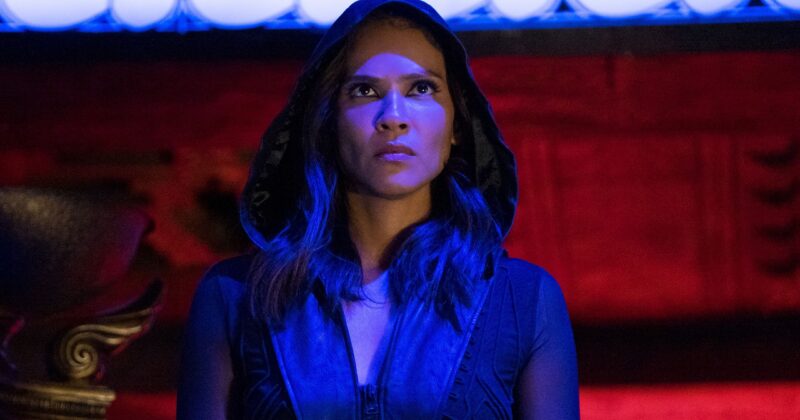
Meanwhile, the visual production values surged — special effects became more sophisticated, set designs more lavish, and the world of Lucifer glowed with the kind of polish seen in higher-budget genre TV. Supporting characters like Mazikeen (Lesley-Ann Brandt) and Amenadiel (DB Woodside) were granted more screen time and development, enriching the series with a found-family dynamic and exploring themes of redemption, loyalty, and destiny, reminiscent of the best ensemble-driven fantasy shows.
The Streaming Effect: New Era, New Impact
With more latitude for experimentation, Lucifer tackled themes like parental expectation, emotional healing, and free will — elements that resonate in today’s landscape where audiences expect more than formulas. Netflix’s algorithm-driven recommendation system also played a crucial role, helping Lucifer organically find new fans even after its network run.
From a wider perspective, Lucifer’s journey reflects a shift in entertainment power: platforms are now willing to invest in enthusiasts’ passion and extend the life cycle of beloved shows, provided there’s evidence of demand and narrative potential. The series’ wild ride from near-cancellation to a celebrated streaming staple highlights how streaming is reshaping not just what we watch, but how shows are developed, sustained, and ultimately reimagined for the modern audience.
For those who want to revisit the supernatural allure and evolving dynamics, Lucifer remains available for binge-watching, standing as an example of why streaming platforms have become the last, and sometimes the best, line of defense for clever, daring, and much-loved genre stories.