Why Dragon Ball Z Remains Legendary: The Timeless Appeal Behind Anime’s Most Iconic Series

Dragon Ball Z: The Gold Standard of Anime Evolution
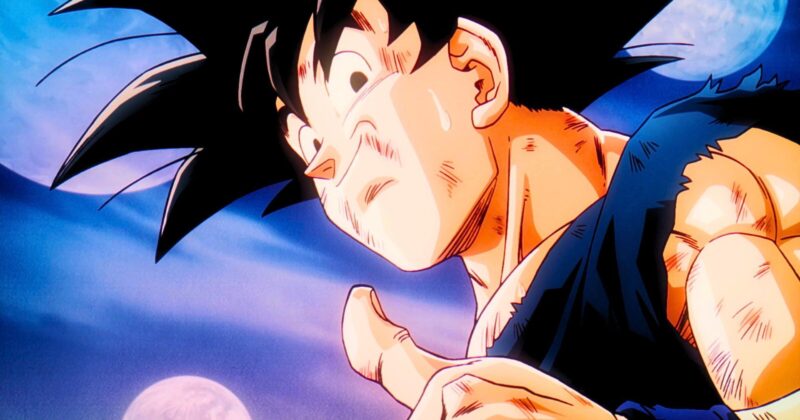
Few anime have managed to captivate audiences across multiple generations the way Dragon Ball Z has. What started as a continuation of the original Dragon Ball quickly morphed into a cultural phenomenon, laying foundations for everything from global fandom to the modern shonen formula. Today, its relevance and impact remain strikingly undiminished, serving as a benchmark for both new anime series and long-time enthusiasts rediscovering its magic thanks to the franchise’s ongoing expansion.
Martial Arts Choreography That Redefined Anime Battles
The legendary fight sequences in Dragon Ball Z are far more than just explosions and energy beams — though those are undeniably iconic. Every clash is imbued with a sense of weight and martial discipline, thanks to careful framing, tightly choreographed hand-to-hand combat, and a level of sound design that sells each blow and block. Watching Goku and Vegeta trade furious attacks in the Saiyan Saga feels less like fantasy and more like a gritty ballet. This detailed approach influenced countless anime, setting a precedent for fights that prioritize storytelling just as much as spectacle.
Rich, Evolving Character Dynamics
Dragon Ball Z’s characters drive the narrative, but it’s the relationships that keep fans invested. The enduring rivalry and mutual respect between Goku and Vegeta is now a template for anime protagonists and their rivals in series like Naruto and One Piece. The roster is packed with once-villains turning into allies, complex mentor-student relationships, and transformations—literal and emotional—that keep the world of Dragon Ball Z feeling fresh and relatable.
Interconnected Sagas and Narrative Structure
Unlike many long-form anime that meander or reset with each arc, Dragon Ball Z’s early sagas interlock to tell a sweeping story of heritage, identity, and power. From Goku’s Saiyan origins to his battle with Frieza on Namek, every arc ties into a larger narrative—questions posed early on are answered in pivotal moments, and each new threat escalates the tension. This narrative ambition has inspired modern anime to take risks with more connected and meaningful storylines.
Voice Acting That Elevated Anime Globally
The question of sub vs. dub used to divide fandoms, but Dragon Ball Z’s Western release changed the dialogue. Voice talents like Sean Schemmel (Goku) and Christopher Sabat (Vegeta, Piccolo) didn’t just fill roles—they etched themselves into pop culture. The English dub’s commitment to authenticity and energy helped propel anime onto primetime TV, setting a new bar for localization. This era of voice acting was a gateway, inspiring a wave of voice actors and contributing to high-quality dubs across the industry today.
Transformations That Shaped a Genre
Is there a more iconic moment than Goku’s first Super Saiyan transformation? The buildup, emotional stakes, and sheer visual impact of these power-ups have become a fixture in anime storytelling. Each new form isn’t just a power-up; it marks spiritual and narrative milestones—fans instantly know what part of the journey a character is in when a specific transformation shows up. These forms also revolutionized merchandising, turning every saga, power-up, and antagonist into a must-have collectible and a clear visual timeline of the series’ evolution.
Moments That Defined Internet Hype
Decades before anime clips went viral on social media, Dragon Ball Z was generating watercooler moments that would have broken Twitter. From the first earth-shattering beam struggles to the tension of a Kaio-Ken power-up or the unforgettable teamwork behind a Spirit Bomb, these moments aren’t just nostalgic—they remain thrilling benchmarks in animated storytelling. Fans, both old and new, continue to debate, rank, and rediscover these scenes, keeping the conversation alive through endless memes and highlight reels.
World-Famous Techniques and Attacks
Few fictional moves outside of pop culture giants like Star Wars or Marvel have the instant recognizability of the «Kamehameha» or the «Spirit Bomb.» These aren’t just flashy sequences; they’re loaded with narrative and emotional significance. When Goku gathers energy from all living beings or risks everything with a Kaio-Ken, every fan knows the stakes, the potential consequences, and the payoff. These iconic techniques have become part of the broader pop culture lexicon—you’ll rarely find a crowded space where a slow «Ka… me… ha… me…» won’t elicit a knowing grin or enthusiastic echo.
A Fandom and Legacy That Continues to Grow
The worldwide Dragon Ball Z fandom is now multigenerational, crossing borders, languages, and backgrounds. From schoolyard debates about the strongest Saiyan to online communities dissecting every flash of aura and every new transformation, the engagement has only deepened since Dragon Ball Super revived the universe for a new era. The show’s influence can be seen in everything from esports tournaments to fashion collaborations, and with the ongoing expansion of the franchise, its magic remains undiminished.