The Enduring Legacy of Avatar’s Sequel: A Fresh Look at The Legend of Korra
Few animated series have sparked as much passionate debate as the follow-up to Avatar: The Last Airbender. While ATLA is almost universally admired for its rich world-building and nuanced storytelling, The Legend of Korra has faced a fierce divide among fans and critics since its arrival. But is it finally time to give this ambitious sequel the credit it truly merits?
Breaking Out of the Shadow of Aang
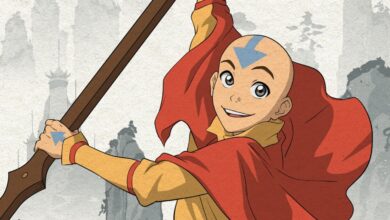
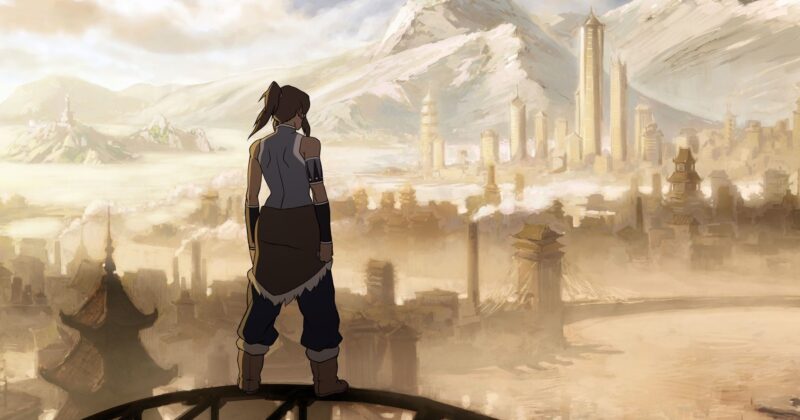
Stepping into the shoes of a universally beloved predecessor is never easy. The Legend of Korra doesn’t just inherit a world—it inherits expectations. Instead of clinging to nostalgia, the series boldly propels the Avatar universe into modernity. Republic City, with its steampunk vibes and bustling urban sprawl, stands in sharp contrast to the traditional villages and landscapes of the original. The story picks up after the passing of Aang, centering on Korra, a fierce and spirited new Avatar tasked with her own legacy.
Korra: A Protagonist Who Dares to Be Different
Korra’s journey carves a unique path. Where Aang was a reluctant hero, Korra faces her destiny head-on—with power, sometimes recklessness, but always authenticity. The series explores Korra’s struggles with spiritual disconnect, political turmoil, and personal trauma, presenting a more complex and at times vulnerable lead. This evolution was bold, and though it alienated viewers seeking a spiritual echo of Aang, it delivered a portrait of growth rare in animated television.
Embracing Mature Themes for a New Generation
The Legend of Korra doesn’t shy away from mature narratives. Issues of inequality, revolution, mental health, and the burden of legacy are woven through the storyline. Villains such as Amon, Unalaq, Zaheer, and Kuvira challenge Korra in fundamentally different ways, each representing unique ideologies rather than the clichéd evil-for-evil’s-sake antagonists of many shows. This willingness to bring complex philosophies and real-world dilemmas into the spotlight is part of what sets the series apart from its predecessor.
The Challenge of Fan Expectations and Shifting Audiences
Part of the sequel’s initially cool reception stemmed from timing and changing demographics. When The Legend of Korra debuted, the core fandom of Avatar had aged up. While the new series also attempted to mature with its audience—tackling heavier content and pushing boundaries—it remained anchored to a network oriented toward younger viewers. The disconnect between creator ambition and broadcasting constraints was evident, leading to jarring tonal shifts and controversial plot resolutions. Yet, these risks have found a more appreciative audience as the series has aged, especially within online communities now revisiting Korra without the weight of ATLA comparisons.
Worldbuilding: Innovation Without Compromise
Zipping past the medieval fantasy-Asia of Avatar, Korra’s universe blends classic elements with art-deco aesthetics and evolving technology. Bending as sport, radio broadcasts, cars, and social unrest give the world an organic sense of growth. The spirit world is reimagined; connections between bending, spirituality, and identity are continually probed. The mythology expands, sometimes controversially, but always in service of keeping the franchise fresh.
Celebrating Its Cultural Impact and Modern Resonance
Beyond its narrative, The Legend of Korra has achieved something rare for a western animated series: it’s sparked global conversations about representation. The series is often lauded for its depiction of diverse cultures and its groundbreaking approach to LGBTQ+ relationships in animation, exemplified by Korra and Asami’s romance—handled with delicacy, and without precedent in its time. The show’s willingness to challenge norms paved the way for greater diversity in subsequent animated works, inspiring not only fans, but creators across the industry.
A Series Worthy of Reassessment
As viewers revisit The Legend of Korra today, with a wider perspective and less direct comparison, its strengths have become undeniable. Imperfect? Certainly. But in taking risks and telling new stories, it has created a legacy all its own—compelling, poignant, and resolutely modern. Anyone curious about the evolution of animated storytelling, or searching for a series that questions as much as it entertains, will find Korra an unsung triumph in the annals of TV fantasy.