Zelda and the Switch 2: Why Hyrule Warriors’ Latest Entry Divides the Community

The Legend of Zelda: A Franchise That Defines Generations
The Legend of Zelda remains one of gaming’s enduring icons. Since its original release, this Nintendo saga has continually evolved—reinventing itself with each console generation and drawing in fresh fans through mainline adventures, spin-offs, remasters, and experimental crossovers. With the arrival of the Nintendo Switch 2, all eyes turned toward the latest title to bear the storied name: Hyrule Warriors: Age of Imprisonment.
Hyrule Warriors: Age of Imprisonment – More Than Just a Crossover
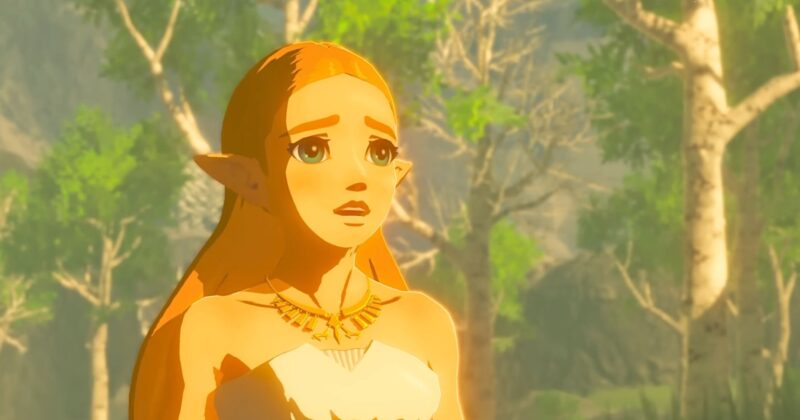
Developed by Koei Tecmo, Hyrule Warriors: Age of Imprisonment takes a dramatically different approach to Zelda storytelling. Rather than the traditional puzzle-solving and exploration, this entry leans into the frenetic, action-heavy hack-and-slash formula made famous by the Dynasty Warriors franchise. The result is a high-energy mix of familiar faces—from Princess Zelda to Link and a cadre of series legends—joining forces during the cataclysmic Imprisoning War, a pivotal event recently explored in Tears of the Kingdom.
The premise alone ignited anticipation among long-term Zelda enthusiasts and newcomers attracted by the Switch 2’s power. Expectations soared, but the community’s verdict has been anything but unanimous.
Fans at Odds: What Works, What Doesn’t
On paper, Hyrule Warriors: Age of Imprisonment checks the boxes of ambitious crossover. The visuals push the Switch 2 hardware, character animations feel punchy, and each campaign map brims with the chaos and lore references fans crave. Yet, user feedback—especially on dedicated Zelda forums and Reddit—reflects a compelling split.
While the title boasts a respectable 79 Metascore and an 8.5 User Score on Metacritic, the discussion often returns to a handful of sticking points:
- Character Roster: Some describe it as ‘pathetic’ compared to prior Warriors or Zelda games, missing fan-favorite heroes and villains who could have deepened replayability.
- Gameplay Pacing: For those used to the strategic depth of mainline Zelda, the repetitive hack-and-slash structure feels ‘slow’ and ‘tedious’ in stretches, particularly during drawn-out battlefield segments.
- Setting and Narrative: The Imprisoning War setting, while essential to recent Zelda continuity, left an impression as ‘uninspired’ to critics who hoped for bolder story or world-building moves post-Tears of the Kingdom.
That said, even its critics admit that there is fun to be had, particularly in local co-op play and during its grander set pieces. It’s the tension between these highs and the perceived missed opportunities that has defined its reception.
Looking Ahead: Mainline Zelda’s Mysterious Future
Tantalizingly, Nintendo has yet to announce the next mainline Legend of Zelda installment for the Switch 2 or future platforms. The unprecedented success of Breath of the Wild and Tears of the Kingdom has set a towering bar, with speculation swirling around whether the next entry will extend their world or strike out in a new direction.
This year marks the 40th anniversary of the franchise—a milestone that Nintendo could well honor with a surprise reveal. The pressure is on to deliver a game that both salutes Zelda’s history and harnesses what’s possible with new technology. Given the mixed response to Hyrule Warriors: Age of Imprisonment, there is a palpable hunger in the community for a mainline adventure that redefines the genre once again.
As the series celebrates four decades, it remains at the heart of gaming culture debates—not just about nostalgia, but about innovation, fandom, and the unique blend of mechanics and mythology that only Zelda can deliver.