The Real Reason Tom Hardy’s Ghost Twist Was Removed from the Peaky Blinders Movie

The Hidden Layers of Alfie Solomons: When a Ghost Twist Almost Changed Everything
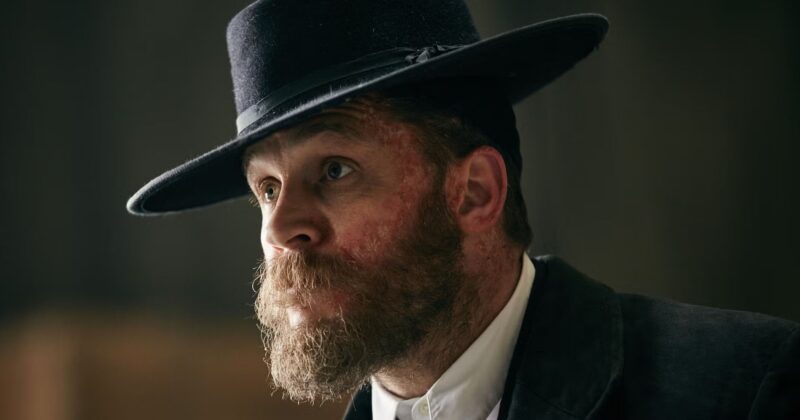
When Peaky Blinders: The Immortal Man hit Netflix, anticipation hit the roof. Tom Hardy’s character, Alfie Solomons, has long stood out as a fan favorite – equal parts enigmatic, menacing, and impossibly charismatic. Rumors swirled before release, with one story element almost taking the tale into supernatural territory: the idea that Alfie Solomons had been a ghost all along. But this twist, despite its boldness, never made it to the final cut – and that decision shaped the film’s resonance and success.
The Allure of the Ghost: A Near Miss for Alfie Solomons
Alfie has danced on the line between legend and reality since his introduction. Tom Hardy’s performance imbued the character with a mythic gravitas, making every scene he occupied feel charged with unpredictability. After being seemingly killed in the face-off with Tommy Shelby in season 4, Alfie’s return only deepened his larger-than-life mystique. The scrapped twist would have revealed that fans weren’t wrong to question reality: in fact, Alfie would have been dead, a ghost lingering in Tommy’s world all along, echoing the kind of reality-shifting narrative seen in movies like The Sixth Sense.
Why the Movie Needed Focus, Not Complication
Supernatural motifs have always found a home in Peaky Blinders, with visions, premonitions, and haunted memories shaping Tommy Shelby’s journey. Yet, the value of this film lies in its unsparing focus on Tommy and his legacy. A major twist centering Alfie would have risked unbalancing the entire story: instead of grounding the movie in Tommy’s struggle, it would have shifted the spotlight and over-explained a character who thrives on mystery. The show’s heart has always been Tommy’s trauma and choices, not answers to every riddle.
The Pacing Dilemma: Keeping the Story Sharp
The Immortal Man moves with an intentional, urgent pace – every scene tightens the grip on Tommy’s fate, consciously wrapping up years of storytelling while gesturing toward a potential future. Inserting a late-stage ghost reveal for Alfie would have forced the screenplay to pause for explanation, disrupting the flow that has made the film such a juggernaut on Netflix’s charts. With fans clamoring for closure, the creative team needed to prioritize clarity and emotional catharsis over cleverness.
Myth, Mystery, and Modern Television Storytelling
Maintaining Alfie’s flesh-and-blood presence in the film also serves a deeper narrative purpose. Today’s sprawling TV universes thrive on ambiguity and character-driven storytelling. Over-explaining Alfie would rob him of what makes him essential to the Peaky Blinders tapestry: he remains a symbol of the unknowable, both for Tommy and for us. The film thus delivers a character study, not a supernatural spectacle, preserving both the intensity of Cillian Murphy’s performance and Hardy’s uncanny energy.
What This Choice Means for the Peaky Blinders Universe
By holding back the ghost twist, The Immortal Man centers Tommy’s relationship with his son and his reckoning with the life he’s built – a fitting culmination for a protagonist who has always chased (and been chased by) the shadows of his past. Meanwhile, Hardy’s Alfie remains unpredictable, perhaps still hiding secrets but more valuable for his enduring ambiguity. As the franchise continues to expand, this narrative restraint opens doors for richer, more inventive storytelling down the road, serving both the show’s history and its evolving legacy in contemporary pop culture.