Why Thunderbolts’ Original Ending Was Changed—and How DC’s The Suicide Squad Altered the MCU’s Path
The Thunderbolts: Marvel’s Unlikely Team Faces a Narrative Crossroads
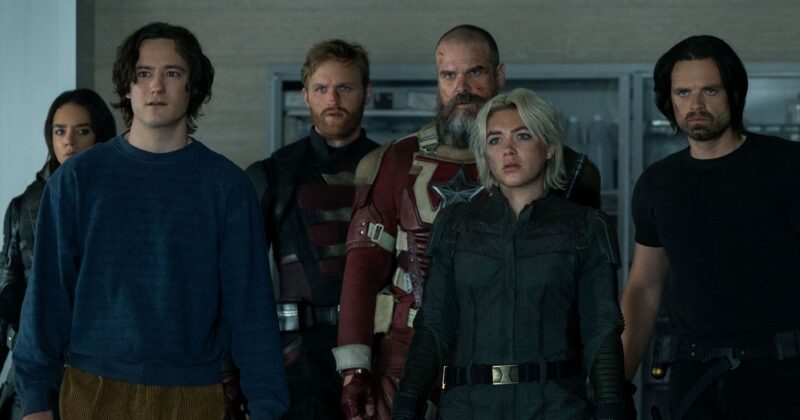
The Marvel Cinematic Universe’s introduction of the Thunderbolts was set to shake up the superhero team formula. Instead of following the tested Avengers blueprint, Marvel assembled characters with troubled pasts, questionable alliances, and baggage heavy with loss and redemption. Fans saw faces like Yelena Belova and Bucky Barnes joined by others who brought their own layers of moral complexity, hinting at a darker, grittier vision for the future of Marvel ensembles.
The Ending That Almost Was: Marvel’s Gamble With Darkness
Initial plans for Thunderbolts pointed in a bold, controversial direction: the complete elimination of the entire team by the movie’s finale. This would have marked one of the MCU’s most definitive departures from its usually hopeful tone. The move was confirmed by Wyatt Russell, who portrays John Walker, during a Q&A session at MegaCon Orlando. According to Russell, Marvel’s creative leads seriously considered ending the Thunderbolts saga by wiping out every major player on the roster. For fans invested in the narrative arcs of Yelena and Bucky—each struggling with their own redemption and grief—this concept would have come as a narrative earthquake.
Why Marvel Pulled the Plug on Its Original Plan
The decision to change direction was not made lightly. Several factors influenced this pivot: the risk of derailing ongoing character development, disrupting broader MCU plans, and—crucially—creative overlap with a rival franchise.
The release of DC’s The Suicide Squad brought this overlap into sharp focus. That film, with its unapologetic body count and willingness to kill off beloved mainstays, set a precedent for unpredictability in ensemble superhero movies. Both movies explored squads of antiheroes on missions bound to end badly, blending redemption arcs with the threat—or reality—of sudden death. Early fan speculation was quick to draw parallels, and the risk of Thunderbolts being dismissed as a «Marvel copycat» weighed heavily on creative decisions.
The Suicide Squad Effect: When Superhero Teams Die
In James Gunn’s The Suicide Squad, fan favorites and new faces fell with alarming regularity. Characters like Captain Boomerang met abrupt ends, and the film’s tonal whiplash—moving between humor, horror, and genuine tragedy—was part of its defining style. While The Suicide Squad didn’t end with a total massacre, the sheer volume of deaths sent a message: here, no one is safe, and finality isn’t just a threat, it’s a promise.
Had Thunderbolts mirrored this tone exactly, it would have undermined the uniqueness of Marvel’s own approach. Without a hopeful core, the MCU risks alienating audiences who’ve come to expect some balance between risk and reward—even for characters whose morality is more ambiguous.
Narrative Impact: Protecting the Future of the MCU
Changing the Thunderbolts’ ending not only avoided uncomfortable comparisons with DC’s boldness, it preserved vital narrative options. Fans are already anxiously theorizing about the future of characters like Bucky Barnes and Yelena Belova, especially with upcoming high-stakes crossovers looming on the horizon. Killing off the entire Thunderbolts squad would have foreclosed emotional arcs tied to grief, recovery, and the possibility of redemption—arcs that have become especially resonant for MCU audiences invested in character-driven storytelling.
By opting for a more hopeful outcome—one where most of the team survives and wrestles with their demons—Marvel invested in a future where these antiheroic figures could become key players in broader MCU events. In today’s cinematic landscape, where interconnected storytelling is king, burning bridges often means sacrificing far more than shock value; it means losing out on long-term character evolution, fan loyalty, and surprise comebacks that have fueled the MCU’s dominance.
What This Means for Upcoming Marvel Stories
While Taskmaster’s quick exit did add a dose of unpredictability, it’s the continued relevance of key figures like Yelena and Bucky that will likely pay dividends for Marvel moving forward. With global audiences eagerly awaiting the next wave of MCU films—including possible tie-ins to Avengers: Secret Wars and beyond—the decision not to slaughter the Thunderbolts team ensures a reservoir of plot potential that can keep fans speculating, theorizing, and, most importantly, returning to theaters.
For those who crave behind-the-scenes insights and deeper context into how Marvel weighs such impactful creative decisions, following official newsletters and checking out convention Q&As is essential. These windows give fans an evolving look at how superhero storytelling is shaped and reshaped by both internal vision and external competition.